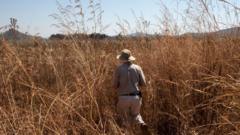
The compensation covers the first batch of 378 out of 740 approved farms, which corresponds to only 1% of the total funding set aside for these payments. According to Finance Minister Mthuli Ncube, this initiative is part of Zimbabwe's strategy to reset its economy and clear its financial arrears. However, the government has strictly limited the payouts to "improvements" made to the land, completely excluding compensation for the land itself, based on an assertion that the land was unjustly acquired during colonial times.
Despite this initial payout, many former farmers have not accepted the compensation, as they retain their title deeds. Harry Orphanides, a representative for the farmers, noted that more individuals are now considering the prospect of accepting compensation.
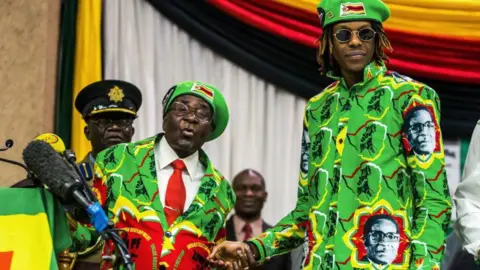
The backdrop to this development lies in the land reform policies initiated in 2000 when then-President Robert Mugabe supported the forced eviction of farmers, which severely impacted Zimbabwe's economy and strained international relations. Since then, efforts have been made by President Emmerson Mnangagwa to rebuild ties with the West while navigating the complex legacy of land reform; he has emphasized that these reforms are irreversible.
Analysts view these compensation payments as a crucial step toward normalizing relations with Western nations and potentially alleviating Zimbabwe's prolonged isolation from the global financial community. This decision could signify a pivotal shift in the country's economic landscape, which has been beleaguered by debt and international sanctions for years.
Despite this initial payout, many former farmers have not accepted the compensation, as they retain their title deeds. Harry Orphanides, a representative for the farmers, noted that more individuals are now considering the prospect of accepting compensation.
The backdrop to this development lies in the land reform policies initiated in 2000 when then-President Robert Mugabe supported the forced eviction of farmers, which severely impacted Zimbabwe's economy and strained international relations. Since then, efforts have been made by President Emmerson Mnangagwa to rebuild ties with the West while navigating the complex legacy of land reform; he has emphasized that these reforms are irreversible.
Analysts view these compensation payments as a crucial step toward normalizing relations with Western nations and potentially alleviating Zimbabwe's prolonged isolation from the global financial community. This decision could signify a pivotal shift in the country's economic landscape, which has been beleaguered by debt and international sanctions for years.