In brief
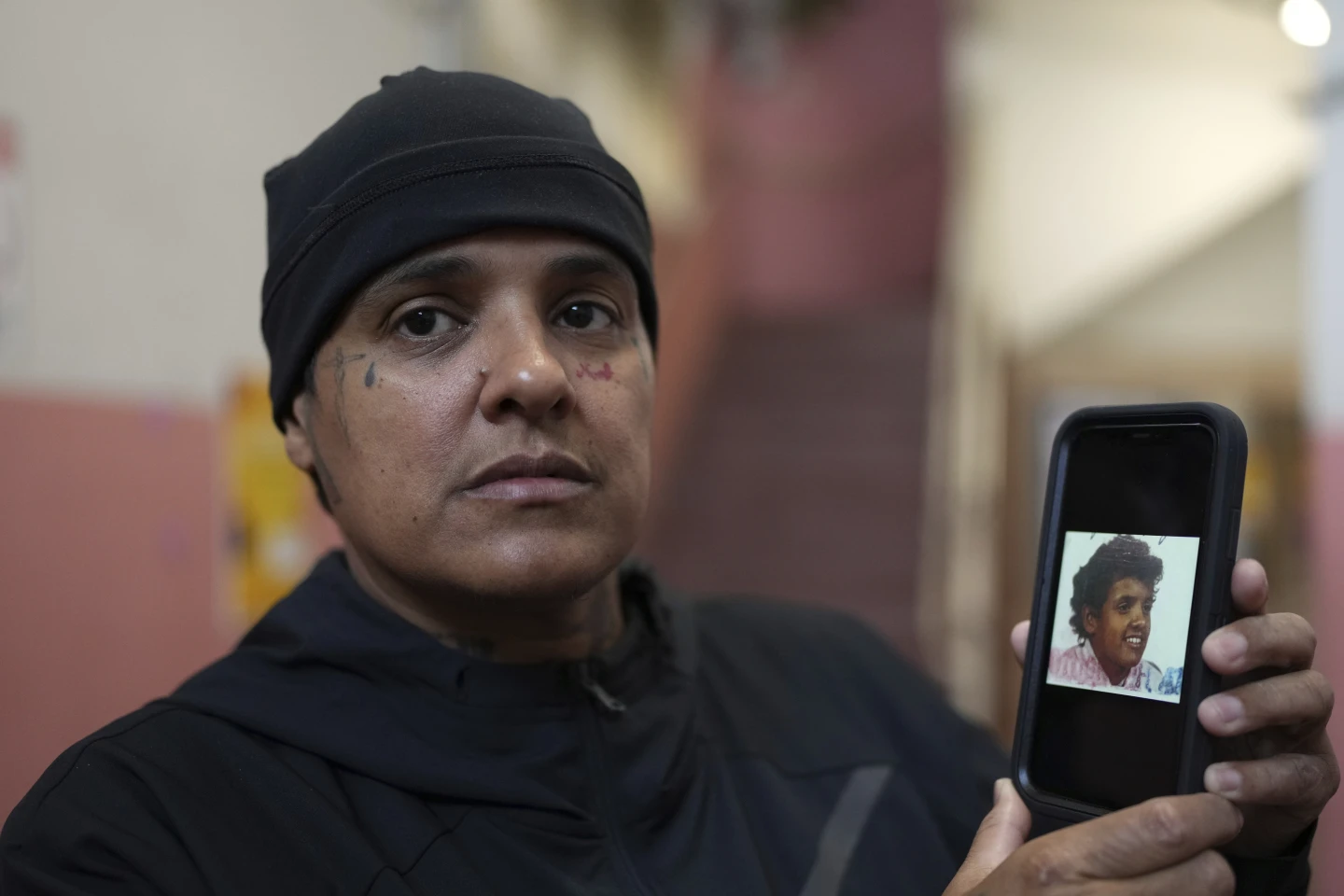
Maria Pires was adopted from Brazil to an abusive home in America, where she endured years of torture before being incarcerated. After serving her time, she sought to build a new life but was ultimately deported back to Brazil under stringent immigration regulations. Her story highlights the struggles faced by those caught in the crosshairs of the immigration system, as she grapples with the scars of her past and the challenge of starting anew in her homeland.
Maria Pires listened to the soothing whispers of freedom and hope as a child at the Sao Paulo orphanage, only to find herself falling into a nightmare after adoption. At 11, she arrived in the suburbs of Baltimore, dreaming of a better life.
Tragically, her adoptive father, Floyd Sykes III, turned her dreams into a prolonged trauma, subjecting her to unimaginable abuse. Nearly three years later, a breakthrough came when authorities arrested Sykes, placing Maria into foster care. Yet, her troubles were far from over.
As Pires transitioned into adulthood, her path was laden with violence and crime, leading to multiple incarcerations and a grim discovery: she was never formally made a U.S. citizen. This revelation marked a turning point in her life, especially once Trump’s administration tightened immigration laws, making her an enforcement target.
After faithfully checking in with Immigration and Customs Enforcement (ICE) for years, she was detained during a routine check-in, sparking a rapid deportation process back to Brazil—the only country she could scarcely remember.
Now, in a shelter in Brazil, Maria struggles to rebuild her life from scratch. With limited knowledge of Portuguese and no clear support network, she faces daily challenges. The scars of her past loom large, driving her to reminisce about her family and her lost identity.
“I still have that hole in my heart,” she reflects, yearning for reconnection and belonging. As she navigates this new chapter, Maria clings to the hope of one day returning to America, determined to pave her path forward despite the complexities of her immigration status.
Through her story, Maria embodies resilience, her strength illuminating the struggles of many who face similar journeys in their quest for identity and safety.