In brief
On election day, the Israeli military shut all West Bank land crossings and prohibited Palestinian workers from accessing settlements, a move linked to a recent spike in attacks that left soldiers wounded. The decision coincides with the demolition of homes in Hebron and the displacement of roughly 2,000 residents, according to Defence Minister Israel Katz. The clamp‑down follows the killing of two Israeli soldiers by Palestinian gunmen at a checkpoint, prompting a broader security operation that has drawn criticism as collective punishment. Meanwhile, anti‑government protests in Tel Aviv and calls for accountability highlight the tense political landscape as voters head to the polls.
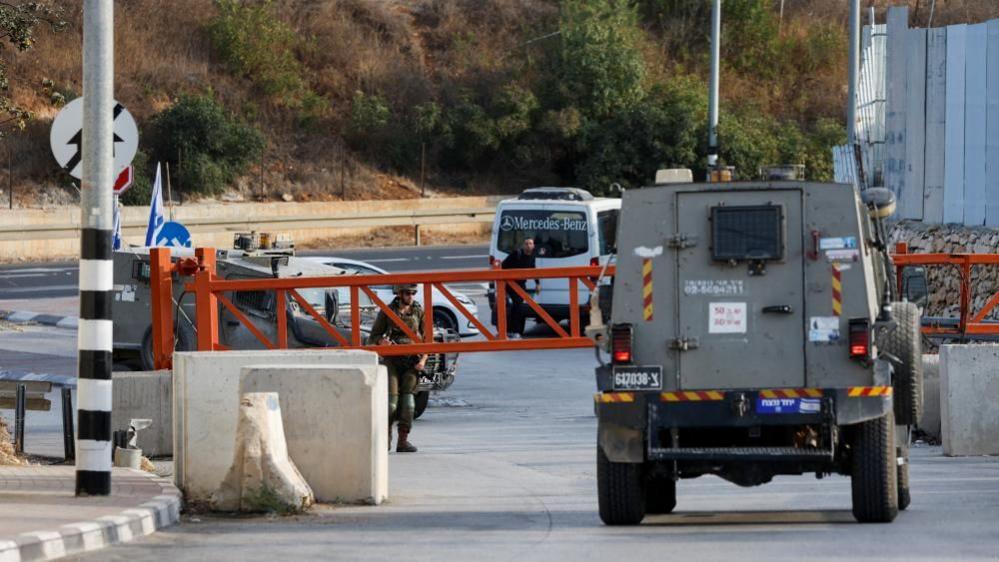
All West Bank land crossings will be closed on the election day in Israel, and Palestinian workers will be barred from entering settlements.
The Israeli Defence Forces declared a ban on the entry and exit of Palestinian workers in Judea, Samaria and the Jordan Valley, including industrial zones, and ordered the closure of every land crossing on Tuesday. The decree came after a violation that left two Israeli soldiers dead and three wounded at a West Bank checkpoint.
In the days leading up to the ban, the military demolished homes in Hebron, displacing about 2,000 residents, according to Defence Minister Israel Katz. Video footage shows a whole street flattened and thousands uprooted from their homes.
The crackdown follows the Hamas‑led attack of 7 October 2023, after which the flow of Palestinian workers into Israel was sharply reduced. Before the attack, more than 100,000 workers crossed into Israel daily; only a small fraction have regained permits.
Hebron Mayor Youssef al‑Jaabari blamed the operation on election politics, claiming Netanyahu and his officials were targeting right‑wing voters and settlers. He said the violence was being exploited to influence the vote.
In Tel Aviv, thousands gathered for a large anti‑government protest organized by the October Council. The group, founded by families of victims from the 7 October attacks, demanded accountability and a state commission of inquiry.
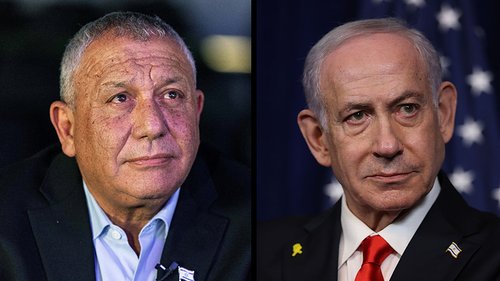
The protest saw participation from leaders of the four main opposition parties, including former military chief Gadi Eisenkot, who is a close contender for the premiership.
The situation highlights the fragile balance in the region as Israel heads to a contested election that could reshape policy toward Palestinian territories.