
In brief
Lebanon’s Health Ministry has recorded 8,956 deaths and 30,664 injuries attributed to Israeli military operations that began in October 2023. Between March 2 and October 30, 2026, 4,389 people were killed and 12,428 wounded, according to the ministry’s latest figures. In September, a framework agreement was signed under U.S. mediation, sparking debate over its legal authority and lack of a defined Israeli withdrawal timetable.
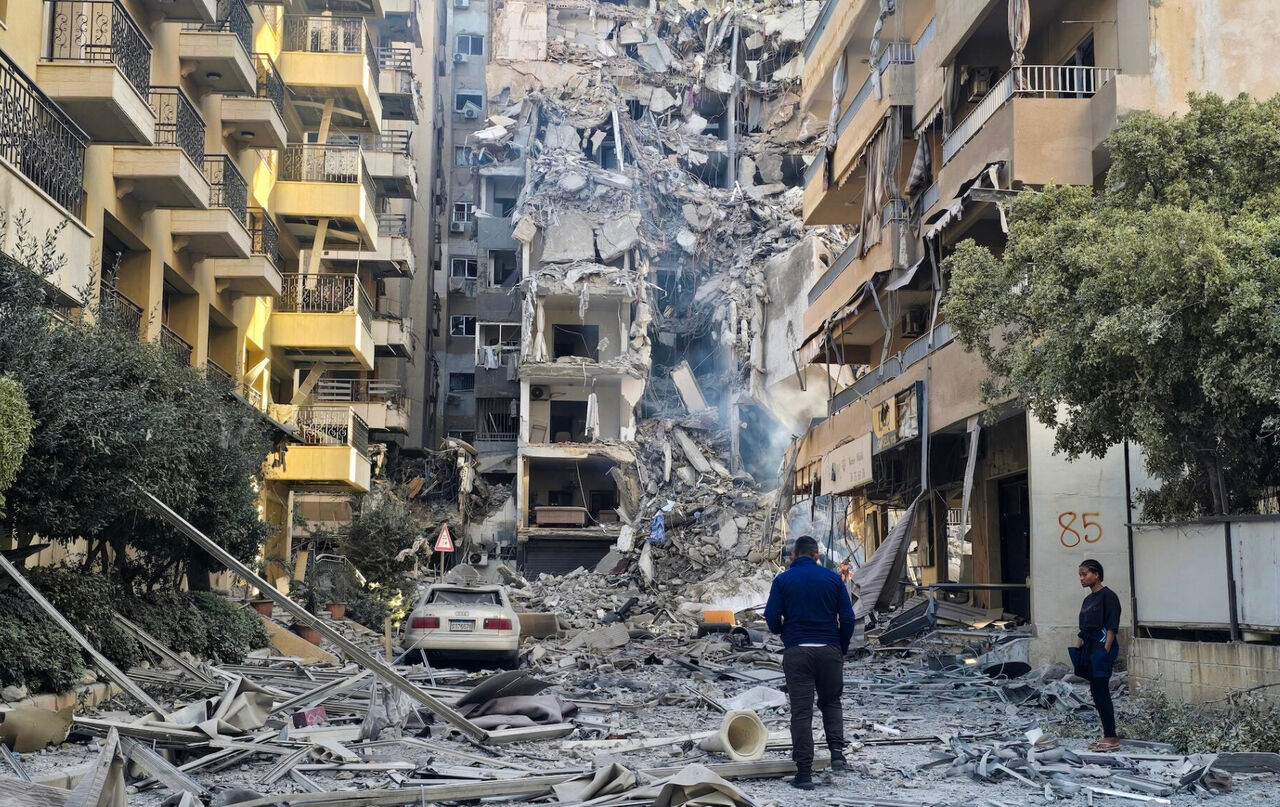
Lebanon’s Health Ministry announced on October 31, 2026, that 8,956 civilians have died and 30,664 have been injured in Israeli military operations that began in October 2023, according to a report released by the ministry as cited by IRNA. The figures represent the culmination of a conflict that escalated when Israel launched a large‑scale offensive against Lebanon on March 2, 2026, displacing more than one million residents.
Between March 2 and October 30, 2026, the ministry documented 4,389 fatalities and 12,428 injuries, according to the latest data. These numbers are part of the broader toll of 8,956 deaths and 30,664 injuries over the period since the October 2023 escalation.
The rising death toll underscores the severe impact on local communities, highlighting how civilian neighborhoods and essential infrastructure have been repeatedly targeted, leading to extensive displacement and humanitarian strain on Lebanon’s health system.
Framework Agreement and Legal Uncertainty
In September 2026, Lebanon and Israel signed a framework agreement under U.S. mediation after several rounds of direct negotiations in Washington. The agreement aimed to terminate hostilities between Israel and Hezbollah, the militant group based in southern Lebanon.
While the signing was perceived by some as a step toward ending the conflict, it faced criticism for its unclear legal status and for omitting a concrete timetable for the withdrawal of Israeli forces. Advocates argue that without a clear withdrawal schedule, the agreement does not guarantee a cessation of hostilities or the restoration of sovereignty in occupied areas.
The absence of a withdrawal timetable raises questions about public accountability and the enforcement of international law. Human rights groups, as well as ordinary citizens in the contested regions, have expressed concern that the agreement might lack the necessary mechanisms for monitoring compliance and for compensating victims.
Implications for Civil Governance and Public Accountability
The statistics released by the health ministry and the nature of the agreement highlight critical civic stakes. The large number of casualties and injuries points to substantial erosion of public trust in refugee and relocation policies that have been implemented by local authorities to secure displaced populations.
Judicial bodies in Lebanon may face pressure to address the humanitarian violations reported through the ministry’s casualty data. The legal ambiguity of the framework agreement could necessitate court proceedings or international arbitration to clarify the responsibilities of each party.
For elected officials and local governments, the ongoing conflict and unresolved withdrawal terms amplify the urgency of formulating transparent, evidence‑based policy responses and of engaging with international legal frameworks to protect civil populations. Furthermore, the lack of a publicly negotiated withdrawal schedule threatens to prolong the state of emergency that asserts power over civilian life in affected areas.
Finally, the mortality figures reveal how large institutions, such as the Ministry of Health, play a pivotal role in documenting and reporting civilian harm—an essential resource for informing both domestic policy deliberations and international humanitarian advocacy.
