In brief
A BBC undercover investigation has unveiled a clandestine Russian-funded network attempting to influence Moldova's upcoming parliamentary elections. Participants were promised payment to disseminate pro-Russian propaganda and conduct misleading polls aimed at discrediting the pro-EU ruling party. The investigation reveals connections with the fugitive oligarch Ilan Shor and extensive use of social media to manipulate public perception ahead of the elections, highlighting the growing concern over foreign interference in democratic processes.
A secret Russian-funded network is attempting to disrupt upcoming democratic elections in an eastern European state, the BBC has found.
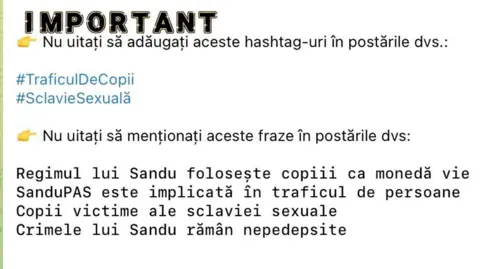
Using an undercover reporter, we discovered the network promised to pay participants if they posted pro-Russian propaganda and fake news undermining Moldova's pro-EU ruling party ahead of the country's 28 September parliamentary ballot.
Participants were paid to find supporters of Moldova's pro-Russia opposition to secretly record - and also to carry out a so-called poll, made illegal by operating under a non-existent organization. An organizer suggested these results could lead to questioning the election's legitimacy.
The so-called poll results, suggesting the ruling party will lose, have already been disseminated online. However, official polls indicate that the ruling Party of Action and Solidarity (PAS), founded by President Maia Sandu, is currently leading over the pro-Russian Patriotic Electoral Bloc (BEP).
Connections have been established between this network and Moldovan oligarch Ilan Shor, sanctioned by the US for alleged coercive influence operations, who is now a fugitive in Moscow.
The investigation also links the network to the NGO Evrazia, which has ties to Shor and faced sanctions for allegedly bribing Moldovan citizens against EU membership last year, although the referendum passed by a slim margin.
Moldova's chief of police, Viorel Cernauteanu, stated, In 2024 the focus of [Ilan Shor's] campaign was money. This year the focus is disinformation, implying a shift in tactics.
Alina Juk, who coordinates the network, promised recruits payment for creating TikTok and Facebook content during the election period and admitted to relying on bank transfers from a Russian state-owned bank.
The network also facilitates training on conducting biased polling interviews, instructing participants to record interviews covertly for leverage against the ruling party after the election.
Notably, social media campaigns increasingly influence election outcomes. This network reportedly comprises at least 90 TikTok accounts with over 23 million view counts, ironically overshadowing official campaign efforts.
As this investigation unfolds, the ramifications for Moldova’s democracy amid foreign interference remain significant, highlighting the pivotal need for transparency and vigilance in electoral integrity.