In brief
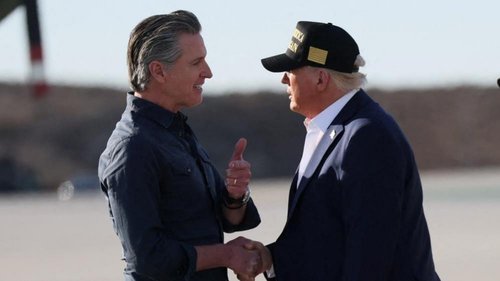
Michigan Democrats are reeling after incumbent Democrat Dan Stevens publicly endorsed Republican state senator Thomas Rogers in the upcoming Senate race. The move has split the party’s base and drawn sharp criticism from Democrats while Rogers expressed gratitude for the backing. The controversy comes ahead of the mid‑term elections, with party leaders warning that the endorsement could jeopardize Michigan’s chances of holding the seat.
In a striking announcement on November 1, 2026, Michigan’s sole Democratic candidate for the U.S. Senate, Dan Stevens, publicly endorsed Republican state senator Thomas Rogers. The endorsement came via a terse press statement in which Stevens declared,
After a long conversation with Governor Chris Smith and a review of the district’s needs, I believe Rogers offers the strongest path forward for Michigan.The statement cited Governor Smith’s praise of Rogers for his bipartisan record, though the governor’s exact words were not reproduced.
Stevens’ decision has sent the Michigan Democratic Party scrambling. Party officials, who had positioned Rogers as a symbol of the GOP’s growing influence in the state, have call the endorsement a “betrayal” and are reportedly negotiating a joint statement to discourage cross‑party endorsements. The party’s messaging team noted the endorsement risks alienating a substantial portion of the Democratic base as the election draw near.
Rogers, who has been courting independents for two years, expressed gratitude for the backing. In a statement to the press he said,
The support validates the work we’re doing to keep the Senate responsive to all Michiganders.Rogers’ office emphasized that the endorsement reflects a shared commitment to bipartisan governance and to addressing Michigan’s pressing needs.
Political analysts warn that the endorsement arrives just before the mid‑terms and could split the Democratic vote, jeopardizing the party’s chances of holding the seat. Analysts point out that the bipartisan endorsement may embolden independent voters, but the risk to Democratic mobilization remains high, given the polarization in the state’s electorate.
A related incident unfolded earlier in the month when a PBS news report noted that “Haley Stevens” appeared with Republican Mike Rogers at a Detroit church service on a Sunday. The report described the appearance as evidence that intraparty tensions boiled over days before the election, though it did not clarify whether the actors were the same individuals or different figures holding the surname Stevens.
In the same timeframe, former Mayor Abdul El‑Sayed downplayed the controversy in a brief statement, noting that he “was not interested in speaking about ‘somebody who’s not here’.” El‑Sayed’s comments were reported by the Guardian, adding another layer of scrutiny to the endorsement debate as candidates navigate post‑primary political alignment.
Beyond internal party dynamics, the endorsement raises broader institutional questions about the Senate’s composition. Michigan’s Senate seat was vacated early this year by the passing of the previous incumbent senator, and the primary has attracted high‑profile candidates from both parties. The presence of a cross‑party endorsement could influence the electorate’s perception of the candidates’ willingness to collaborate across the aisle, possibly affecting voter turnout and engagement.
Public accountability has also come under the spotlight. Party officials have vowed to enforce stricter guidelines on candidate endorsements during the primary cycle, citing the endorsement’s potential violation of party rules. Officials noted that the endorsement itself may conflict with the party’s commitment to maintain a unified front against the opposing party’s agenda.
In the coming weeks, Michigan Democrats will have to consider whether to re‑affirm or retract their support for Stevenson, and whether to mobilize the base to counter the potential fragmentation caused by the endorsement so far. Party leaders have promised a coordinated messaging effort to preserve Democratic unity as the election date approaches.
For now, the endorsement of Thomas Rogers by Dan Stevens remains a pivotal moment in Michigan’s Senate race, underscoring the complex interplay between personal political alliances, party unity, and electoral strategy.