In brief
Rancher Yvette Mannon lost 1,600 grazing acres to wildfire and then faced a $300,000 fence replacement bill when steel prices climbed due to Trump tariffs. The sudden import of 300,000 metric tons of foreign beef in August pushed domestic cattle prices down, erasing the gains of a record‑high market. Farmers across the state – from high‑profile feedlot owners to small family ranchers – report soaring diesel, fertilizer, and machinery costs, while many still vote for Trump on social and religious issues. Yet the economic strain has stirred doubts about the president’s policies, sparking a quiet political shift in a region that has long been a hard‑ball republican stronghold.
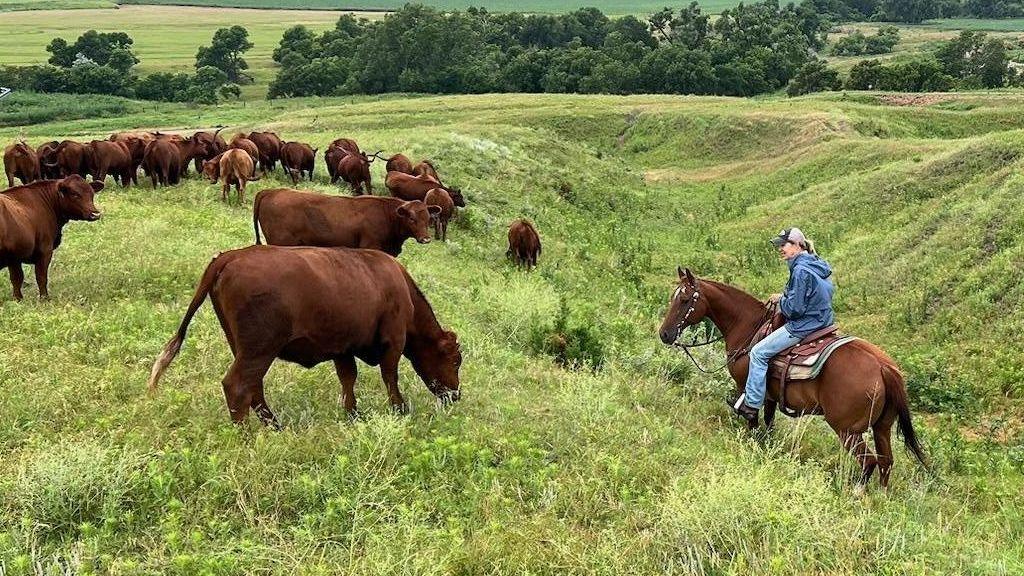
Nebraska rancher Yvette Mannon purchased her ranch in 2002 and almost sank in a single season of hardship. In April a wildfire ripped through 1,600 grazing acres and tore 13 miles of fence, forcing her to spend about $300,000 on new steel posts when tariffs pushed prices to their highest peaks. Diesel fuel was likewise up 40% after the Iran war, so delivering hay and supplies became an expensive daily chore.
Just months later, the Trump administration announced a duty‑free import of 300,000 metric tons of foreign beef for the September‑November window. The news crashed the market, cutting cattle prices sharply and erasing the gains that had built the country’s most lucrative cattle season in years.
Many farmers in Ohio‑born regions of Nebraska, including feedlot owner Jake Wolfinger, reported that the drop of fifteen dollars a hundred‑weight translates to hundreds of dollars lost per head of cattle. Wolfinger, a Trump voter, told reporters that he has seen the president’s actions as a series of blunt policies that cramp the freedom of farmers and drive up costs.
It just felt like a betrayal. Jagged capitalism meets political will. The terrain of politics has turned more treacherous, but the need to harvest remains constant.
Rancher Duane Kimball, who keeps a large Trump flag inside his barn, says the damage from the Iran war and rising diesel has forced him to draw more credit. He does not hold Trump solely accountable, but notes that higher machinery and fertilizer prices began before the current president’s tenure.
While some Nebraska farmers hold onto their view of Trump as a champion of rural America, others are reassessing their ties. A former boundary‑crossing participant in the 2016 presidential race, Jim Jenkins, has openly criticized the administration’s actions and claims that “they are not still a Trump supporter anymore,” even as the state’s Republican base remains strong.
Other voices, such as Don Batie, a 67‑year‑old corn farmer, attribute market dips to a combination of tariffs, inflation, and the steady decline of corn prices – from $7 a bushel in early 2022 to $4.29 in 2025 – and fear a future too expensive to sustain succession plans for the next generation.
Despite the headwinds, the heart of Nebraska’s agriculture continues to beat. In a flooded barn in Broken Bow, daily cattle auctions operate amid rain and applause, underscoring a resilience that has survived wildfires, high diesel bills, and a political storm. As the country heads toward the 2026 midterm elections, the outcomes for farmer‑ranchers may soon shape not only budgets, but also the very culture of rural policy in the state and across the nation.