In brief
In Port Sudan, a city already bearing the weight of war‑injured infrastructure, residents are struggling to buy water even when they can afford it. Amina Khalafallah, an informal worker who lives in the Deim Mayo neighborhood, spends roughly her entire monthly salary on water delivered by street vendors. In a city where the supply meets less than 40% of demand, such hardship threatens public health, economic stability, and basic dignity for thousands of families.
In Port Sudan, a coastal city in eastern Sudan, residents are grappling with a relentless water crisis that has turned a fundamental resource into a luxury. The war‑torn country’s three‑year conflict has sapped the economy to 199‑s‑like levels, while devastation to infrastructure and an influx of displaced people have left the city’s water supply shattered. Families such as Amina Khalafallah’s make the arduous choice between essential water and other household staples, with the cost of water matching the entire monthly wage of those who work in informal jobs.
Water Supply at a Fractured Pace
According to the African Development Bank, Port Sudan’s water supply is meeting fewer than 40 percent of the city’s demand, placing millions of children at risk of waterborne diseases and endangering public health. The collapse of the Arbaat Dam in August 2024—caused by heavy rainfall and flooding—compounded the issue. The dam had once supplied half of the coastal city’s daily water needs, and its destruction destroyed downstream villages and damaged pipelines and wells that served the neighborhood.
In the Deim Mayo neighborhood, where Khalafallah lives, there is no direct connection to a piped water network. Instead, residents rely on street vendors who charge 1,000 Sudanese pounds for 18 litres. For families that depend on these vendors, the cost is sustained and escalating, especially during the hotter months when demand for water rises and water markets become scarcer.
Personal Story of a Daily Struggle
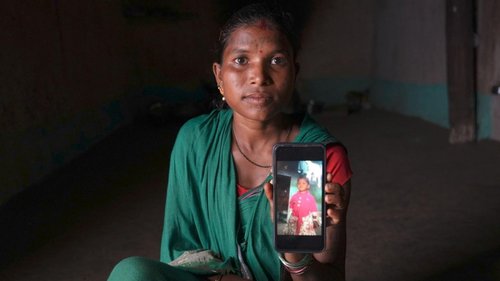
Amina Khalafallah, a cafeteria worker, says she spends 10,000 pounds each day on water for herself and her four children. That expense translates to 300,000 pounds, or roughly 30 U.S. dollars, over a typical 30‑day month—equal to her whole monthly salary. Her husband works in another state and can send money only sporadically, forcing her to borrow when prices spike.
“We make sure to set aside money for water in the summer before covering our other household needs, even if that means going without some essentials,” Khalafallah told Al Jazeera.
She added that the family’s budget is stretched thin between warm‑water plumbing, buying food, and paying for utilities. The lack of a reliable water source means that everyday tasks such as cooking and cleaning are part of a financial tightrope, leaving little room for medical care or education. The cumulative effect of this hardship is a life where water becomes a marker of survival rather than a right.
Wider Impact on Institutions and Public Health
Public institutions in Port Sudan, including hospitals and schools, are also feeling the pinch. With water supplies less than half of demand, facilities must ration resources or rely on costly alternatives. The United Nations Development Programme notes that the war’s economic fallout has driven incomes back to 1990s levels across the country, worsening the disparity for those who must purchase water on the open market.
Health officials warn that inadequate water access can intensify the spread of cholera, typhoid and other waterborne illnesses. The strain on local clinics is growing: patients with simple ailments are now confronted with the reality of having to seek water elsewhere, which delays treatment and increases the likelihood of disease complications.
Restoration Efforts and Their Challenges
Efforts to restore damaged infrastructure have been slow and uneven. While international organizations such as the African Development Bank and the United Nations Development Programme have pledged support, practical progress is stalled by the war’s residual insecurity, funding gaps and the complexity of upgrading a water system tail‑ended by a collapsed dam.
Local authorities have undertaken limited repairs to existing pipelines, yet these interventions have not been sufficient to lift supply above the 40 percent threshold. Moreover, displacement has placed additional pressure on the city’s scarce water resources, as new populations arrive in search of sanctuary and compete for already limited services. The result is a simmering public health crisis that threatens to magnify the socioeconomic gap between those who can afford to purchase water and those who cannot.
Community Resilience and the Road Ahead
In the face of these hardships, some community groups are organizing informal cooperative buying arrangements to negotiate lower rates with street vendors. Yet such efforts remain precarious, as vendors can still set prices below market levels, and any fluctuation in supply or vendor population drives prices upward again. The long‑term solution hinges on restoring the city’s infrastructure, securing a reliable dam water supply, and stabilizing the economy to enable households to move from purchasing water as a luxury to accessing it as a public utility.
For families like Khalafallah’s, the battle for water underscores a broader crisis: when a city’s infrastructure fails, the most basic human right is jeopardized. Until Port Sudan’s water network can meet even half its citizens' demand, the city’s health, economy, and dignity remain frayed. The continuing disarray serves as a cautionary illustration of how war, displacement and infrastructure decay can conspire to create an invisible but deadly crisis.