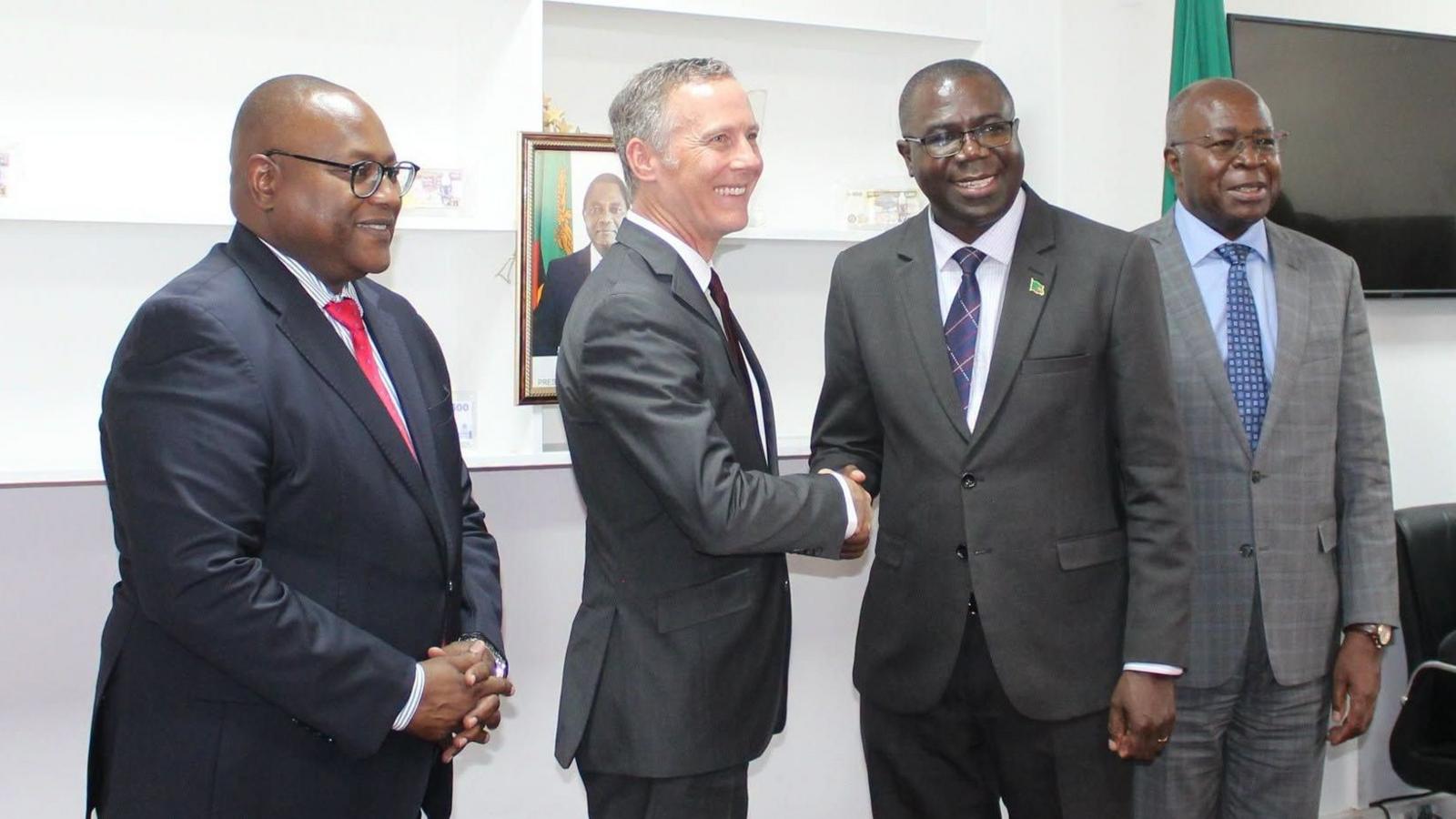
Zambia has signed a five‑year health financing agreement with the United States following a months‑long dispute over data sharing and fears that aid could be linked to mineral concessions. The memorandum of understanding, signed Thursday in Lusaka, will bring an estimated $1.5bn (£1.1bn) from the U.S., with Zambia providing incremental contributions.
Civil‑society groups, alarmed by a leaked draft that allowed non‑restricted data flows, pressed for a rewrite that protects individual patient records. Health Minister Roma Chilengi confirmed that the new text removes provisions that would have required Zambia to ship biological specimens overseas and limits data exchange to information needed for monitoring.
The agreement tackles a broader shift in U.S. aid policy, following the Trump‑era closure of the U.S. Agency for International Development (USAID). The U.S. states the new model will encourage Zambia to increase its domestic health spending while drawing down external aid over five years.
Critics had argued that the aid package was conditional on preferential access to Zambia’s copper and other critical minerals – a claim the then‑U.S. ambassador dismissed as unfounded. The deal is intended to fund HIV/AIDS, tuberculosis, malaria, maternal and child health, disease surveillance and the broader health system, including community health worker recruitment.
The U.S. has described the partnership as a move toward shared responsibility, in contrast to a donor‑recipient relationship that suffered under the USAID closure. The combined U.S.–Zambia package between 2026 and 2030 is projected at roughly $3.6bn.