In brief
As tensions mount in Germany, Scholz emphasizes citizen empowerment amid economic challenges and electoral urgency.
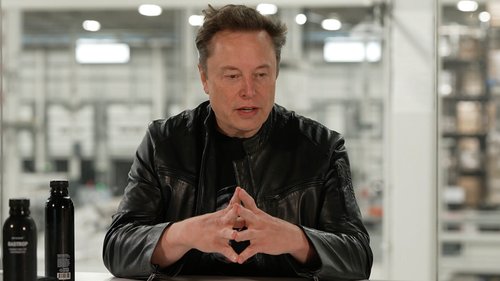
In his traditional New Year's Eve address, Chancellor Olaf Scholz emphasized the importance of Germany's elections resting in the hands of its citizens, alluding to recent foreign involvement, particularly from Elon Musk. This speech marks a critical period for Scholz as he navigates through a political landscape fraught with turmoil and economic stagnation.The chancellor's remarks were heavily laden with themes of national unity, however, they also pointed toward growing political polarization not only in Germany but across Europe as well. With a three-party coalition in shambles since last November and Scholz’s recent loss of a confidence vote, Germany's political landscape is heading toward a pivotal election set for February 23.Musk’s vocal support of the far-right Alternative for Germany (AfD), a party known for its extremist ties, has raised alarms among German lawmakers and highlights the complexities of foreign influence in national politics. Mainstream leaders are increasingly concerned about Musk’s intervention, which they deem detrimental to Germany's democratic processes.Scholz underscored the rising cost of living as a pressing concern for many citizens, and he called for solidarity and resilience within the community. As the nation gears up for the critical elections, the chancellor's statements serve as a reminder of the internal and external challenges ahead, reaffirming that the power to shape the future lies in the hands of the citizens themselves.