In brief
On 3 November 2026 Somalia condemned Israel’s move to accredit its ambassador in Somaliland, labeling the action void under international law. The Somali government demanded that Israel reverse the measure and urged other states to reject similar recognition, citing the Vienna Convention on Diplomatic Relations and risks to regional stability.
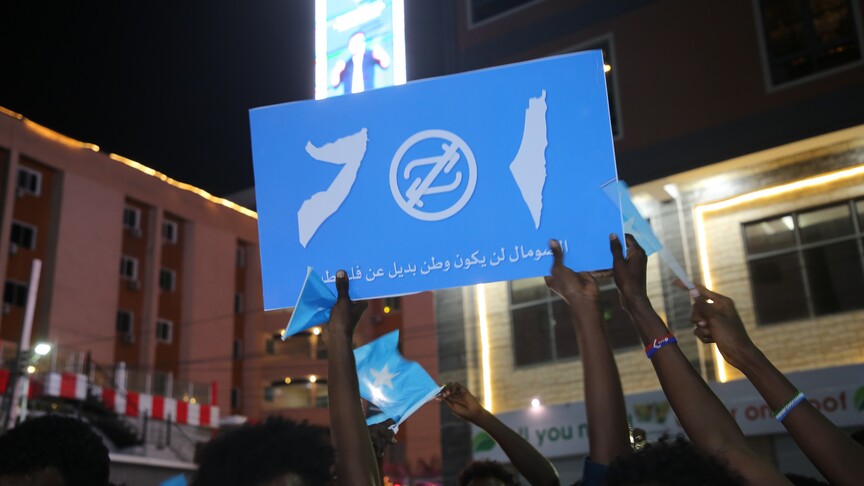
On Tuesday, 3 November 2026, Mogadishu’s foreign ministry issued a sharp condemnation of Israel’s decision to accredit its ambassador in Somaliland, the breakaway region of the Horn of Africa. The Somali government declared the move "null and void," asserting its sovereign right to control diplomatic relations within its internationally recognised borders.
The statement, released from the capital, underscored that the establishment of diplomatic ties requires the sovereign state’s consent, citing the Vienna Convention on Diplomatic Relations. It accused Israel of acting without the permission of the Federal Government of Somalia, thereby violating the nation’s sovereignty, territorial integrity, and unity.
Foreign Minister Mohamed Dhaysane underscored the legal framework, saying: the establishment of diplomatic relations and permanent diplomatic missions requires the consent of the sovereign State, as provided for in the Vienna Convention on Diplomatic Relations.
Somaliland, which declared independence in 1991, remains an integral part of Somalia according to the federal government. Mogadishu reaffirmed that Hargeisa, the region’s capital, is inseparable from the Federal Republic and has not achieved international recognition. The Somali ministry described Somaliland’s status as "not negotiable," fighting against any attempts to legitimize its autonomy.
Israel’s policy mirrored a broader push to formalise ties with the breakaway region. In December 2025, Israel had issued a recognition of Somaliland that was met with swift rebuke from the African Union, the Intergovernmental Authority on Development (IGAD), the League of Arab States and the Organisation of Islamic Cooperation. Somali officials warned that these unilateral actions compound earlier unlawful recognitions in the region.
Somalia’s Foreign Ministry said that the move was “conducted without consent of the Federal Government” and that it “constitutes a flagrant violation” of Somali law. The ministry noted that amid heightened insecurity in the Red Sea and neighbouring Gulf of Aden, any act encouraging fragmentation risks exacerbating tensions in a fragile geopolitical area that already grapples with piracy and humanitarian crises.
In line with its sovereignty claims, Somalia demanded that Israel “immediately” reverse the accreditation of its ambassador within Somaliland and called on all states and international organizations to refrain from any engagement that would confer legitimacy on the breakaway region.
On the legal front, the Somali government said it reserves the right to invoke all appropriate diplomatic, political and legal avenues under international law. This means potential court actions, diplomatic protests and appeals to international bodies such as the United Nations Security Council, where violations of state sovereignty can be heard and adjudicated.
While the international community largely rejects unrecognized statehood claims, the Somali case illustrates a broader civic stake in safeguarding national unity and legal identity. The potential ramifications of Israel’s action touch on the very fabric of the Federal Republic, as the country continues to navigate complex federal and regional governance structures, and ongoing discussions about representation and autonomy in its southern states.
Somalia’s firm stance is part of a broader wave of national responses that spring when external actors assert influence over internal borders. The move calls attention to the necessity of respecting internationally established borders, especially in regions where armed conflict and humanitarian concerns make any success in establishing semblances of stability on shaky foundations risky.
In summary, Somalia’s condemnation of the Israeli accreditation in Somaliland not only reaffirms its sovereignty and the integrity of its territorial claims but also serves as a potential warning to other states that unilateral recognition of breakaway regions may carry legal consequences and contribute to destabilisation in already volatile regions.