In brief
Following months of mounting allegations, Sri Lankan authorities have launched a data‑driven inquiry into the Motor Traffic Department’s records, involving anti‑corruption officials and tech experts combing through systems for irregularities. The investigation comes amid the recent remand of four DMT officials and parliamentary calls for accountability, although no findings or suspects have yet been announced.
On Thursday, Sri Lankan investigators started pulling data from the Department of Motor Traffic’s (DMT) computer systems as part of a probe into alleged fraud and corruption, Xinhua reported.
The operation, according to Xinhua, is being carried out by officers from the Walana Anti‑Corruption Unit and is supported by technical specialists from the University of Colombo School of Computing, the Sri Lanka Computer Emergency Readiness Team (CERT), GovTech Sri Lanka, and Sri Lanka Telecom. By combing through the department’s digital records, investigators aim to spot irregularities and any suspected fraudulent activity that is said to have spanned a long period.
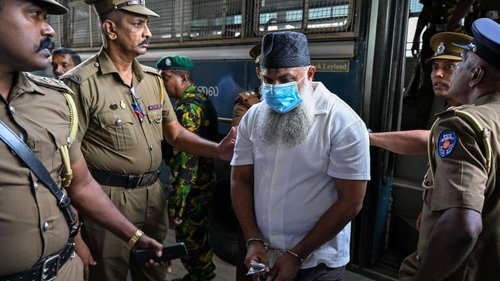
These efforts follow earlier concerns about corruption within the DMT. In March, four current and former DMT officials were remanded on charges that included fraudulent vehicle registrations and the manipulation of computerized records, a development noted by Xinhua.
In a parliamentary hearing in June, Transport Minister Bimal Rathnayake told lawmakers that findings by the Committee on Public Accounts and the Auditor General’s Department concerning alleged corruption at the DMT would be forwarded to the Attorney General’s Department and the Commission to Investigate Allegations of Bribery or Corruption, Xinhua quoted.
Despite the investigation’s broad technical scope, the authorities have not yet released the results of the data extraction or identified any suspects. The lack of public disclosure has raised questions about the speed and transparency of the investigation.
Public accountability is central to this probe, because the Motor Traffic Department oversees vehicle registration, licensing, and roadside enforcement—functions that directly affect everyday commuters, commercial transport operators, and the wider economy. Corruption in these areas can erode trust in public institutions, distort market conditions, and jeopardise road safety.
By involving a range of expertise—from anti‑corruption units to information‑technology specialists—the inquiry reflects Sri Lanka’s broader push to modernise public sector oversight. If the investigation confirms allegations, the findings could lead to criminal prosecutions, administrative reforms within the DMT, and a potential reshaping of the sector’s governance structures.
As the probe continues, stakeholders—including vehicle owners, transport companies, and civil society groups—will closely monitor whether the results meet expectations for judicial accountability and reforms in the Motor Traffic Department, thereby determining how effectively Sri Lanka’s democratic institutions can combat corruption in high‑profile public services.