In brief
Election officials announced that Democrat James Talarico won Texas' Senate seat after the November 2, 2026 vote. Talarico’s campaign highlighted corruption in the political system under Republican leader Ken Paxton. The outcome signals a notable change in Texas' political landscape.
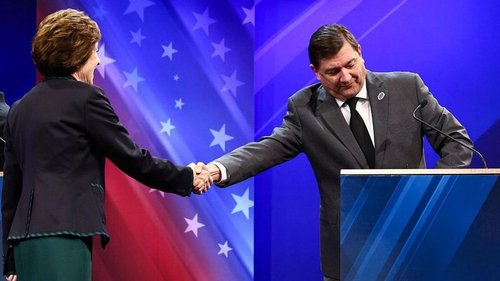
After the November 2, 2026 vote, state government officials projected Democrat James Talarico will take the Texas Senate seat, surpassing Republican contender Ken Paxton.
According to Xinhua, the projection resulted from the official vote count provided by election authorities who assessed the ballots cast on election day.
The announcement followed the standard procedure in which state agencies release the official tallies, verify the results, and release a projection once the margin, if any, can be determined with reasonable certainty. The projection indicated that Talarico had secured a higher vote total than Paxton across the entire state, thereby moving ahead in the race.
In a campaign that highlighted issues of corruption, Talarico centered his outreach on portraying Paxton as a symbol of a political system that allows billionaires to wield outsized political power while stifling transparent governance. This platform appealed to a segment of voters who have expressed concerns about the influence of money in Texas politics.
Ken Paxton, who had previously served as Texas Attorney General, was expected by many pundits to retain his seat in light of the state's longstanding Republican leanings. Talarico’s projected victory, therefore, challenged expectations about party dominance in state legislative elections.
The result may have implications for how state policy is debated in the Senate, as party control of the chamber can affect the passage of legislation related to healthcare, taxation, education, and other public matters. While the specific policy impact remains to be seen, the seat’s shift from Republican to Democrat alters the balance of votes required to advance bills within the chamber.
Voters in Texas have had historically robust engagement in statewide elections, with public attendance at polling stations and early voting procedures designed to accommodate a large electorate. The outcomes of these cycles reinforce the importance of grassroots mobilization and public accountability of elected offices.
Election officials emphasized adherence to the state’s statutory requirements for ballot counting, ensuring that the projected outcome accurately reflected the ballot counts reported from each precinct. The projected win for Talarico marks the culmination of that verification process.
While statewide headlines capture the result, the district-level results revealed patterns of support that may influence future electoral strategies. Analysts will examine the precinct-level data, should it become publicly available, to assess how various demographic groups responded to the campaign narratives presented by both candidates.
Overall, the departure from the prevailing Republican representation in the Texas Senate seat introduced new dynamics into the state’s legislative agenda. Democratic representation in that seat shifts the potential for bipartisan collaboration and introduces fresh perspectives into the upcoming legislative sessions.