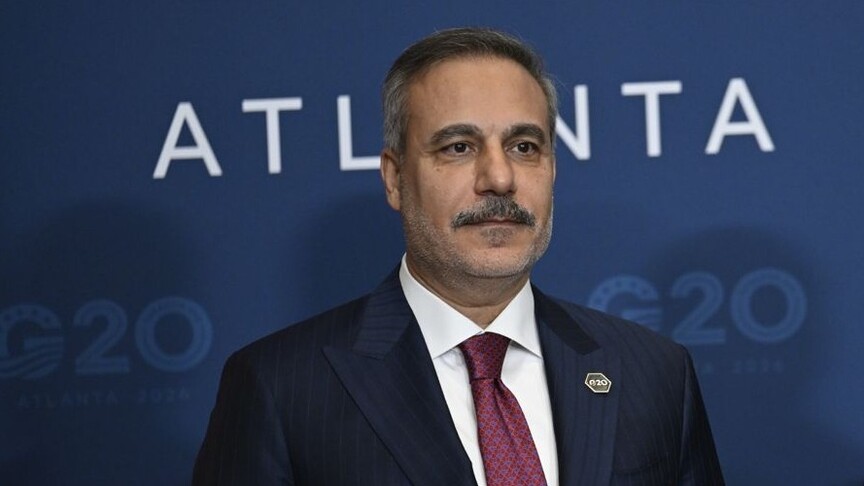
At a two‑day G20 foreign ministers’ meeting in Atlanta, South Korean Foreign Minister Cho Hyun explained Seoul’s position on a September 21 land mine blast inside the Demilitarized Zone that wounded three soldiers, and urged for renewed inter‑Korean dialogue, according to a Yonhap report released on November 1.
Cho, speaking on behalf of the Ministry of Foreign Affairs, assigned blame to North Korea for the explosion and said the incident underscored the urgent need for communication between the two Koreas to ease escalating tensions. The minister also warned that a growing military partnership between Pyongyang and Moscow posed serious implications for security on the Korean Peninsula and the broader region. He noted North Korean troops had been deployed to support Russia’s war against Ukraine, further deepening the partnership.
According to Yonhap, the mining incident occurred on the side of the Demilitarized Zone that separates the two Koreas. The blast wounded three South Korean soldiers, putting their lives and the lives of those nearby at risk. While Seoul has held North Korea responsible, Pyongyang has denied any involvement, insisting it would take military action along the border if necessary.
In a move that tightened the threads of international diplomacy, Cho called on G20 members to support Seoul’s efforts to promote peaceful coexistence and reduce tensions on the peninsula. He pointed out that inter‑Korean diplomatic engagement had never been more vital, especially given the potential for misperception and miscalculation in the region.
He also added that Korea would continue to make substantive contributions to ensuring freedom of navigation through the Strait of Hormuz, a strategic corridor that has recently faced heightened risk. With the prospect of a Yomasque-Novikov alliance, concerns about maritime security grew, highlighting the interdependence of nations in ensuring safe passage for commercial vessels.
Among the stakeholders most directly affected by these developments are the families of the wounded soldiers, the soldiers themselves, and civilians living in proximity to the DMZ. The Ministry’s emphasis on peace and negotiation seeks to avoid further loss of life and safeguard the public’s trust in institutional accountability for national defense.
In reflecting the broader civic stakes, the incident and the subsequent calls for dialogue showcase how the Korean democratic government is navigating a complex web of armed conflict, international alliances, and the expectations of its citizenry. “The military cooperation between Pyongyang and Moscow has serious implications for security on the peninsula,” Cho said, underscoring the national security implications that resonate both at home and abroad.
Government officials also signal that this crisis can influence public accountability by prompting the judiciary and parliament to press for transparent investigations into the mine blast and to assess policies that may have contributed to the risk of such incidents. Through public statements and forums such as the G20, the Korean government is attempting to keep the democratic public informed about urgent security decisions, thereby reinforcing the principle of opening state decision‑making to visible civic scrutiny.
Public trust in institutions, especially those handling security and foreign policy, may hinge on the transparency and effectiveness of Seoul’s response to this crisis. By urging for inter‑Korean talks, the Foreign Minister attempts to address potential misperceptions, reduce the risk of an expanded military engagement, and protect the lives of civilians and soldiers on both sides of the DMZ.
While the incident remains a flashpoint, the initiative taken by the Korean government on an international stage demonstrates a democratic commitment to engaging external partners and to maintaining open channels of communication with citizens. Continued vigilance by domestic institutions—such as the Ministry of National Defense, legislative bodies, and judicial oversight—is expected to follow the G20 meeting, as South Korea seeks to turn the escalation into an opportunity for dialogue and peace building.