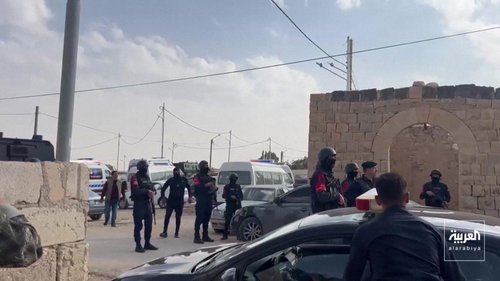
On Saturday, the Russian FSB announced that it had received information from the United States about possible terrorist preparations aimed at Moscow, setting off a security alert from the U.S. embassy in the capital. The alert warned of a potential mass‑casualty event at the Tsaritsyno Museum Reserve on the same day, and the U.S. mission said it was coordinating closely with the appropriate Russian authorities to respond to the threat.
In a statement released by the FSB, officials said the intelligence had been obtained through partner channels and that “relevant work is underway.” The agency’s spokesperson emphasized that the information was taken seriously and that measures were being taken to protect the public.
The FSB added, “Relevant work is underway.”
Before the announcement, the U.S. embassy had already issued a security alert, noting that the intelligence suggested a potential attack on Saturday at the Tsaritsyno Museum Reserve. The embassy highlighted that the U.S. government was working closely with Russian officials to address the situation, underscoring a pattern of cooperation on counter‑terrorism matters.
The U.S. embassy said, “The U.S. government was coordinating with the appropriate Russian authorities in response to the threat.”
The TSARITSYNO Museum Reserve, a popular historic site and cultural venue, is a civilian location that could be vulnerable to a mass‑casualty incident. Residents and visitors in the area are directly affected by the heightened security posture, as the potential threat adds an urgent layer of risk to everyday life in Moscow.
Public accountability is a key element of this development. The FSB is an institution charged with safeguarding national security and counter‑intelligence, and its willingness to act on transnational intelligence demonstrates its ongoing responsibility to the public. The U.S. embassy’s swift alert and coordination with Russian authorities also reflect the duty of foreign missions to safeguard their citizens and provide timely information about potential threats.
International information‑sharing like this is an example of how global security agencies cooperate to prevent terrorist attacks. By exchanging timely warnings, countries can take preventive actions that mitigate risk to life and property. The process also involves legal and procedural frameworks that guide how intelligence is shared, verified, and acted upon. While specific protocols are not publicly detailed in this report, the sequence of events shows that both sides rely on established channels to confront potential danger.
These steps also raise questions about transparency and public trust. How much information should be made public about a potential threat? How much should be kept confidential until a proper response is fully coordinated? The fact that the FSB issued a public statement indicates a commitment to keeping Russian citizens informed, yet the precise nature of the threat remains limited to a narrow announcement.
Law‑makers and policy experts often discuss the balance between national security and the public’s right to know. In this case, the brief statement by the FSB and the embassy’s alert allow residents to prepare without causing unnecessary alarm, illustrating a measured approach to information governance.
For Moscow’s citizens, the impending week carries both ordinary and extraordinary concerns. While the city’s cultural institutions and everyday routines remain in place, the possibility of a terrorist attack forces residents to become more aware of security protocols, such as reporting suspicious conduct and following official guidance. This heightened alert also impacts visitor traffic to cultural sites, which can influence local businesses and community life.
In the days that follow, both Russian and American security services are expected to continue cooperation. While the immediate threat remains largely unverified beyond the initial intelligence, public safety measures are already in motion. The cooperation between the FSB and the U.S. embassy represents an ongoing commitment to protecting the city and its inhabitants against extremist threats.