In brief
In the early hours of Friday, an armed attack on a church in Hmoud, Jordan, resulted in seven deaths and more than thirty injuries. Gunmen burst into the building, firing from a pickup as witnesses described scenes of panic and chaos. Interior Minister Mazen al‑Faraya has called the group “extremists,” and King Abdullah II vowed harsh punishment. CCTV footage captured the attackers entering and leaving the church, while hospital staff faced a surge of wounded patients amid a tense atmosphere. The incident marks the most severe act of religious violence Jordan has experienced in recent memory.
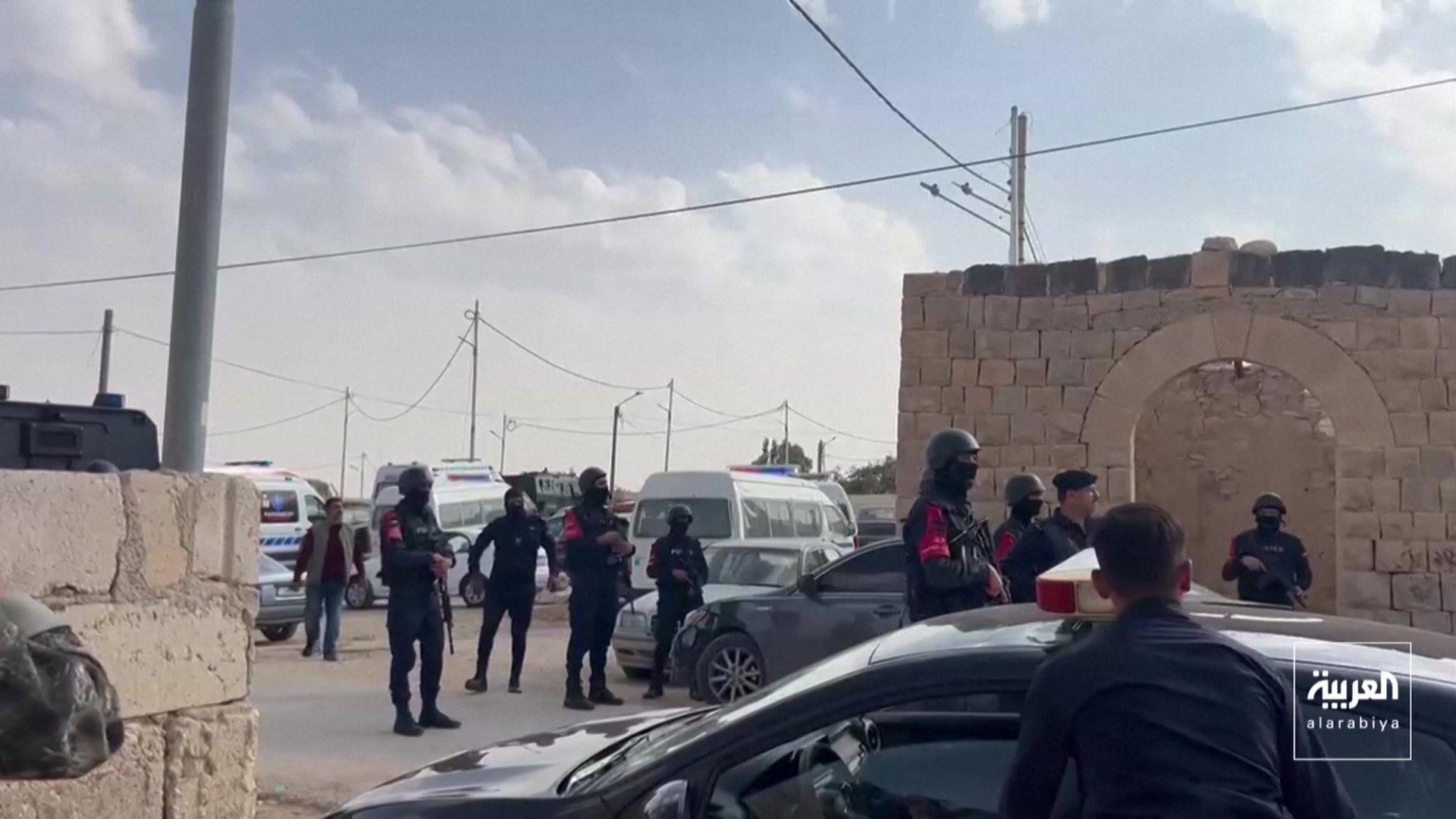
Seven people were killed and 34 injured when gunmen fired into a church during a funeral ceremony in Hmoud, in the Karak governorate of central Jordan, officials announced on Friday.
The attackers entered the building in a pickup truck, stormed the altar, and opened fire before fleeing through the front doors, shooting as they drove away. CCTV footage, confirmed by the BBC, shows three armed men approaching the church from the road, exchanging fire on the interior and then escaping with a vehicle that was later abandoned near the hospital treating the wounded.
Interior Minister Mazen al‑Faraya said the police were treating the assailants as a group of “extremists” and were intensifying efforts to locate and prosecute them. King Abdullah II demanded the perpetrators face the “harshest penalties” and described the event as “painful and horrific,” unprecedented in the Hashemite Kingdom.
Witness Khalid al‑Mdanat told BBC Arabic that the shooting lasted roughly 15 minutes, with people scrambling for cover as the gunmen fired. He recalled that the attackers left the church through the doors, shouting as they entered a pickup truck and leaving a terrible scene of bodies and debris.
At the Karey hospital, a heavy security presence guarded the entrance amid angry crowds and road closures. Residents of the governorate, many of whom belong to the Christian minority, reported distress and frustration over what they view as a failure to confront terrorism more decisively.
The attack is the first major religious‑based attack on a Christian community in Jordan in recent years, adding to a global trend of targeting places of worship. Lebanese President Joseph Aoun condemned the atrocity as a violation of “the sanctity of death and funeral mourners.”
Jordan’s armed forces and security services are now on high alert, and the local government has pledged to increase protection for religious sites across the country to prevent future tragedies.