In brief
Former Danish Prime Minister Helle Thorning-Schmidt has criticized Meta’s recent decision to remove fact-checkers, pointing out the risk it poses to marginalized communities like the LGBTQ+ population. While Meta claims the move is aimed at promoting free expression, many fear it could exacerbate hate speech on social media platforms.
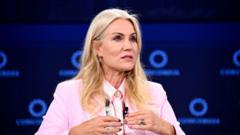
In a recent interview on BBC Radio 4's Today programme, Helle Thorning-Schmidt, co-chair of Meta's oversight board, expressed her alarm over the company's decision to eliminate third-party fact-checkers from Facebook and Instagram. This move, she contends, raises significant concerns for vulnerable minority groups. Thorning-Schmidt, the former Prime Minister of Denmark, acknowledged some positives with Meta’s new approach, allowing users to assess the accuracy of posts through community-driven ratings similar to X's "community notes." However, she highlighted "huge problems" emerging from this shift, particularly its potential impact on LGBTQ+ issues, gender, and trans rights.“We are witnessing many instances where hate speech can lead to tangible harm, and we will be closely monitoring that area”, she stated firmly. The decision has raised broader questions about the oversight body's future, particularly after the departure of Sir Nick Clegg, Meta's former head of global affairs.During a video announcement, Meta founder Mark Zuckerberg stated that the shift towards user-led fact-checking is part of an effort to restore "free expression" on the platform, claiming existing third-party checkers were overly politicized, resulting in undue censorship.Yet critics argue this move signals an attempt for Zuckerberg to curry favor with the upcoming Trump administration and emulate the influence of tech peers like Elon Musk. Prominent journalist Kara Swisher deemed it "the most cynical move" she has seen, suggesting it is driven by Zuckerberg’s self-interest.While advocates for free speech have applauded the change, concerned voices among anti-hate speech campaign groups warn of its potentially disastrous implications. The US-based free speech organization Fire claimed that Meta’s announcement reflected a marketplace of ideas, advocating for fewer restrictive moderation efforts.In the wake of the changes, Trump praised Meta’s direction, hinting at a potential alignment with Zuckerberg's past obligations. He acknowledged, "Meta has come a long way," and when pressed on possible connections to prior threats made against Zuckerberg, he suggested, "Probably."Zuckerberg himself noted the inherent risks in this new strategy, as it could lead to a decline in capturing harmful content while reducing the chances of mistakenly removing innocent posts. Jasmine Enberg, an analyst at Insider Intelligence, pointed out that Meta's enormous scale may insulate it from a fallout similar to X's recent issues with advertisers but warned that brand safety is crucial in advertising investment decisions.As Meta navigates these controversial changes, the true implications for users and advertisers alike remain to be seen, with the balance between free speech and responsible content moderation at the heart of the debate.