In brief
A court order from Brazil’s Supreme Federal Court has tasking the Federal Police with probing accusations of algorithm manipulation by Meta and X, foreign money flowing through the U.S. conservative Rockbridge Network, and possible ties between political finance and Brazil’s critical minerals industry. The investigation follows protests from the Workers’ Party and Mission Party. The probe could reshape Brazil’s electoral oversight and public trust in democratic institutions.
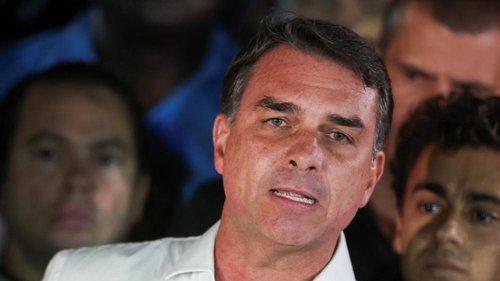
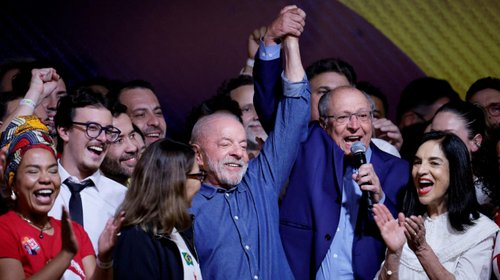
On Tuesday, Brazil’s Supreme Federal Court issued an order that directed the Federal Police to investigate allegations of foreign interference in the country’s recent presidential election. The directive follows claims that digital platform algorithms were manipulated to benefit Flávio Bolsonaro, while disadvantaging incumbent President Luiz Inácio Lula da Silva, who won a narrow runoff on Sunday.
Justice Flávio Dino, who issued the court’s decision, noted that the evidence he had reviewed suggested an “intensification in indications of foreign interference in the electoral process.” This statement underscores the seriousness with which Brazil’s highest court is treating the allegations. In the new order, the Protection of Federal Police is mandated to examine the role of platforms such as Meta, parent company of WhatsApp, Facebook and Instagram, and X, owned by Elon Musk, in allegedly slanting algorithmic content toward Bolsonaro.
The investigation will also scrutinise potential foreign funding to Bolsonaro’s campaign. Prosecutors are expected to delve into connections between the U.S.-based conservative Rockbridge Network and Brazilian businessmen Tallis Gomes and Pedro Sang. Sang, according to court filings, has reportedly served as the group’s CEO in Brazil, a role that could facilitate the flow of prohibited money to a domestic political campaign.
Another avenue of inquiry will consider the use of foreign betting and advertising platforms. The probe is set to look at who purchased political advertising and placed election‑related bets through sites such as Polymarket. These activities could reveal deeper financial networks that influence campaign messaging and voter perceptions.
Additionally, authorities must consider possible intersections between political financing and Brazil’s critical minerals and rare‑earths sectors. The buildup of public scrutiny attracts place-based concerns, as economic interests linked to the raw‑materials industry may overlap with political power plays.
In the fallout from the court order, both sides of the electoral contest are impacted. Worker Party leaders, who successfully campaigned for Lula’s reinstatement, filed the complaint that prompted the judge’s intervention. In contrast, the right‑wing Mission Party—whose presidential candidate Renan Santos was eliminated in the first round—also expressed concern, indicating the investigation’s cross‑party reach.
With Lula’s re‑election finalized and Bolsonaro’s campaign under scrutiny, the national discourse now hinges on the integrity of the digital and financial ecosystems that shaped the vote. Public confidence in Brazil’s institutions rests on the judicial system’s capacity to expose and address interference in the democratic process.
As the Federal Police begin their examination, the outcome will likely set a precedent for future surveillance of online political content and foreign donations. Brazil’s democratic stakeholders—from ordinary citizens to lawmakers—await the findings and potential reforms that could strengthen safeguards against external manipulation.
The ongoing investigation reflects a broader trend of countries confronting the influence of technology and foreign networks on elections. The stakes remain high: the functioning of institutions and the legitimacy of electoral outcomes depend on transparent, accountable processes that hold all actors—domestic or international—responsible for their role in shaping democratic choices.