President Trump's recent statements regarding the escalating conflict between Israel and Iran have left many confused about the United States' potential role. Since Israel initiated its military campaign against Iran last week, Trump's remarks have oscillated between support for Israeli actions and calls for diplomatic resolution, creating a perplexing atmosphere for stakeholders in the region.
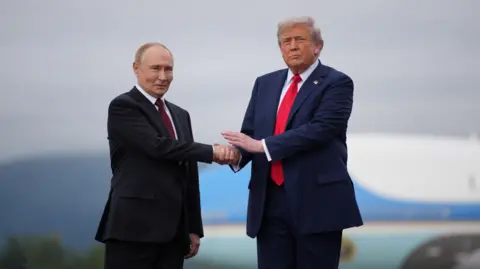
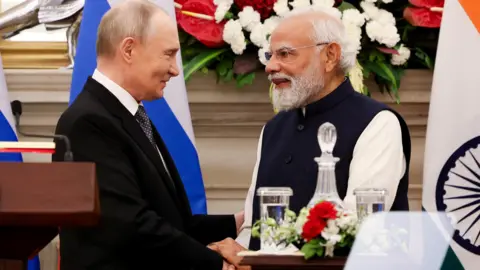
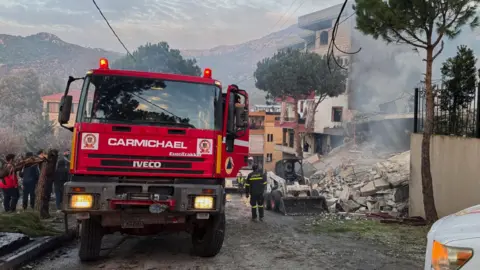
Initially, Trump praised Israel's military endeavors as "excellent" and expressed optimism about the potential for a diplomatic settlement. However, he also lamented the "great death and destruction" unfolding and urged Iran to negotiate before the situation worsened. As the conflict progressed, he spoke with Russian President Vladimir Putin and indicated both leaders agreed that hostilities should cease.
The uncertainty around Trump's intentions has not only raised eyebrows among Israelis and Iranians but also among international observers, with mixed signals leading to questions about whether the U.S. might intervene militarily. Shira Efron from the Israel Policy Forum emphasized the confusion stemming from the president's statements, as he appeared to sway between opposing foreign interventions and contemplating deeper involvement in this historically significant conflict.
As the situation remains fluid, questions loom over the consequences of Trump's words and their impact on a rapidly evolving geopolitical landscape.