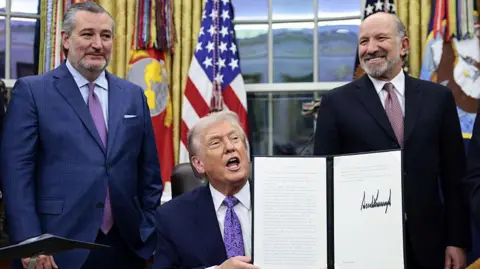
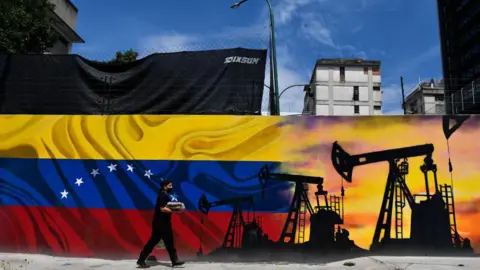
President Trump has chosen not to impose tariffs on Russia, unlike the 180 other nations targeted in his trade war strategy. However, this exemption does not shield Russia from the broader economic turmoil triggered by his recent policies. Following the tariffs announcement on April 2, oil prices—vital to Russia's economy—have dropped nearly 15%, igniting fears of a potential global recession. In a significant move, the U.S. president suspended many tariffs for a period of 90 days, yet analysts warn that the resultant damage to the global economic landscape could have long-term effects, adversely impacting oil demand.
Facing dwindling oil revenues, the Kremlin may be prompted to cut expenditures as early as this summer, which could potentially affect military funding for ongoing operations in Ukraine. This paradoxically means that President Trump's trade strategies may inflict greater harm on Russia’s financial capabilities than the extensive sanctions imposed by Western nations.
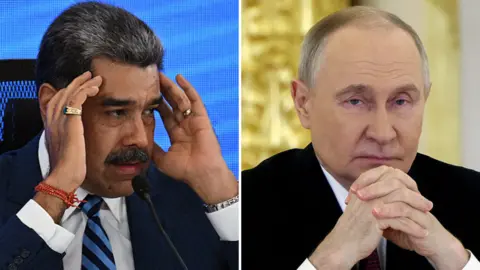
Prior to these economic challenges, President Vladimir Putin seemed to gain ground in his military endeavors, even aligning with Trump on various issues regarding Ukraine. The Trump administration's diplomatic and economic pressures on European allies, historically supportive of Ukraine, have exacerbated tensions in the region. Additionally, a potential decoupling of trade relations between the United States and China may weaken both nations, inadvertently benefiting Russia and enhancing Putin's vision of a "multipolar world" where the influence of other powers is elevated.