The CIA's recent assertions regarding Iran's nuclear program have stirred significant debate, especially following John Ratcliffe's claim that U.S. airstrikes have severely damaged key Iranian facilities. While he acknowledged that the Iranian nuclear program was not completely dismantled, he emphasized that several installations would face prolonged rebuilding processes.
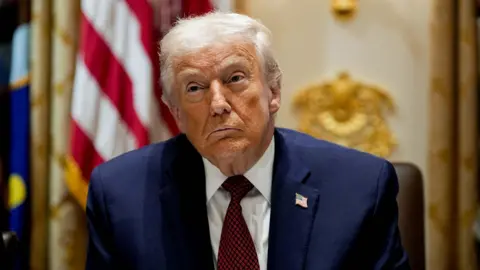
This statement comes amidst a tumultuous political climate, especially following President Donald Trump's assertion that the strikes had "obliterated" Iran's nuclear assets. Trump's confidence in the military's effectiveness sharply contrasts with a leaked preliminary report from the Pentagon that estimated the damage as minimal, potentially delaying Iran's nuclear ambitions by only a few months.
The divergence of information has angered Trump, prompting him to label media narratives as “fake news” and asserting that his administration would unveil more substantial evidence to support their perspective at an upcoming Pentagon news conference. Meanwhile, discussions about reaching an agreement with Iran regarding its nuclear program are reportedly ongoing, though Tehran has not confirmed any negotiations.
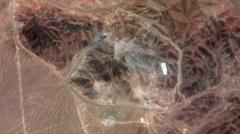
Reports suggest that the U.S. operation involved a significant military presence, utilizing about 125 aircraft to strike at multiple Iranian facilities simultaneously. New satellite imagery has revealed craters at key locations such as Fordo and Isfahan, but the depth of underground sites has led to uncertainty about the level of destruction achieved.
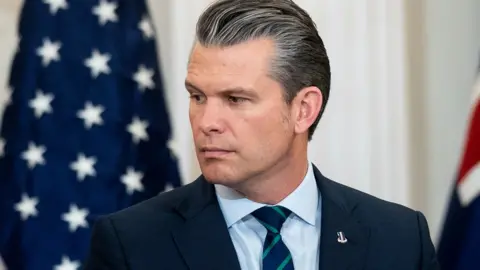
In regard to the aftermath, U.S. intelligence agencies continue to evaluate the implications of the strikes. Although Ratcliffe asserted that the damage would delay Iran's nuclear pursuits for years, the Defense Secretary expressed further caution, stating that the original assessment was made with "low confidence."
The Iranian response has varied, with officials acknowledging some damage without conceding that it was irrevocable. Top Iranian representatives maintain that their nuclear endeavors strictly adhere to peaceful purposes, despite U.S. accusations of potential weaponization.
As tensions in the region heighten, the varying assessments from U.S. intelligence pose questions about reliability and the complex nature of international relations, particularly in relation to Iran and Israel. Each statement from officials, whether in support or contradiction of one another, continues to shape the narrative around Iran's nuclear framework and U.S. military interventions.