In brief
Alberta’s recently held referendum saw over two‑thirds of voters choose to remain part of Canada, a decisive blow for the separatist movement. Prime Minister Mark Carney lauded the outcome, calling it a triumph for national unity. Alberta Premier Danielle Smith, who called the vote, vowed to strengthen the province within the federal framework. Separatist leaders, while disappointed, insisted the fight is far from over. The result also set the stage for a series of non‑binding questions on immigration and constitutional reforms that many expect to pass.
People in Alberta have voted overwhelmingly to stay in Canada, rejecting a proposal to pursue separation through a binding referendum.
With most votes counted, more than two‑thirds of voters chose to remain part of Canada rather than push for independence, according to Elections Alberta results.
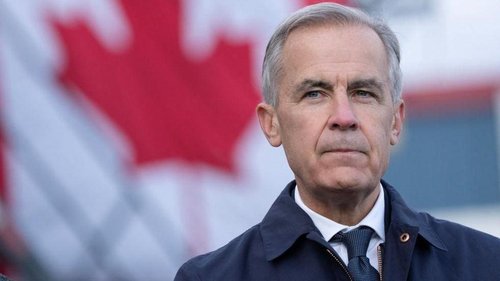
Prime Minister Mark Carney said the outcome was a ‘great result for Canada’ and expressed his excitement that Albertans opted for unity.
Premier Danielle Smith, who called the ballot in response to a petition of about 300,000 signatures, welcomed the early results and said Alberta would become a stronger province within Canada.
Smith told reporters she would address Albertans later on Tuesday about the province’s next steps.
Separatist supporters argued the oil‑rich province’s growth had been limited by Ottawa’s environmental policies, but opponents called for a united front amid trade tensions with the United States.
Carney, speaking at a cabinet meeting in Ottawa, discussed moving forward in the spirit of cooperative federalism on immigration and other shared priorities.
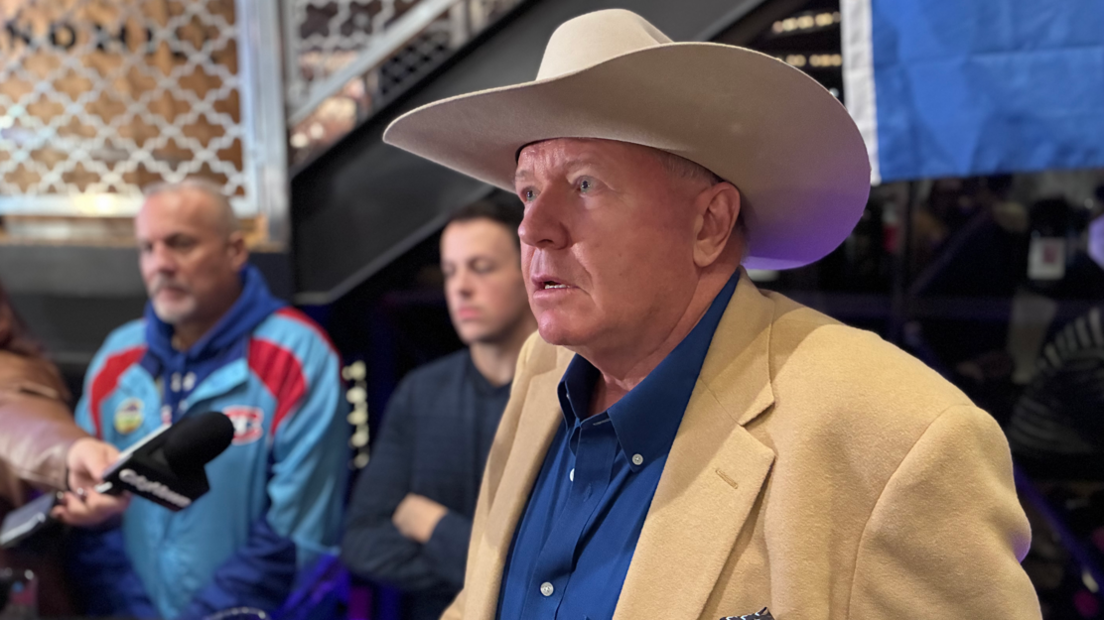
At a pro‑separatist watch party in Edmonton, mood quickly soured when projected results were released. The party packed up as attendants left, though one leader, Jeffrey Rath, remained defiant, stating the movement would continue and that the vote was a valuable learning experience.
Rath said the separatist cause is not abandoned, and if future votes are held, the movement would persist in seeking independence.
Behind the vote, the petition that triggered the referendum was blocked by a judge for failing to consult Indigenous First Nations; nevertheless, Smith proceeded with the ballot. A rival petition opposing separation amassed more than 400,000 signatures.
The referendum question read: "Should Alberta remain a province of Canada or should the Government of Alberta commence the legal process required under the Canadian Constitution to hold a binding provincial referendum on whether or not Alberta should separate from Canada?"
Smith had stated that if voters chose to stay, no referendum on separation would occur while she remained in power.
Although the main question was decisive, the ballot also contained nine non‑binding questions, five on immigration and four on constitutional matters. Early insights suggest most proposals will pass, including increased provincial control over immigration.
Despite the outcome, discussions over Alberta’s sovereignty are far from over. Separatist leaders intend to push for a new premier within the United Conservative Party, aiming for a leader more sympathetic to independence. Additionally, other separatist figures say the movement will continue to challenge the current leadership and policy direction.
Canada has previously faced secessionist challenges, notably Quebec’s referendums in 1980 and 1995, which failed but altered the country's political leverage. The current vote may carry similar long‑term implications for Canadian federalism.