In brief
Charlie Kirk's death has ignited a wave of emotional responses from his supporters, many of whom suggest it might lead to increased engagement in evangelical and Catholic churches. Notable figures have heralded Kirk as a martyr, mirroring the impactful feelings surrounding significant historic events. While some congregations report increased attendance following the tragedy, political scientists warn that such surges are typically fleeting. The conversation raises critical questions about the future of religious engagement in America and the long-term implications of Kirk's legacy.
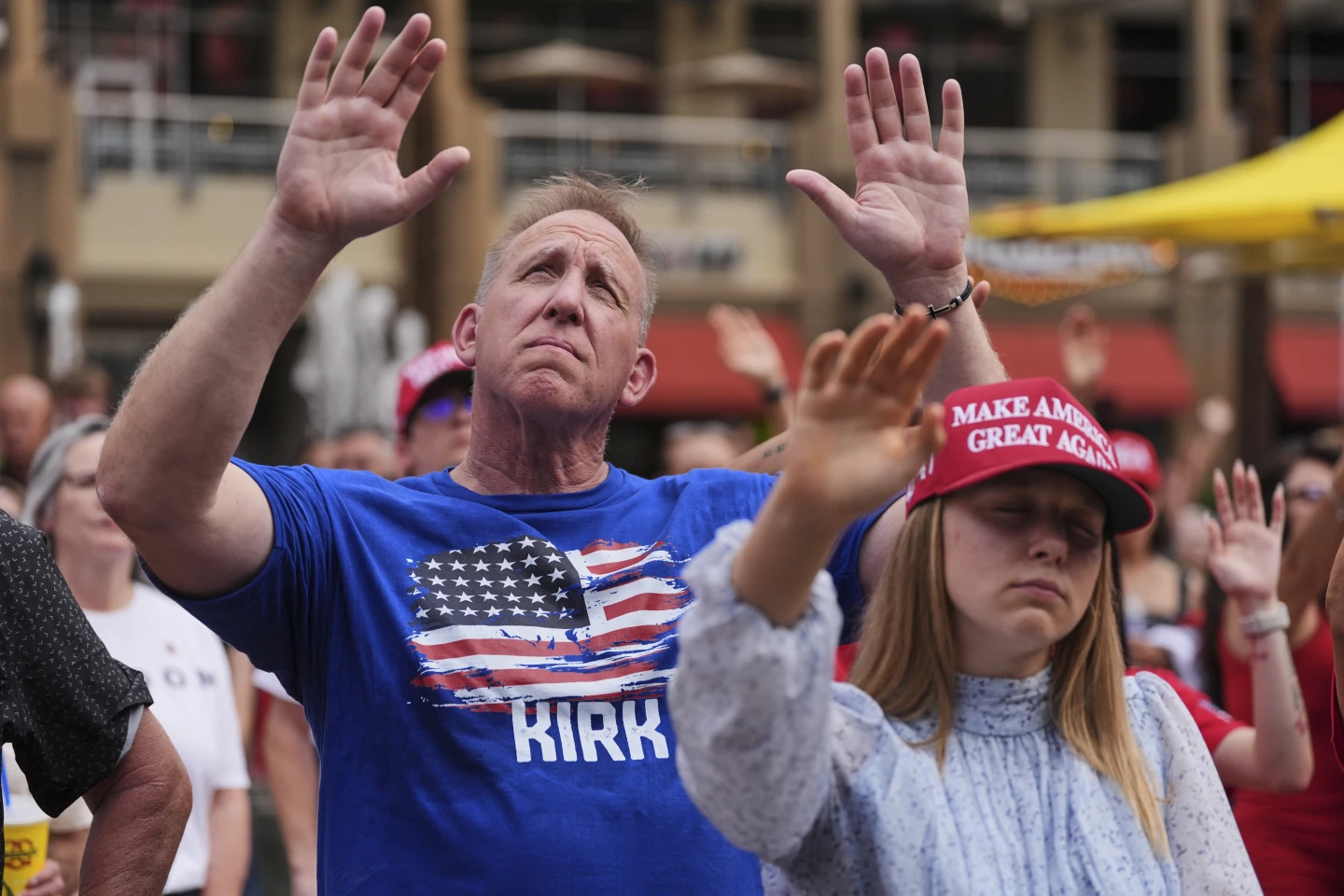
In the wake of Charlie Kirk's tragic assassination, some supporters have begun to see him as a central figure for a potential revival among young conservative churchgoers. Vice President JD Vance referred to Kirk as 'a martyr for Christianity,' while a cardinal likened him to 'a modern-day St. Paul.' These sentiments, shared widely during a memorial service that resembled a large-scale church gathering, have sparked discussions about the possibility of increased religious engagement, particularly among youth.
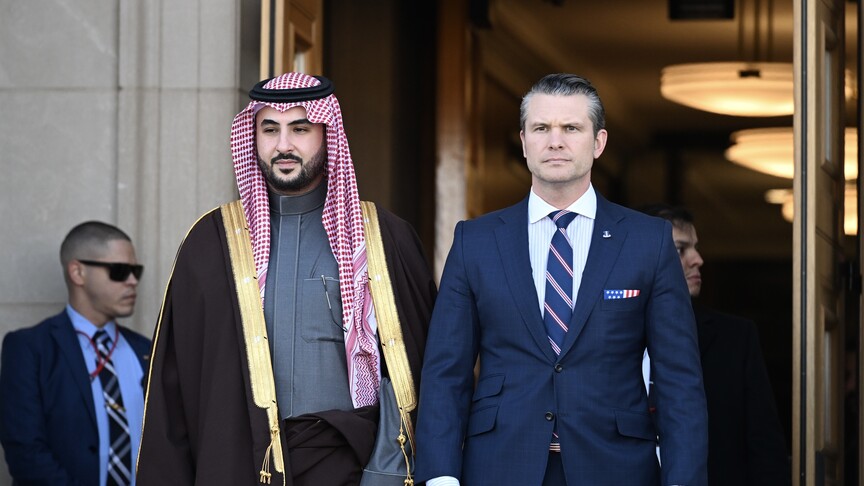
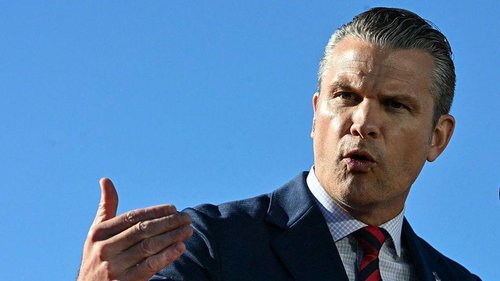
Defense Secretary Pete Hegseth remarked, 'Charlie started a political movement but unleashed a spiritual revival,' further emphasizing the potential for Kirk's legacy to motivate attendance at evangelical churches. Reports from various congregations indicate a noticeable rise in church attendance and new faces joining services in the aftermath of Kirk's death.
The Rev. Robert Jeffress, with a large Southern Baptist megachurch, shared that the immediate emotional response following Kirk's murder was comparable to that seen after significant historical tragedies like 9/11. Yet, experts like political scientist Ryan Burge caution that unless significant behavior shifts occur among millions of Americans, these increases in church attendance may prove temporary.
Some churches have already observed an uptick in attendance, with Gina Gleason from Calvary Chapel noting a resurgence of interest, especially among younger churchgoers who felt a connection to Kirk's messages blending faith and politics. However, Burge suggests that claiming this event will lead to a long-term revival lacks historical precedent, requiring at least 18 months of data to assess any lasting changes accurately.
Furthermore, reflections on Kirk's life have sparked discussions even among critics who recognize his polarizing influence. Others, including Cardinal Timothy Dolan, see him as a figure of missionary zeal, while critics caution against romanticizing a legacy that has also caused division. The dialogue surrounding Kirk's death continues to evolve, posing substantial questions about the future landscape of American Christianity.