In brief
The UN's Volker Türk highlights the deteriorating situation in northern Gaza amidst Israel's military operations, which have led to severe civilian suffering and the disruption of essential humanitarian services.
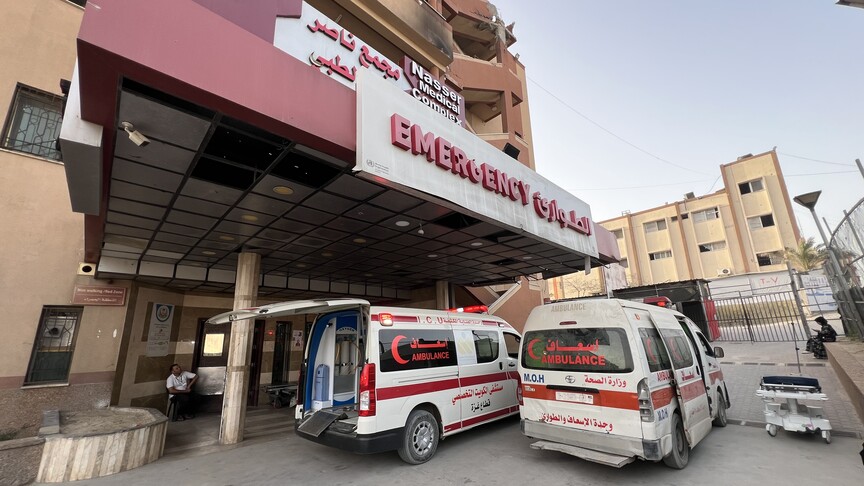
The UN human rights chief, Volker Türk, has declared that the Gaza conflict is reaching its "darkest moment," particularly in the northern region where Israel has intensified its ground offensive against Hamas fighters. Türk asserted that the Israeli military is subjecting the entire population to relentless bombings, sieges, and starvation, calling for swift action from world leaders to uphold international humanitarian law as outlined in the Geneva Conventions.The remarks come as the World Health Organization (WHO) raised alarms about the escalating humanitarian crisis, stating it lost communication with the already overwhelmed Kamal Adwan hospital in Beit Lahia, which has been inundated with nearly 200 patients due to the ongoing violence. Dr. Tedros Adhanom Ghebreyesus of the WHO described the situation at the hospital, where Israeli forces reportedly detained patients and medical personnel during a recent raid. Witness accounts indicate a deteriorating environment, with vital medical equipment being damaged and conditions for civilians rapidly declining.As reports of casualties and displacements mount, Türk warned that residents trapped in northern Gaza face increasingly desperate conditions amid continued bombings and a lack of essential resources. He characterized the Israeli government's actions as potentially amounting to atrocity crimes, urging international stakeholders to intervene and prevent further escalation, including the risk of genocide.Israel, while defending its military operations, refuted accusations of bias and denied targeting civilians. The Israeli military stated that actions taken are guided by intelligence related to Hamas activities within the area. However, the UN Chief stressed the unacceptability of armed groups operating among civilians, underscoring the dire humanitarian implications for the general populace.Jordan's Foreign Minister Ayman Safadi condemned the current state of affairs as ethnic cleansing, seeking intervention from the U.S. Secretary of State to alleviate the humanitarian crisis. Meanwhile, diplomatic efforts are underway as the U.S. explores post-conflict strategies and seeks to renew discussions on a ceasefire.As the situation unfolds, the urgency for humanitarian access and the protection of civilian lives has never been more critical, with the lives of thousands hanging in the balance. The international community is increasingly called upon to act decisively in response to the fatal implications of the ongoing hostilities.