In brief
Afroman, born Joseph Foreman, celebrated a victory in a defamation lawsuit against deputies from Adams County, Ohio, after they sued him over music videos that used footage from their controversial raid on his home. The jury ruled in favor of the rapper, affirming his right to free speech while critiquing public figures. During the trial, Afroman defended his work as an artistic response to the raid, which he described as traumatic for his family. His videos have gone viral, raising questions about the balance between artistic expression and the reputations of those criticized.
Afroman, the Grammy-nominated rapper, achieved a significant legal victory when he won a defamation lawsuit filed by seven Ohio sheriff’s deputies. The lawsuit centered around music videos where Afroman used security footage from a police raid on his home to create parody and social commentary.
Following the court's decision, Afroman joyfully proclaimed, We did it, America! Yeah, we did it! Freedom of speech! Right on! Right on! This moment was shared widely on social media as the rapper celebrated his right to critique law enforcement's actions.
The case highlighted the delicate balance between parody and public accountability, as the deputies sought nearly $4 million in damages for what they described as public ridicule stemming from the videos, which attracted over 3 million views on YouTube.
Afroman's defense argued that criticism of police is not only expected, but is protected under the First Amendment. Their lawyer emphasized that criticism of public figures, including police officers, is a part of a healthy democracy.
During the trial, Afroman addressed the trauma faced by his children as a result of the raid, stating, The whole raid was a mistake. All of this is their fault... He noted that without the wrongful action taken against him, there would have been no songs or videos criticizing the officers.
In his music, Afroman confronted the deputies directly, addressing issues such as the alleged seizure of $400 during the raid and the invasive nature of the law enforcement actions at his home. His lyrics and video imagery blurred the lines of humor and serious criticism, igniting debates over artistic license.
The deputies claimed they faced public harassment as a result of Afroman’s videos, with one sergeant citing distress for his child over the content shared online. However, Afroman's lawyer argued that exaggeration is a common practice within artistic expression.
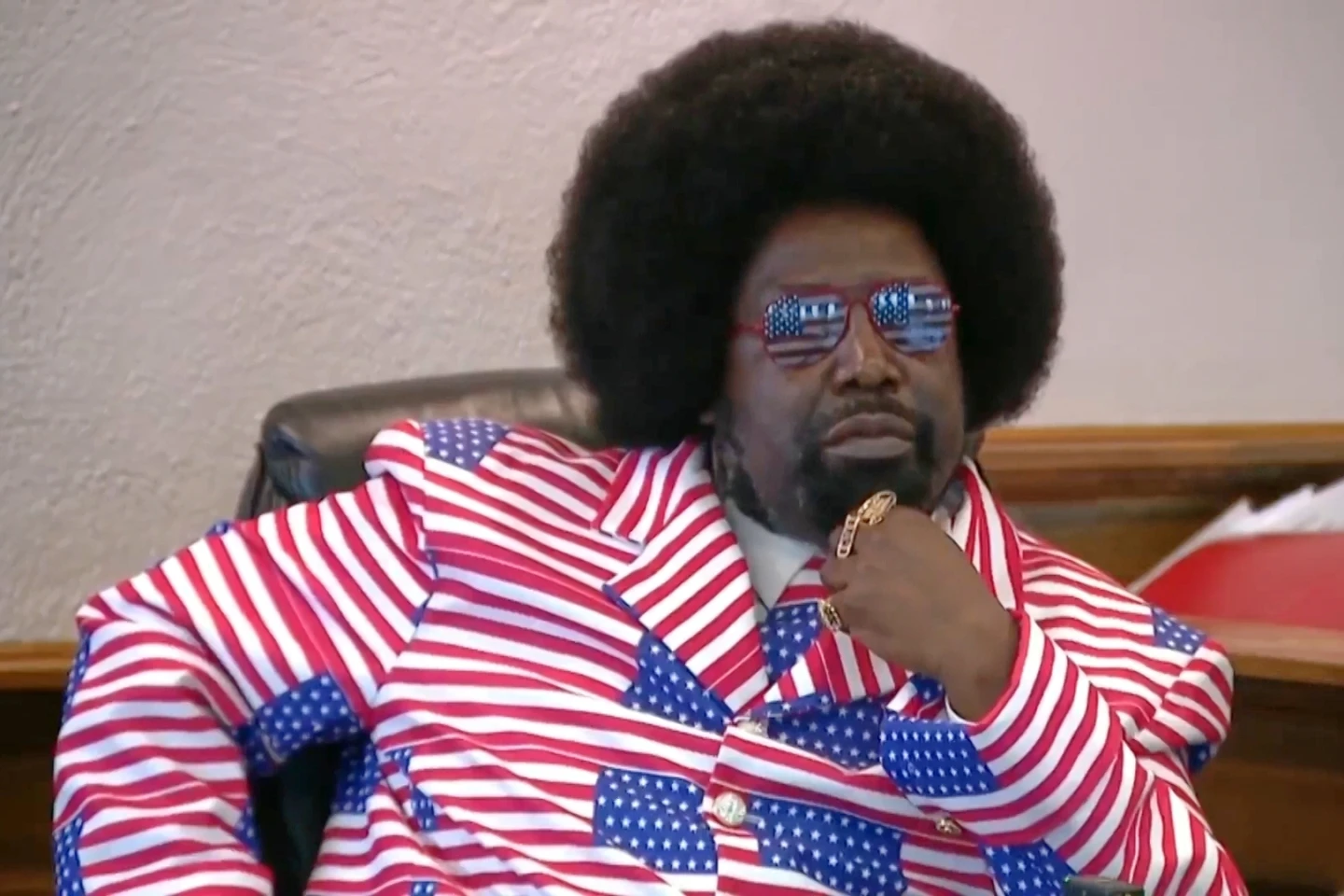
This case serves as a formidable example of how artistic expression interact with the rights of public figures, and could set a precedent for similar cases in the future. Afroman’s courtroom appearance, especially in a patriotic suit, became a noteworthy symbol of the ongoing conversation about free speech and accountability.