At the Taste of East African restaurant in Minneapolis, owner Hibaq Nimale and her manager are now the only two employees working, facing an uphill battle to keep their doors open amid a surge in federal immigration enforcement actions. This surge has cultivated fear among patrons, particularly in an area heavily populated by immigrants.
Even if you tell ICE (Immigration and Customs Enforcement) you’re a citizen, they won’t listen, so everyone is scared, Nimale, a U.S. citizen raised in Kenya, expressed to local media.
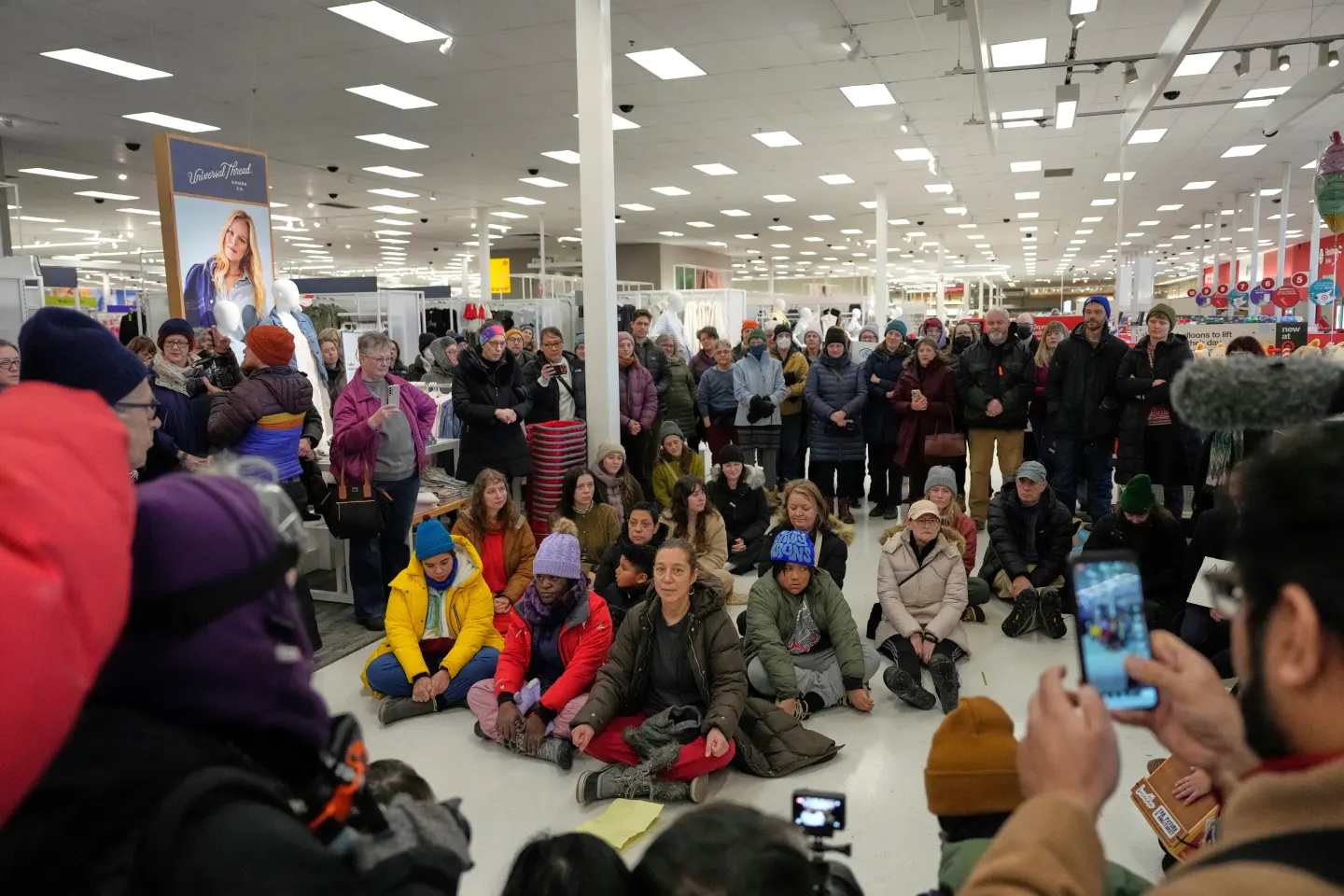
Many regular customers have stayed away, and gig workers are too fearful to accept delivery orders. The underlying anxiety is not isolated to just one business; across Minneapolis, many establishments are reporting similar declines as ICE conducts extensive raids, leading to protests that target facilities perceived to be complicit with federal enforcement.
As the economic impact of these measures spreads, businesses report a staggering drop in sales—some report a decline of up to 80%. A report from the Minneapolis Federal Reserve highlighted the already sluggish economic indicators prior to the federal enforcement actions, indicating that over 20% of surveyed businesses noted reduced staffing due to fears surrounding immigration enforcement.
In response to this situation, community actions are taking root. Faith leaders, labor unions, and activists are rallying residents to abstain from working, shopping, or attending school to protest the ongoing ICE actions. Boycotts, like those against Target for its stance on diversity policies, have also emerged as a common response in the region.
Meanwhile, Nimale remains genuinely thankful for the support from her new, primarily non-immigrant customers, who have begun to fill the void left by former diners. However, she openly questions how long this temporary support can sustain her restaurant as the shadow of fear looms over essential community interactions.
Overall, the economic landscape for businesses in the Twin Cities is precarious, and with no immediate resolution on the horizon, the future remains uncertain for many local establishments battling the chilling effects of heightened immigration enforcement.