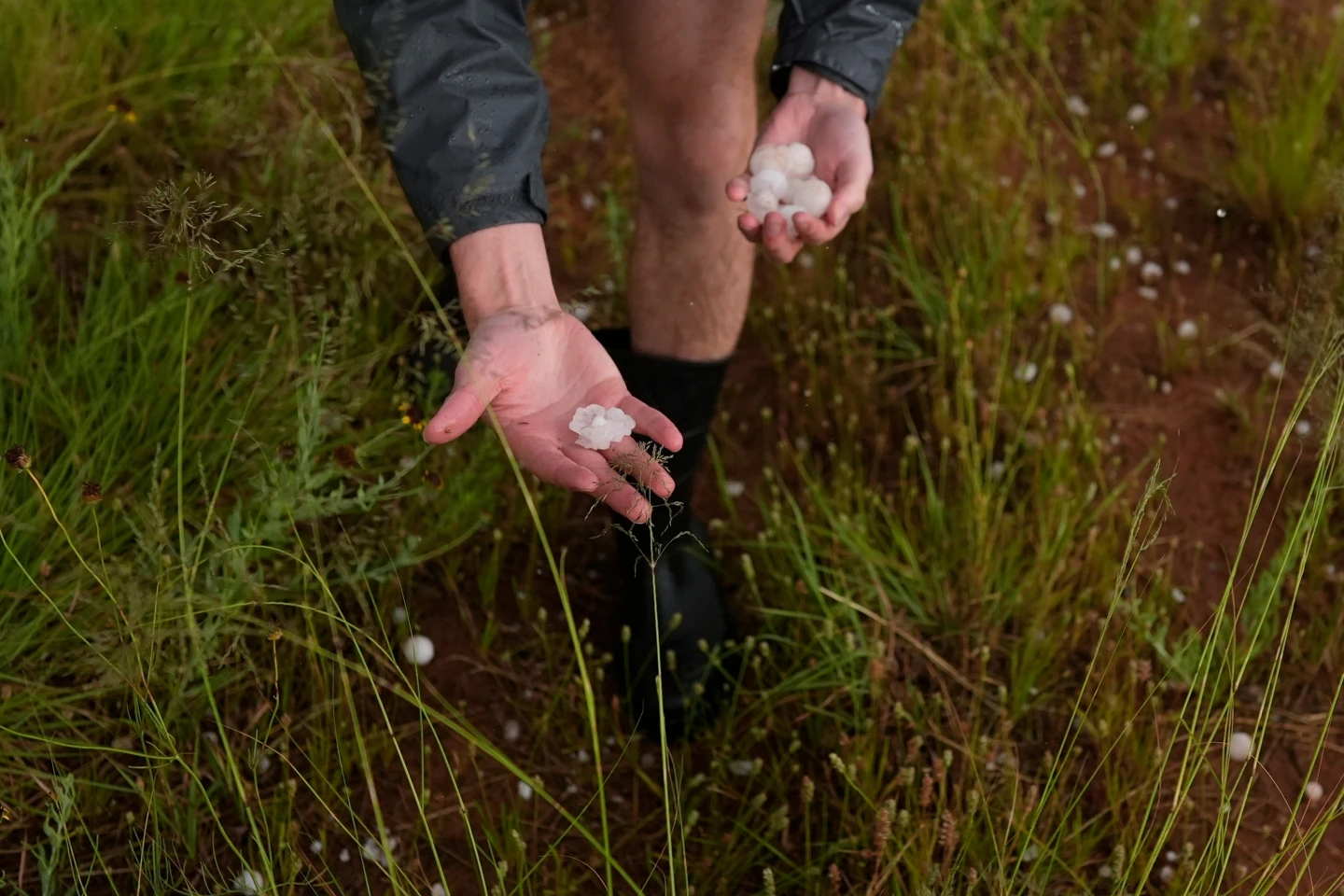
A small part of Florida is experiencing what can be described as 'the Snowy State' for the second year in a row. On Sunday morning, a rare occurrence took place as snow briefly covered the grass and rooftops in the western Florida Panhandle. Just enough frigid air rushed in behind a cold front to turn the last rain showers into snowflakes in the Sunshine State.
The snowfall wasn't unique to Florida; blizzard warnings were also issued for parts of North Dakota and Minnesota, while snow was anticipated in the Northeast. The event is particularly special, as less than a year ago, on January 21, 2025, some areas received up to 8 inches of snow, marking the most significant snowfall in many locations since the late 1800s.
Local resident Danielle Brahier set her alarm for 3 a.m. and was thrilled to wake up her three daughters to experience the snow together. It was enough to make snowballs and snowmen, Brahier said, reflecting on last year’s snowfall just days before her wedding.
Another resident, Jim Keith, shared his surprise while enjoying coffee at home as he witnessed the snow fall. He couldn't resist waking his granddaughter to experience the unusual weather. It was phenomenal. Not anything you’d expect two years in a row, Keith remarked.
As social media flooded with snow photos, some showed snowflakes gently resting on palm fronds and a few flakes on nearby beaches. Although the roads were too warm for the snow to stick, the dusting was evident on grass before quickly melting away.
The snowfall extended beyond Florida, with southeastern Alabama and southern Georgia also reporting snow. Cities like Columbus and Macon, Georgia experienced winter wonderland conditions, prompting warnings about treacherous travel.
Meanwhile, in North Dakota, forecasters alerted of dangerous blizzard conditions, with winds gusting to 50 mph making wind chills feel like minus 35 degrees Fahrenheit. This unusual winter weather pattern has sparked conversations on climate change and whether snowfall in these typically warm regions could become more frequent.
The snowfall wasn't unique to Florida; blizzard warnings were also issued for parts of North Dakota and Minnesota, while snow was anticipated in the Northeast. The event is particularly special, as less than a year ago, on January 21, 2025, some areas received up to 8 inches of snow, marking the most significant snowfall in many locations since the late 1800s.
Local resident Danielle Brahier set her alarm for 3 a.m. and was thrilled to wake up her three daughters to experience the snow together. It was enough to make snowballs and snowmen, Brahier said, reflecting on last year’s snowfall just days before her wedding.
Another resident, Jim Keith, shared his surprise while enjoying coffee at home as he witnessed the snow fall. He couldn't resist waking his granddaughter to experience the unusual weather. It was phenomenal. Not anything you’d expect two years in a row, Keith remarked.
As social media flooded with snow photos, some showed snowflakes gently resting on palm fronds and a few flakes on nearby beaches. Although the roads were too warm for the snow to stick, the dusting was evident on grass before quickly melting away.
The snowfall extended beyond Florida, with southeastern Alabama and southern Georgia also reporting snow. Cities like Columbus and Macon, Georgia experienced winter wonderland conditions, prompting warnings about treacherous travel.
Meanwhile, in North Dakota, forecasters alerted of dangerous blizzard conditions, with winds gusting to 50 mph making wind chills feel like minus 35 degrees Fahrenheit. This unusual winter weather pattern has sparked conversations on climate change and whether snowfall in these typically warm regions could become more frequent.