In brief
Alberta is set to vote on a question that could trigger a nationwide debate on federal unity and the province’s economic future. The question asks whether the province should approve a legal process for a binding referendum on independence. The move follows a petition collecting hundreds of thousands of signatures, amid strong opposition from Indigenous groups and federal leaders who fear economic instability. While polls suggest most Albertans favor staying in Canada, the debate has already intensified discussions on energy policy, sovereignty, and national identity.
Alberta voters will go to the polls on Monday to answer a single question: should the province proceed with a binding referendum on separating from Canada? The question follows a 2026 petition that gathered roughly 300,000 signatures and was endorsed by Alberta’s Premier Danielle Smith.
Pro‑separatist groups argue that Ottawa’s environmental regulations stifle Alberta’s oil and gas sector, and that independence would allow the province to retain a larger share of its wealth. The movement is led by Mitch Sylvestre of Bonnyville and lawyer Jeffrey Rath, both members of the Alberta Prosperity Project.
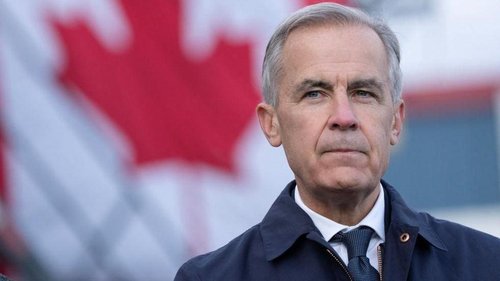
Opposition comes from federal leaders—including Prime Minister Mark Carney—who warn that a break would hoard Alberta on $90‑plus‑billion of debt and trigger a wave of job losses, echoing fears after the UK’s Brexit vote. First Nations groups have called Premier Smith’s decision “undemocratic” and “authoritarian” because it bypassed consultations on how split could affect indigenous territories.
Smith says she does not favor separation, but believes giving voters the choice is a democratic act. On the ballot, voters will see the wording: "Should Alberta remain a province of Canada or should the Government of Alberta commence the legal process required under the Canadian Constitution to hold a binding provincial referendum on whether or not Alberta should separate from Canada?"
Earlier this week, dozens of Albertans voted by post, signaling a high turnout. Election officials will count ballots by hand, aiming to announce results before 6 am local time on Tuesday.
Regardless of the outcome, the debate has already forced Alberta’s leaders to confront deeper questions about the province’s future prosperity, its relationship with Indigenous peoples, and Canada’s collective identity. The forthcoming vote will determine whether the conversation continues in principle, or if the province moves toward a historic separation.