Viktor Orban's Fidesz government in Hungary stands accused of mass voter intimidation in a film released on Thursday ahead of 12 April parliamentary elections, in which the ruling party is trailing in the opinion polls.
The Price of the Vote documentary film, which aired on Thursday evening at a Budapest cinema and on YouTube, presents the results of a six-month investigation by independent filmmakers and reporters.
In the film, voters, mayors, former election officials and a police officer claim that large sums of money and even illegal drugs are being offered to pressure people to vote for Fidesz.
Fifty-three of Hungary's 106 individual constituencies and up to 600,000 voters are targeted, the film alleges – potentially 10% of the expected turnout of six million.
After 16 years of Fidesz rule under Orban, most recent polls indicate that the party is trailing Peter Magyar's centre-right opposition party Tisza by at least that margin.
All the constituencies involved are rural or small-town communities, increasingly dominated by Fidesz since 2010. The film portrays a rural Hungary made up of a patchwork of poor villages, home especially to the country's large Roma minority.
Local mayors exercise an iron grip over daily lives, providing work, firewood, transport to polling stations and, in one case, even access to medicine, in exchange for the correct vote on election day, according to claims made in the film.
The BBC has reached out to individual government ministers, and the communications offices of the government, the interior ministry, and the national police for a reaction. The only response so far has been from Minister for Public Administration and Regional Development Tibor Navracsics, who is seen as a moderate.
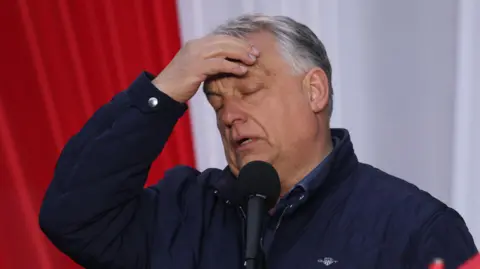
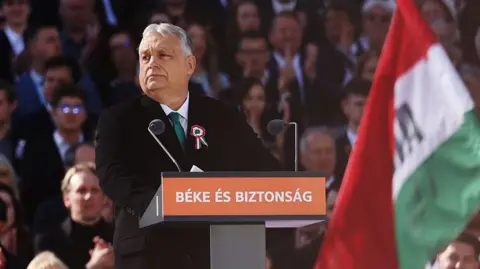
It was in January that Viktor Orban addressed a large gathering of local mayors and village and town councillors in Budapest: Mayors, ladies and gentlemen, the situation is the following: this election must be won by you.
In the film, Orban's words are juxtaposed with interviews with around 20 figures across 14 of Hungary's 19 counties, from the south to the north-east. The sheer extent of the practice, and the similarity of the stories in villages tens or hundreds of kilometres apart, led the filmmakers to conclude that the action is planned by senior Fidesz officials.
Previous allegations of vote-buying in Hungarian elections have been localized and without significant impact on the outcome. This time, however, with claims of widespread coercion and manipulation, the allegations present a serious challenge to the legitimacy of the upcoming elections.