In brief
Last month, Azerbaijan’s education ministry moved to ban hijabs in state schools, arresting 37 students and sparking flash mobs in Baku and southern districts. Limited political space has turned the protests into rare public dissent; activists now run an online tutoring platform to help barred girls. Turkey’s officials and Islamist groups condemned the move, sparking a diplomatic spat, while Russia, Israel, and Iran eye deeper regional implications.
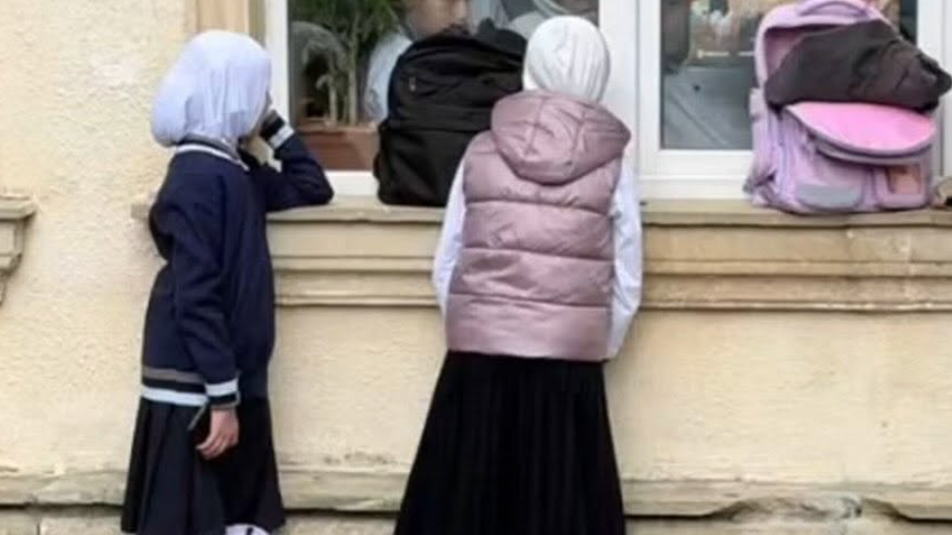
In a sudden policy shift, the Azerbaijani education ministry began enforcing new uniform rules last Monday that effectively ban hijabs in state schools. The move has turned quiet schools in Baku, Masally and Jalilabad into flashpoints for public dissent.
Arrests and Solidarity
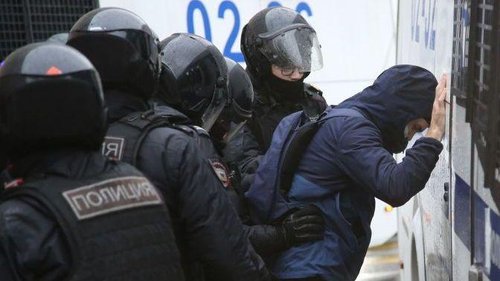
The interior ministry said it detained 37 people who tried to bring hijab‑wearing girls into their classrooms. One mother, Shahiza Huseynova, was warned that she could be imprisoned unless her daughter removed her hijab.
In response, activists like Ilkin Huseynov have set up a free‑lesson platform, “Let Leyli Go to School,” as protests spread. The platform’s social‑media pages began to block without a VPN, hinting at state‑run censorship.
Why It Matters
Azerbaijan is constitutionally secular, but its government—led by President Ilham Aliyev since 2003—tends to clamp down on dissent. Opposition politicians and independent journalists face imprisonment, making public protests exceptionally rare.
The new rule, approved on 21 September, is charged with enforcing “the principle of secularism in education” but does not mention hijabs explicitly. Critics argue it is a thinly veiled attempt to curb the growing influence of Shia religious identity.
Turkey’s Reaction
Turkey, Azerbaijan’s closest ally, has publicly criticized the ban. President Recep Tayyip Erdoğan’s adviser Oktay Saral wrote that “a hijab is a requirement of faith, not an obstacle.” Small demonstrations were staged outside the Azerbaijani embassy in Ankara and its consulate in Istanbul by Islamist groups linked to Hizb ut‑Tahrir and Özgür‑Der.
The Baku government warned that Turkish officials were “interfering in our internal affairs,” a sentiment echoed by the New Azerbaijan Party’s statements. Turkish officials argue that linking the ban to Azerbaijan’s ties with Israel and Gaza politics unnecessarily hurts the regional partnership.
Broader Regional Implications
Azerbaijan sits on a sensitive front line—southernly near Iran’s Shia majority and north of Turkey’s Sunni majority. The country’s selective cooperation with Israel, which supplies weapons and greets Azerbaijani oil, adds another layer of diplomatic balancing.
Amid the protests, the State Service for Special Communications and Information Security reported a “foreign hacker group” attack on over 100 state websites, allegedly by a pro‑Iranian group calling itself the 313 Team. The security response highlights fears of digital subversion amid face‑to‑face unrest.
The hijab ban has ignited a chain reaction: from interior security crackdowns to a leadership debate over religious identity, and a diplomatic dispute with a key regional power. Whether Azerbaijan will reverse course remains to be seen; for now, the country’s students, activists and citizens face a climate of uncertainty and tension.