MAYETTA, Kan. (AP) — The Prairie Band Potawatomi Nation, descendants of Indigenous people forcibly uprooted from the Great Lakes region, are engulfed in a storm of criticism for their $30 million contract connected to immigrant detention centers under President Trump's mass deportation initiatives.
The contract, signed in October, intended to provide design services for new detention facilities across the U.S., has faced heavy backlash internally. In response to the outcry, the tribe claims to be actively seeking to withdraw from the agreement.
Details surrounding the contract's awarding process remain opaque, sparking questions about whether the Prairie Band Potawatomi Nation was selected unfairly by the U.S. Department of Homeland Security. KPB Services LLC, the firm created for this purpose, was established by a former naval officer and lacks visibility on the tribe's official platforms.
Within this contentious backdrop, Ray Rice, a tribal elder, lamented their perceived betrayal: We are known across the nation now as traitors and treasonous to another race of people. The tribe's leadership has already terminated those responsible for the deal amidst escalating scrutiny.
ICE Contracts Under Fire
Tribal Chairman Joseph “Zeke” Rupnick acknowledged the situation's complexity, emphasizing a commitment to transparency and discussions with legal advisors. Reflecting on the tribe's history, he noted the irony in participating in what feels like a contemporary iteration of historical injustices.
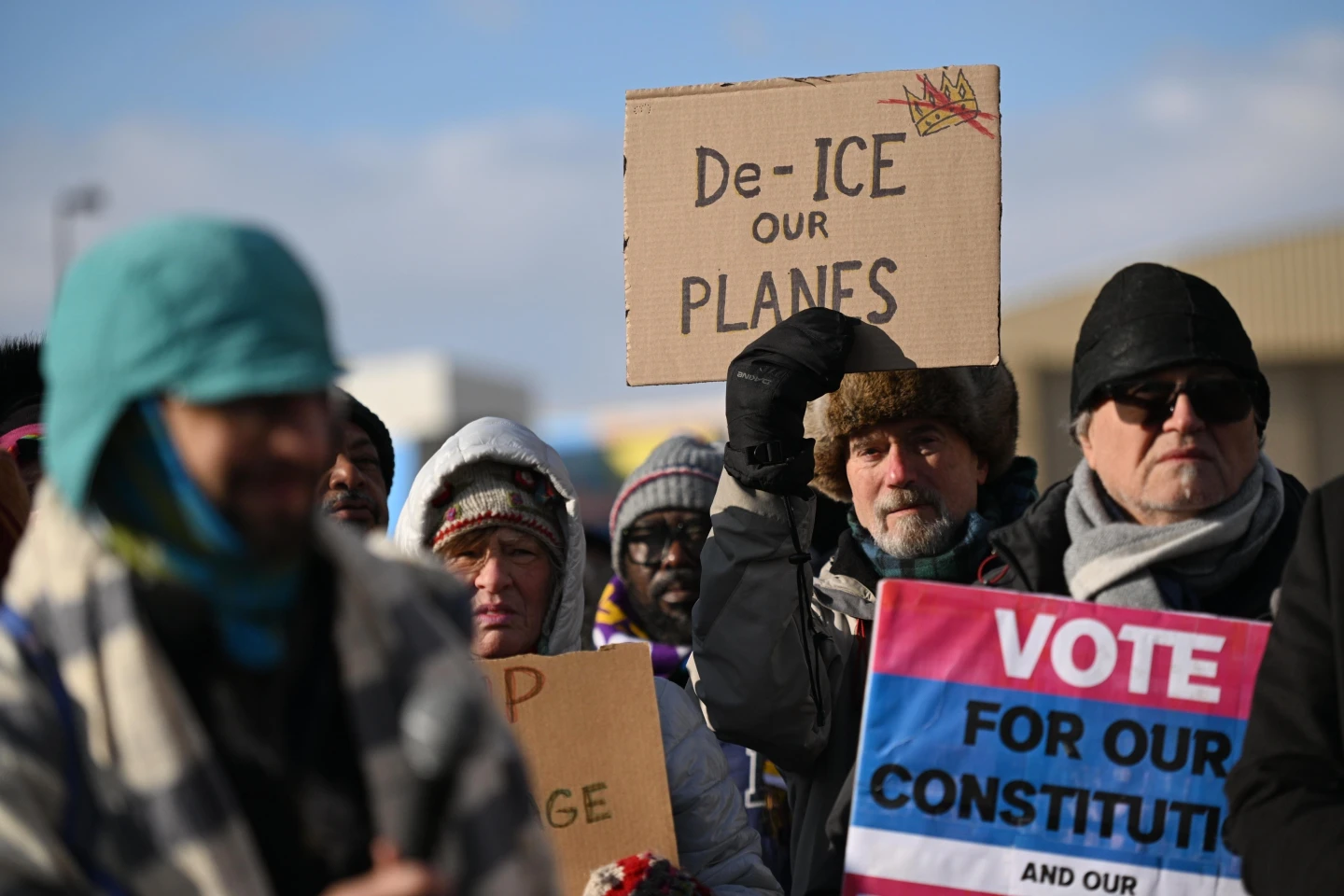
Recent actions from the U.S. Supreme Court have facilitated immigration raids that have disproportionately affected Native Americans. This context amplifies concerns regarding collaborations between ICE and various tribal nations, as protests emerge against any participation in policies reminiscent of past government aggressions.
With rising federal funding cuts and inflation, tribal economic initiatives have been pressured to find new revenue streams. Yet, these efforts often clash with the fundamental values held by tribal communities. It's essential to analyze the broader implications of entering contracts that may seem economically beneficial but ethically troubling.
Assistant Attorney Joshua Schnell highlighted that such contracts often lack transparency and raise questions about public trust in federal contracts, calling for better accountability in government spending concerning indigenous communities.
Swift Backlash and Internal Struggles
The reactions to KPB Services' involvement are varied, with some expressing disbelief at the tribe's decision to engage with ICE. Brittany McKane, a Muscogee Nation member, articulated shock regarding tribal nations' willingness to support federal immigration policies.
As the controversy unfolds, many within the tribe hope for the resignation of the contract while reaffirming their alignment with historical and current challenges faced by Indigenous populations.
Efforts for social justice are underscored in light of these recent developments, revealing a struggle to maintain cultural integrity amidst economic and political pressures.