In brief
In a trend alarming the tech industry, towns nationwide are pushing back against data center proposals due to concerns over environmental impact, property values, and community welfare. Developers are facing packed meetings filled with residents vigorously opposing projects, prompting discussions on better community engagement and public relations strategies amidst a backdrop of heightened regulatory scrutiny.
SPRING CITY, Pa. (AP) — Tech companies and developers looking to invest billions in large data centers to support artificial intelligence and cloud computing find themselves facing strong local opposition in communities unwilling to accept their presence.
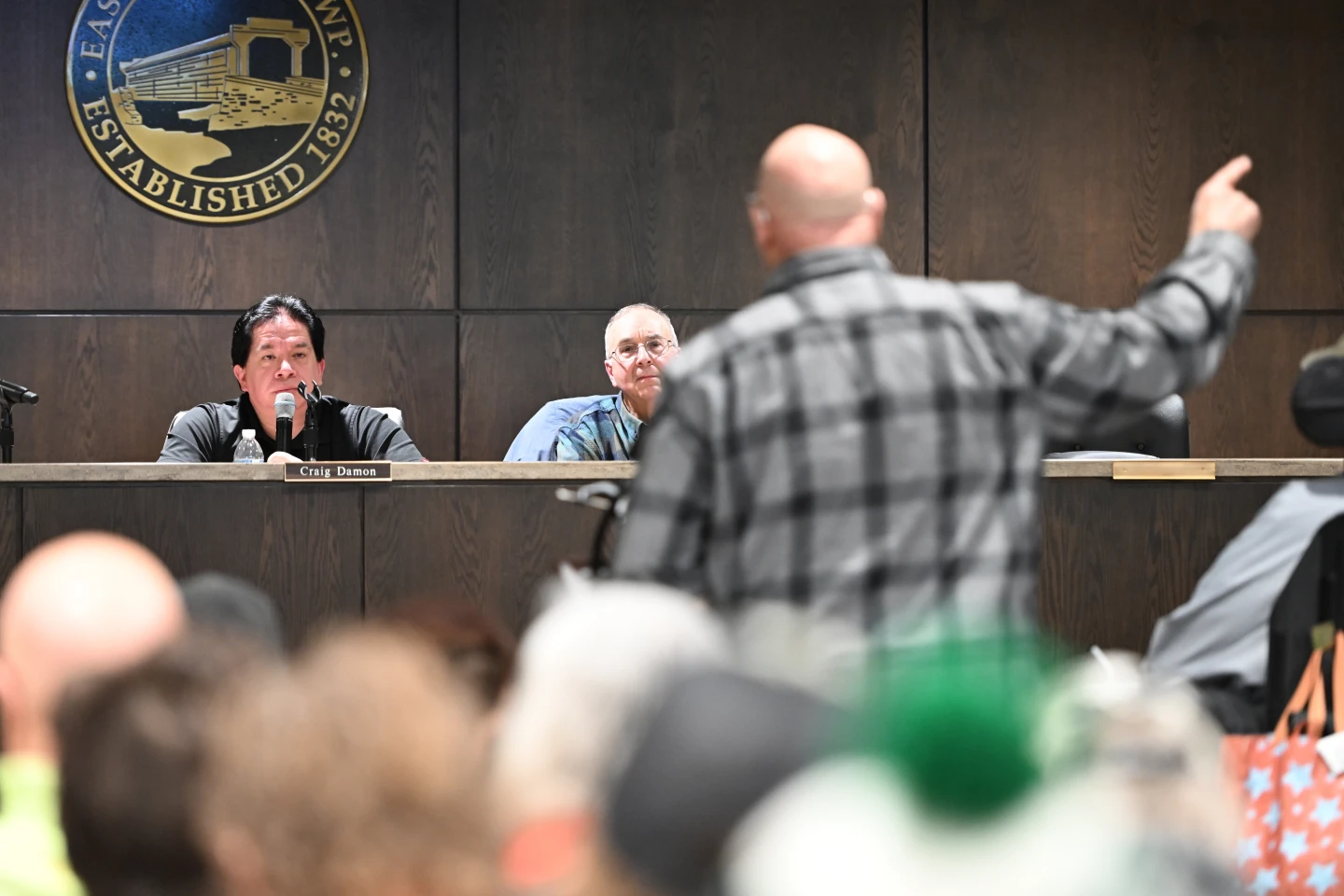
Resistance to data center proposals is on the rise across the United States, with local governments grappling with where these energy-intensive facilities fit within their zoning laws. Many communities, once quiet, are now flooded with residents voicing their concerns at municipal board meetings.
Communities are educating themselves regarding the proposals and organizing against them, often reflecting on the experiences of others. This response indicates a significant shift in local engagement, as residents rally against the prospect of having massive facilities constructed nearby.
“Would you want this built in your backyard?” one resident questioned local officials in East Vincent Township, Pennsylvania.
Growing Opposition Across States
As resistance mounts, proposals from major tech firms face increasing scrutiny, with some projects thwarted by local opposition. Real estate experts have noted a marked increase in vocal community pushback against these facilities.
Data Center Watch, an AI security consultancy, reported that in recent months, over two-thirds of projects they tracked were blocked or delayed due to local opposition and regulatory pushback.
Locals are responding, with advocacy groups reportedly receiving numerous inquiries about how to oppose such developments effectively. There is a pressing fear regarding environmental sustainability and community welfare stemming from the operation of data centers.
Concerns Reflect Local Values
Concerns about rising electricity bills, loss of green spaces, and potential negative impacts on health and property values are fueling this pushback. Environmental advocates highlight issues related to water usage and quality of life that accompany the installation of massive data centers.
In this climate, tech giants like Microsoft and Google are starting to recognize and acknowledge the challenges presented by local community dissent, with Microsoft noting the impact of public pushback as an operational risk.
Local Politics and Community Dynamics
Even when developers secure support from local officials, it often doesn't sway public opinion. In some cases, proposed projects have been withdrawn pre-emptively due to anticipated local backlash.
The case of Hermantown, Minnesota illustrates this well, where residents organized after discovering plans for a massive data center campus had been kept under wraps. Their outcry underscores the growing importance of transparency in community relations.
Rebecca Gramdorf, a local farmer, exemplifies the sentiment; her fears for her farm's future have mobilized her to take action against the proposed developments in her area.
As this trend unfolds, the tech industry is being urged to engage more meaningfully with communities to alleviate concerns and build trust. Dialogue emphasizing economic advantages and efforts to mitigate environmental impacts may become crucial to navigating this contentious landscape.