In brief
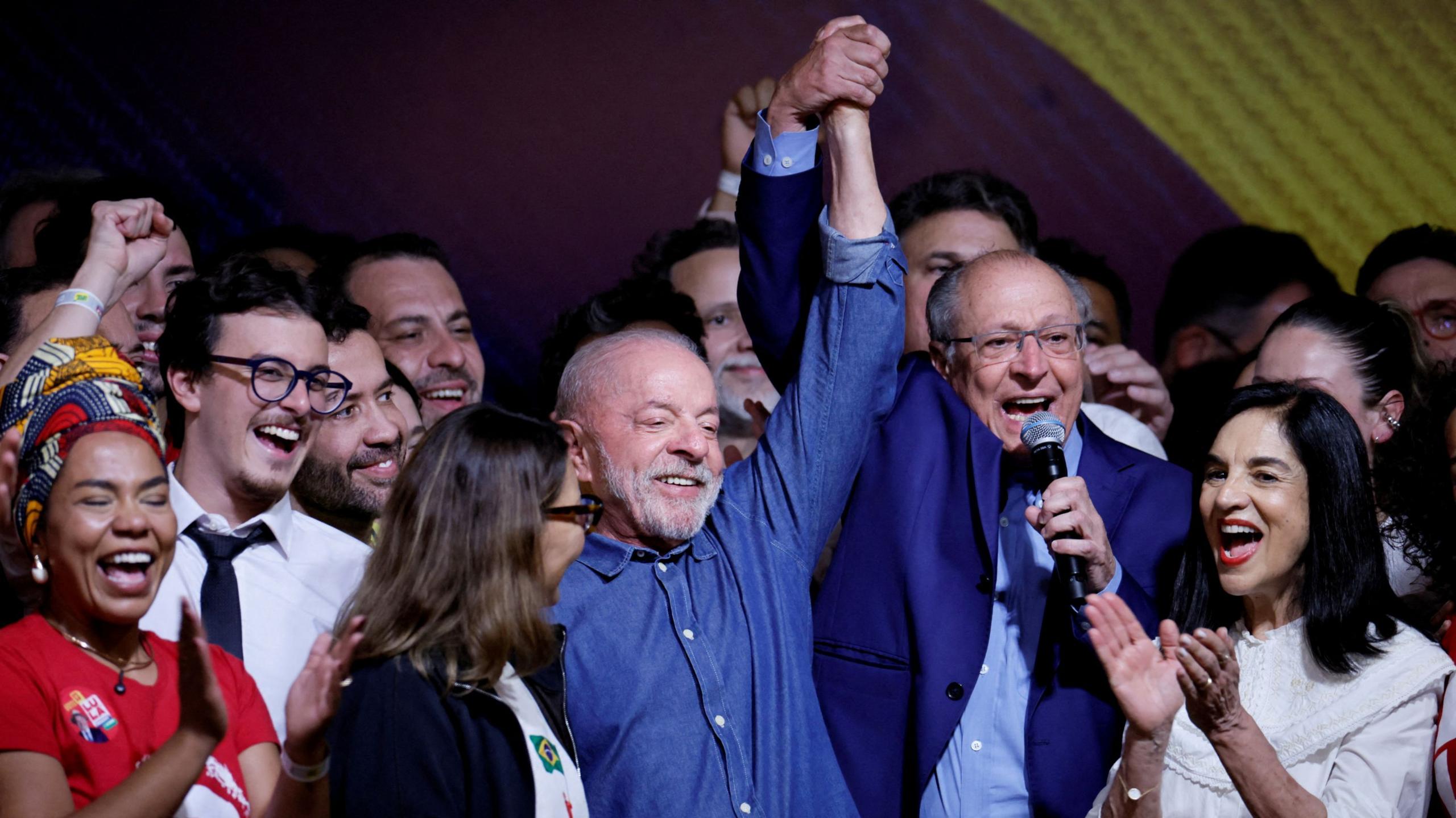
Luiz Inácio Lula da Silva captured Brazil’s presidency for a fourth term, achieving 51.79% of the vote in a stunning second-round victory over right‑wing challenger Flávio Bolsonaro. His win marks the first time a Brazilian candidate has reclaimed the office after a first-round loss since the return to civilian rule in 1985. The vote was delayed for two hours by the Supreme Court to accommodate transportation and weather challenges, yet the extended counting left no doubts about the outcome. Bolsonaro has rejected the result and called for annulment, but legal experts deem a reversal unlikely. Lula’s victory speech, delivered on São Paulo streets, emphasized a return to democratic governance and pledged greater listening to citizens, with international leaders congratulating the left‑wing leader on his success.
Brazil’s President Luiz Inácio Lula da Silva clinches a historic fourth term after an unprecedented comeback against Flávio Bolsonaro
Lula gains 51.79% of the vote, surpassing Bolsonaro’s 48.21% and securing a 4.4‑million‑vote margin. This marks the first time that a Brazilian presidential candidate has returned to the office following a first‑round defeat since 1985.
The second round was dramatically tighter than the first, in which Bolsonaro led 47% to Lula’s 45%. Voter turnout increased sharply, narrowing the abstention gap and contributing to the surprise outcome.
An emergency decision by the Supreme Court extended poll‑counting by two hours, citing transport shortages for voters in São Paulo and Bahia on Lula’s behalf, and inclement weather in southern states on Bolsonaro’s side. Courts confirmed the extension would not alter the final result and upheld Lula’s victory.
Bolsonaro has refused to accept the result, calling it “inexplicable” and “impossible” and demanding its annulment. Legal specialists, however, note the significant margin and constitutional timetable make a reversal highly unlikely.
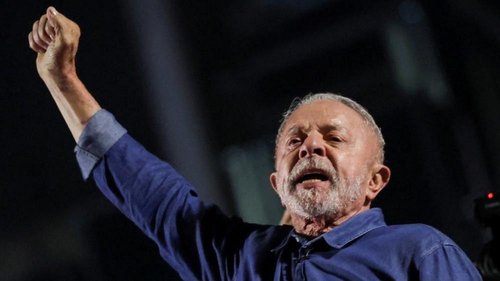
Lula’s victory address hailed a “loss for negativity, lies” and promised a presidency “in which I listen most to the Brazilian people.” He added a rebuke to external interference, declaring Brazil will no longer be “anyone’s backyard.”
Global leaders greeted the result: Ursula von der Leyen praised democracy, Pedro Sánchez welcomed the resurgence of progressive politics, and Emmanuel Macron urged cooperation for a just world. President Cyril Ramaphosa highlighted the win as a triumph for the global south.
At 81, Lula becomes the first Brazilian president to serve a fourth non‑consecutive term, with his administration set to last until 2030. The outcome signals a pivotal moment for Brazil’s political trajectory amid growing international scrutiny and domestic challenges.