PHOENIX (AP) — The legacy of César Chávez, an icon of the labor movement, is now under severe scrutiny following multiple allegations of sexual abuse that have shaken his supporters and the broader community.
Mary Rose Wilcox, a former Phoenix City Council member, found herself in shock when informed of the accusations against Chávez, who helped establish the United Farm Workers and devoted his life to advocating for the rights of farm laborers.
Her family had long celebrated Chávez’s achievements, displaying his images prominently in their restaurant. However, after learning of the allegations, she said it felt like 'a punch to the gut,' prompting her to remove his photographs and plan to cover a mural dedicated to him.
Many in the Latino community are grappling with similar feelings, trying to reconcile their admiration for a man who fought for rights with the disturbing claims now surfacing. The California Museum has indicated it will remove Chávez from the state’s Hall of Fame, a first in its history.
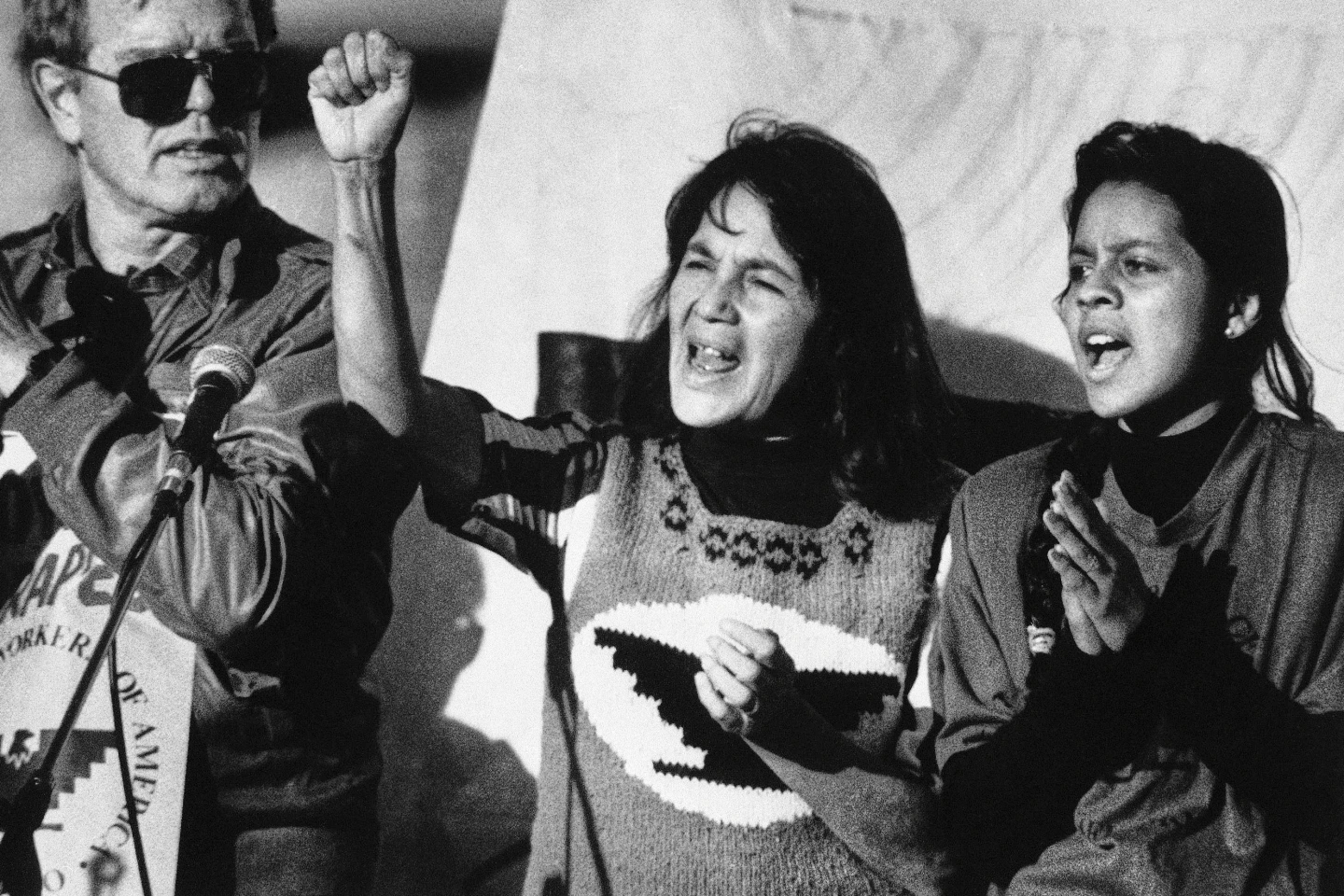
Dolores Huerta, Chávez’s fellow co-founder of the United Farm Workers, spoke out about her own painful experiences, describing incidents of manipulation and pressure that led to secret pregnancies, which she arranged to have raised by others. After 60 years of silence, she emphasized the gravity of the situation, stating she never knew other women had been hurt by Chávez.
These allegations, first reported by the New York Times, reveal a darker aspect of Chávez’s life, painting him as an abuser who allegedly groomed and assaulted multiple young women during the movement. This revelation has led to calls for a reevaluation of his legacy, with celebrations of his birthday being canceled or postponed across various cities.
Wilcox expressed that the community now faces a significant dilemma: how to honor Chávez’s contributions while acknowledging the serious allegations against him. Her statements highlighted a profound emotional conflict between the inspirational work he did and the harmful actions he is accused of.
As discussions continue, many leaders are calling for a closer examination of the movement itself, emphasizing that farmworker rights activism was built collectively, rather than a single man's legacy.