Antonio Bustamante has held a cherished watercolor of labor leader César Chávez for over 35 years in his law office in Yuma, Arizona. A young man when he first met Chávez, Bustamante was inspired to help organize workers and eventually joined his security team.
In light of recent allegations that Chávez groomed and sexually abused women and young girls, Bustamante now faces a reckoning: reconciling the man he admired with the allegations that contradict his legacy.
“I’m grappling with how I can honor his contributions while understanding these serious accusations,” said Bustamante. “It’s heart-wrenching.”
Chávez became a symbol of the fight for labor rights, co-founding the United Farm Workers union alongside figure Dolores Huerta, who herself has shared similar experiences of victimization. He led hunger strikes and notable boycotts, fundamentally altering labor rights for Mexican American farmworkers. However, the fallout from a New York Times exposé detailing the allegations has sparked significant debate about how Chávez should be remembered.
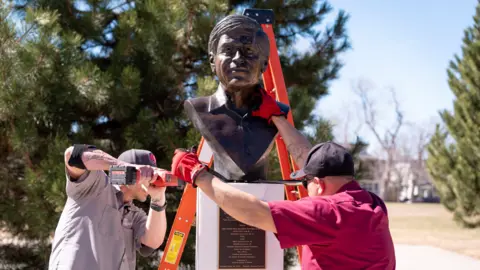
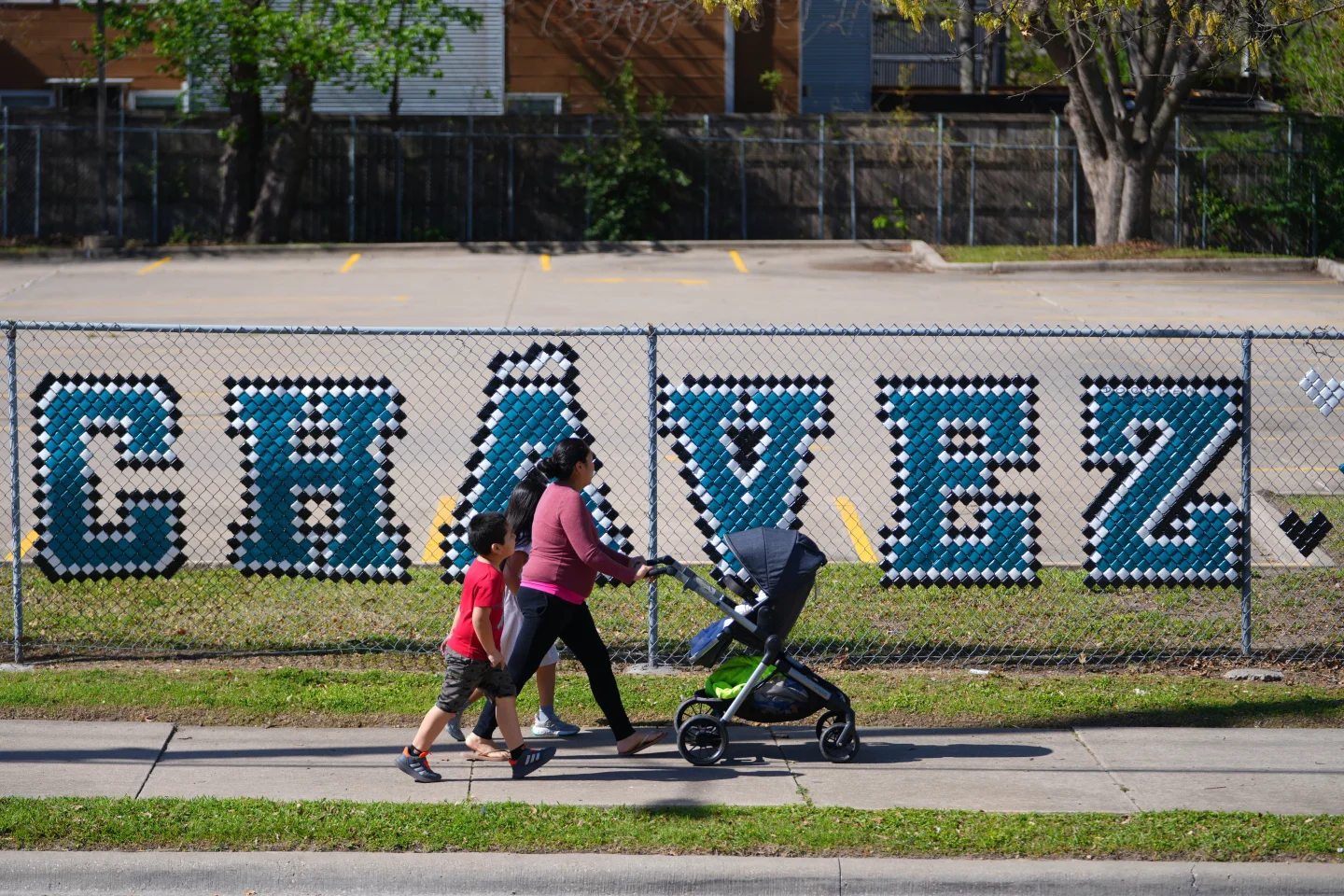
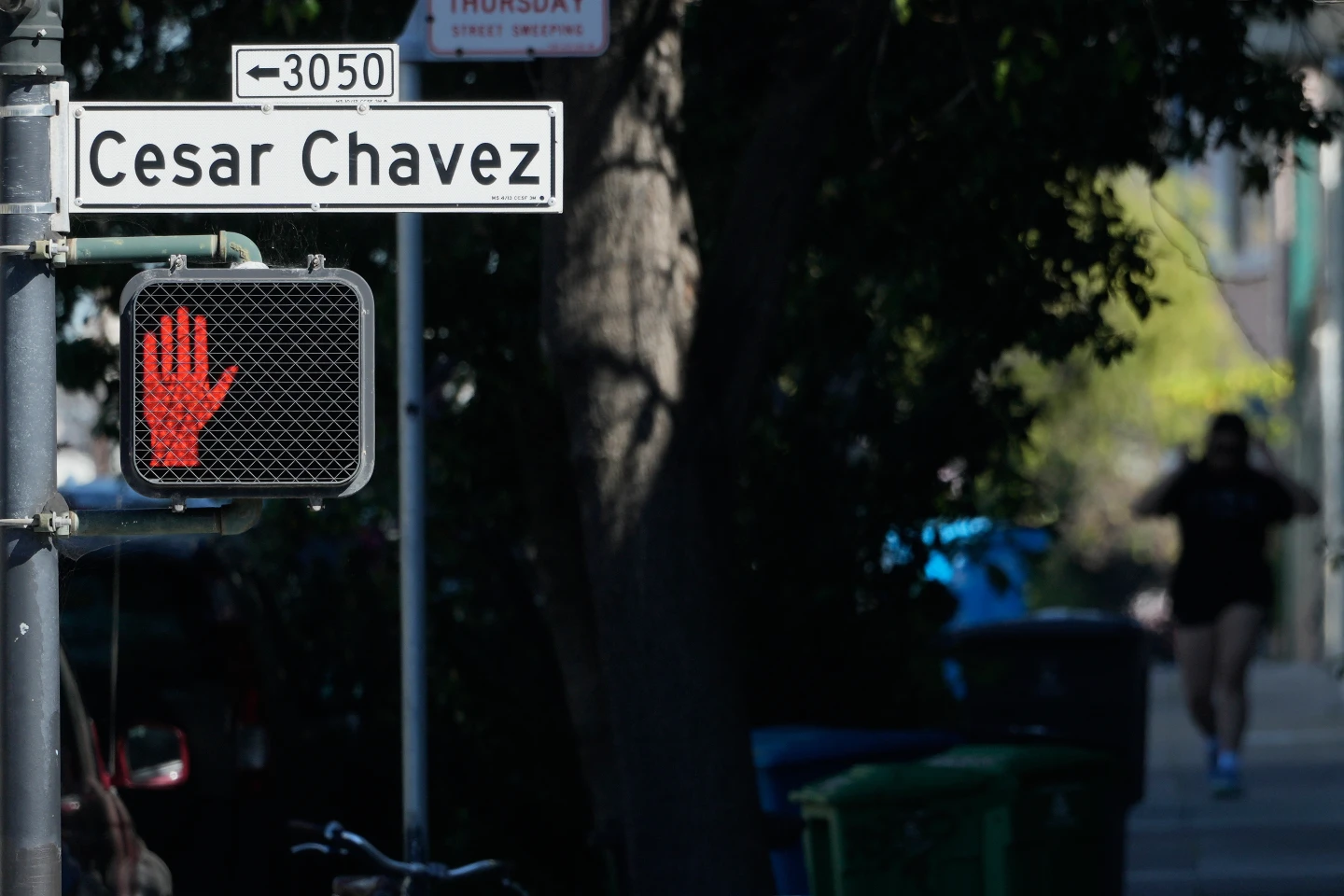
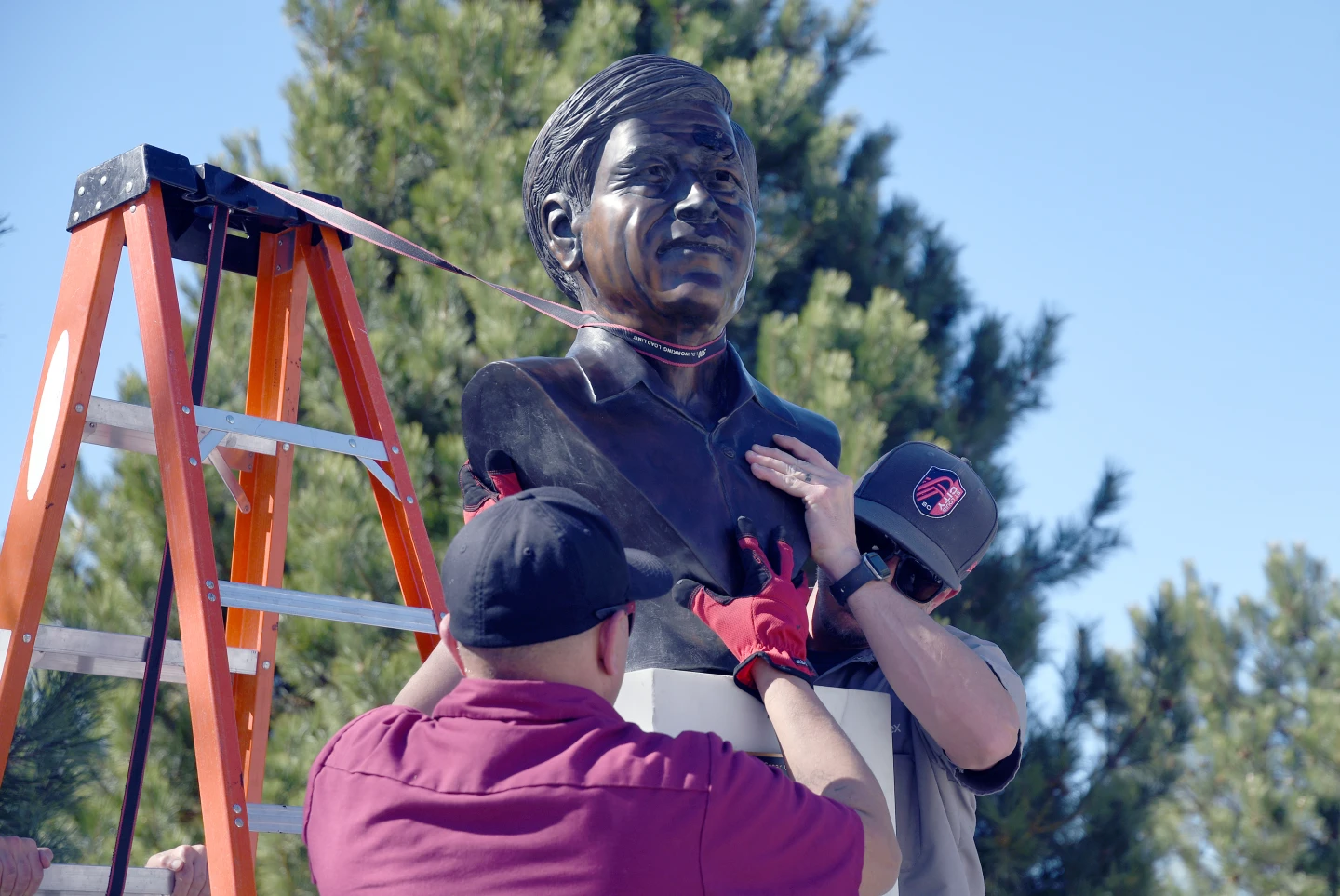
Across the nation, statues, street names, and murals bearing Chávez’s name are being removed or reconsidered as communities grapple with how to honor his legacy. Bustamante contends that many who revered Chávez are feeling deep emotional conflict as they navigate this new, complicated understanding of a man once regarded as a hero.
“For some, removing the images feels akin to denouncing Catholicism and taking down photos of the pope,” Bustamante remarked.
Confronting a Complicated Legacy
Teresa Romero, president of the United Farm Workers, highlighted the contradiction inherent in Chávez’s legacy. “His actions cannot be justified, yet his work for the welfare of farmworkers created a movement that changed lives.” Romero emphasized that while Chávez’s character is now under scrutiny, the collective effort of many activists must be equally recognized.
Sehila Mota Casper from Latinos in Heritage Conservation echoed this sentiment, stating, “The achievements of the farmworker movement belong to those who built it—not one individual. We must remember and honor their sacrifices.”
The repercussions of the allegations have been swift and severe, prompting cancellations of events and removals of tributes. Political figures have publicly condemned the abuse, with some arguing that the allegations tarnish Chávez's narrative as a celebrated figure.
Yet organizations like the Latino Victory Project argue for an ongoing focus on civil rights, asserting that the fight for justice and empowerment continues. “The legacies of collective action endure,” said Paul Ortiz, a labor history professor. “They are about people power.”
As communities reflect on Chávez's impact in light of the allegations, Bustamante emphasizes that there will forever be an 'asterisk' next to Chávez's name. “Can we honor him without dismissing the gravity of these accusations? That’s what we have to confront.”