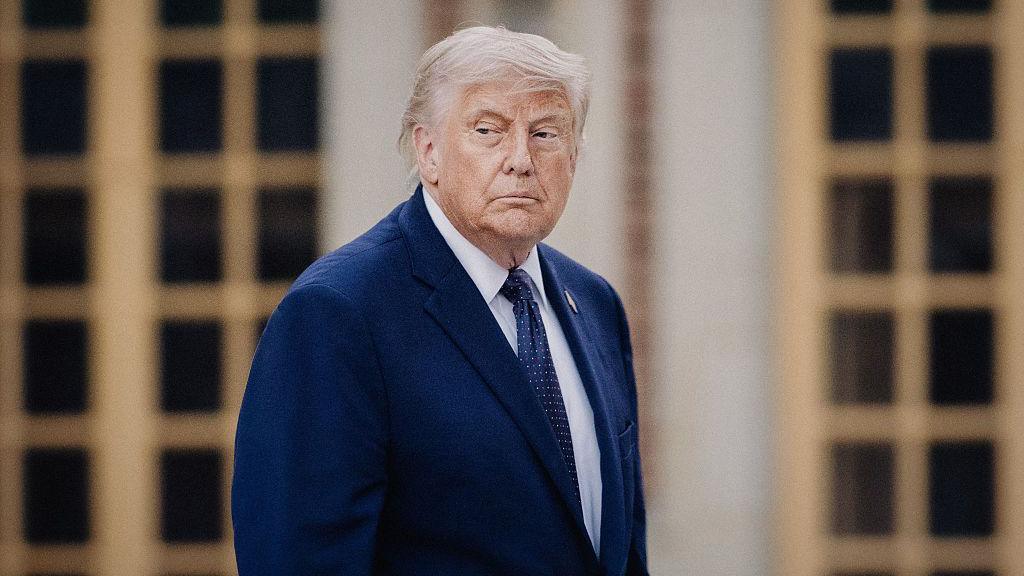
Israeli Prime Minister Benjamin Netanyahu has ordered his government to begin direct talks with Lebanon, he said in a statement on Thursday.
Netanyahu stated the focus of the talks would be on the disarmament of Hezbollah, the Iran-backed Lebanese political and militant group, and the establishment of peaceful relations.
A U.S. State Department official confirmed that a meeting is set for next week to discuss ongoing ceasefire negotiations with Israel and Lebanon.
Lebanese officials have called for a ceasefire before the commencement of talks; however, Netanyahu declared, There is no ceasefire in Lebanon, in a subsequent address.
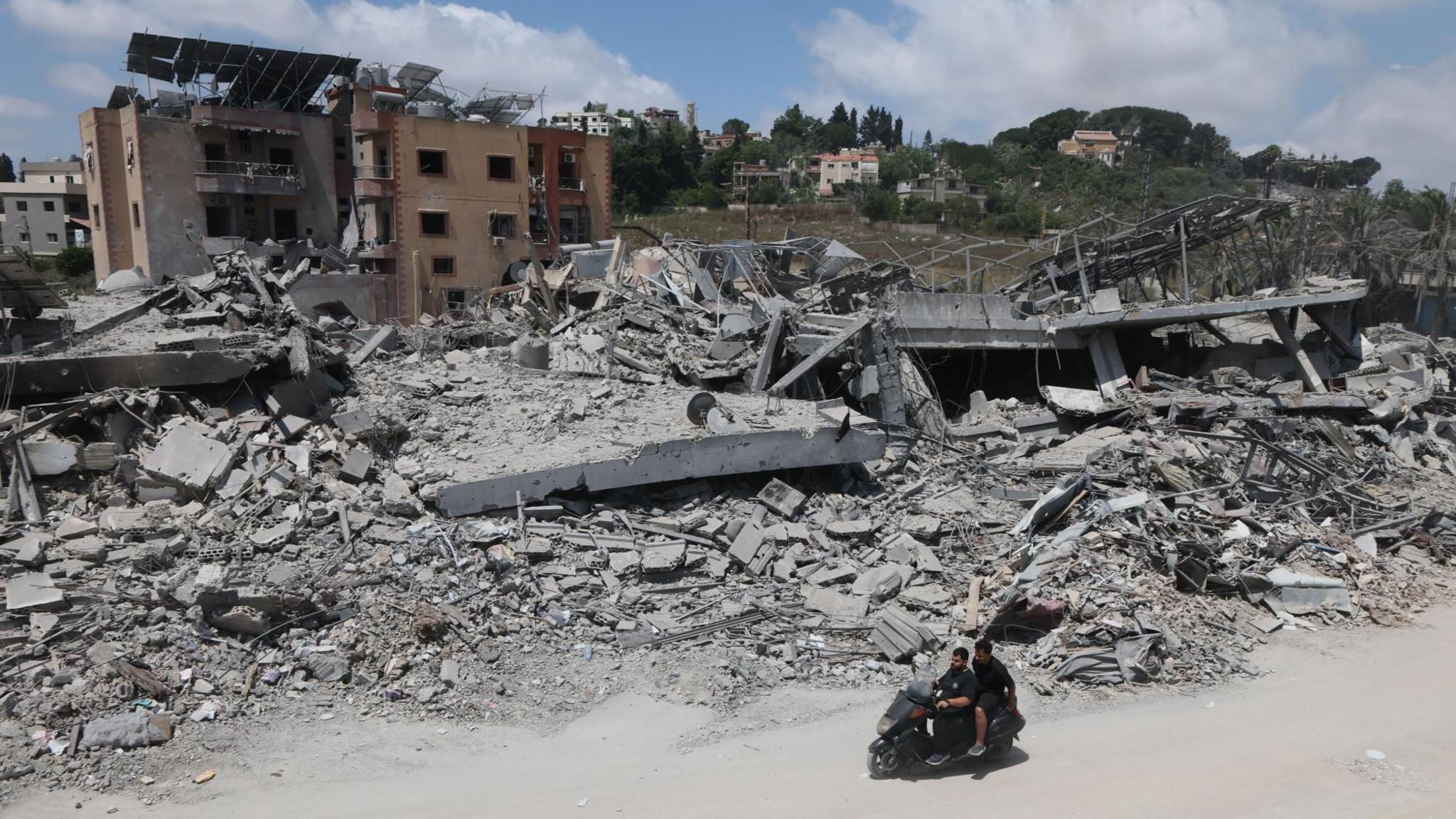
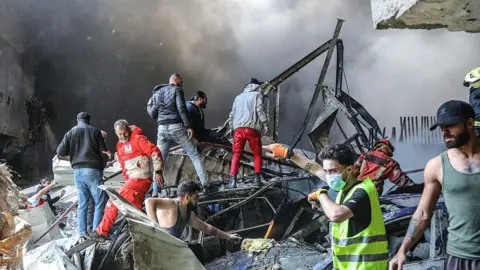
The Israeli military continued to strike Lebanon, targeting sites it claimed were being used by Hezbollah to launch rockets. Warnings were issued for residents of southern suburbs in Beirut, where heavy bombardments have occurred.
The head of the World Health Organization (WHO), Tedros Adhanom Ghebreyesus, highlighted the plight of hospitals in the Jnah area, particularly noting the operational challenges in evacuating approximately 450 patients due to ongoing military actions.
On Wednesday, Israel executed a significant bombardment campaign, hitting more than 100 targets in just a few minutes, resulting in what has been described as the heaviest strike so far during the conflict.
Hezbollah retaliated against Israeli strikes, igniting further military actions and prompting uncertainty regarding the potential for successful negotiations amidst continued violence.
The Lebanese government is struggling to control Hezbollah's military operations, which continue unabated despite a ban enacted earlier in the conflict.
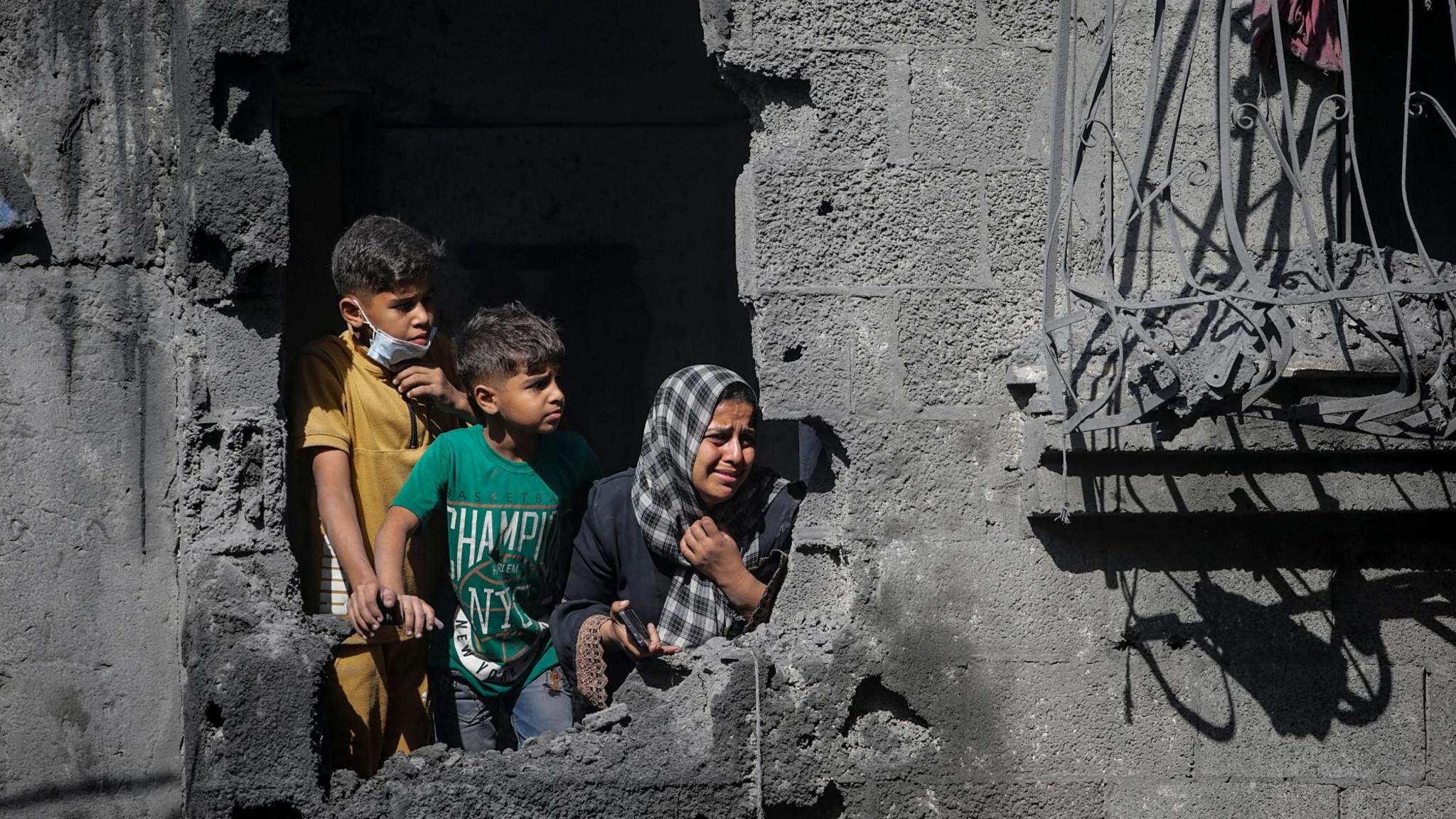
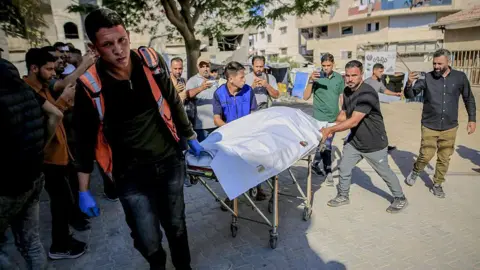
As many as 1,800 have been killed in the war so far, including a significant number of civilians, raising urgent questions about humanitarian aid and the need for immediate peace talks.
The situation remains fluid, with international mediators asserting the urgency for a ceasefire and stability in the region while Israeli forces maintain their military objectives.