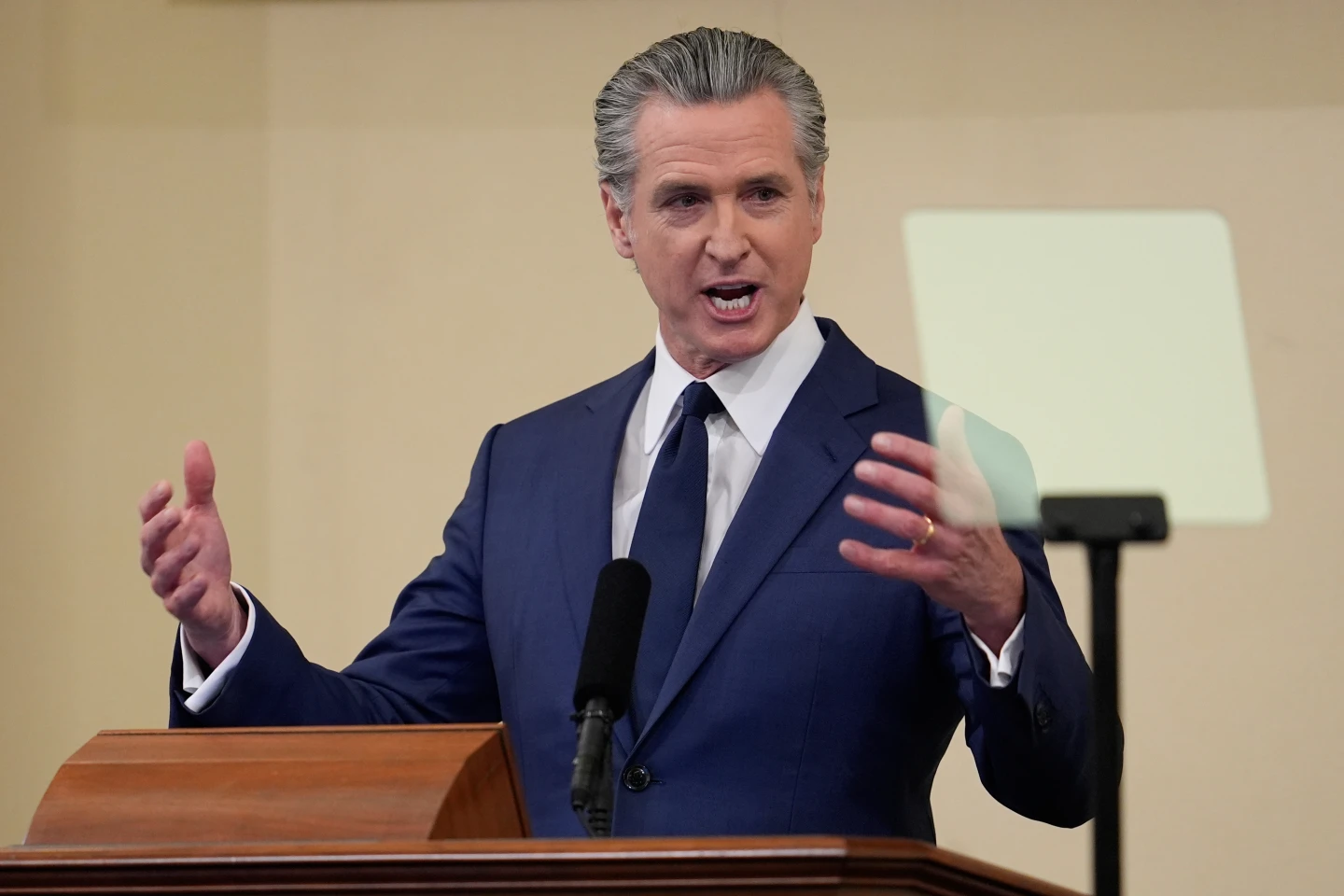
LOS ANGELES (AP) — A proposed billionaires’ tax in California has ignited a political uproar in Silicon Valley, with tech titans threatening to leave the state while Democratic Gov. Gavin Newsom maneuvers to defeat a levy that he fears will trigger an exodus of wealth.
California, a hub for technology and innovation, is home to more billionaires than any other state. The wealth generated by this elite group accounts for nearly half of the personal income tax revenue crucial to the state’s substantial budget.
The proposed initiative spearheaded by a healthcare union aims to enact a one-time 5% tax on billionaire assets, such as stocks and properties, to supplement cuts in federal funding for healthcare services. As midterm elections approach, divisions within the Democratic Party deepen, contrasting progressive ideals with fiscal realities.
Tech leaders are already considering relocating if the bill passes, with hedge fund founder Peter Thiel contributing significantly to anti-tax campaigns. The stakes are high; California’s economy is notably reliant on the top earners, and losing them could mean substantial revenue losses.
Governor Newsom, historically opposed to wealth taxes, views this proposal as detrimental to the state's competitiveness, especially as he eyes a potential presidential run in 2028. His dilemma is that while he tries to thwart the tax, the progressive wing of his party sees it as a means to combat inequality.
Amidst this political maelstrom, billionaires threaten to leave California if the tax is enacted. Elon Musk and other tech moguls have already made moves to relocate, citing California's high costs and stringent regulatory environment as primary concerns.
The outcome of the proposed tax remains uncertain, hinging on whether the healthcare union will successfully gather enough signatures to place it on the ballot. This issue represents not only a fiscal challenge but a microcosm of the broader debate around wealth disparity and fiscal responsibility in America.