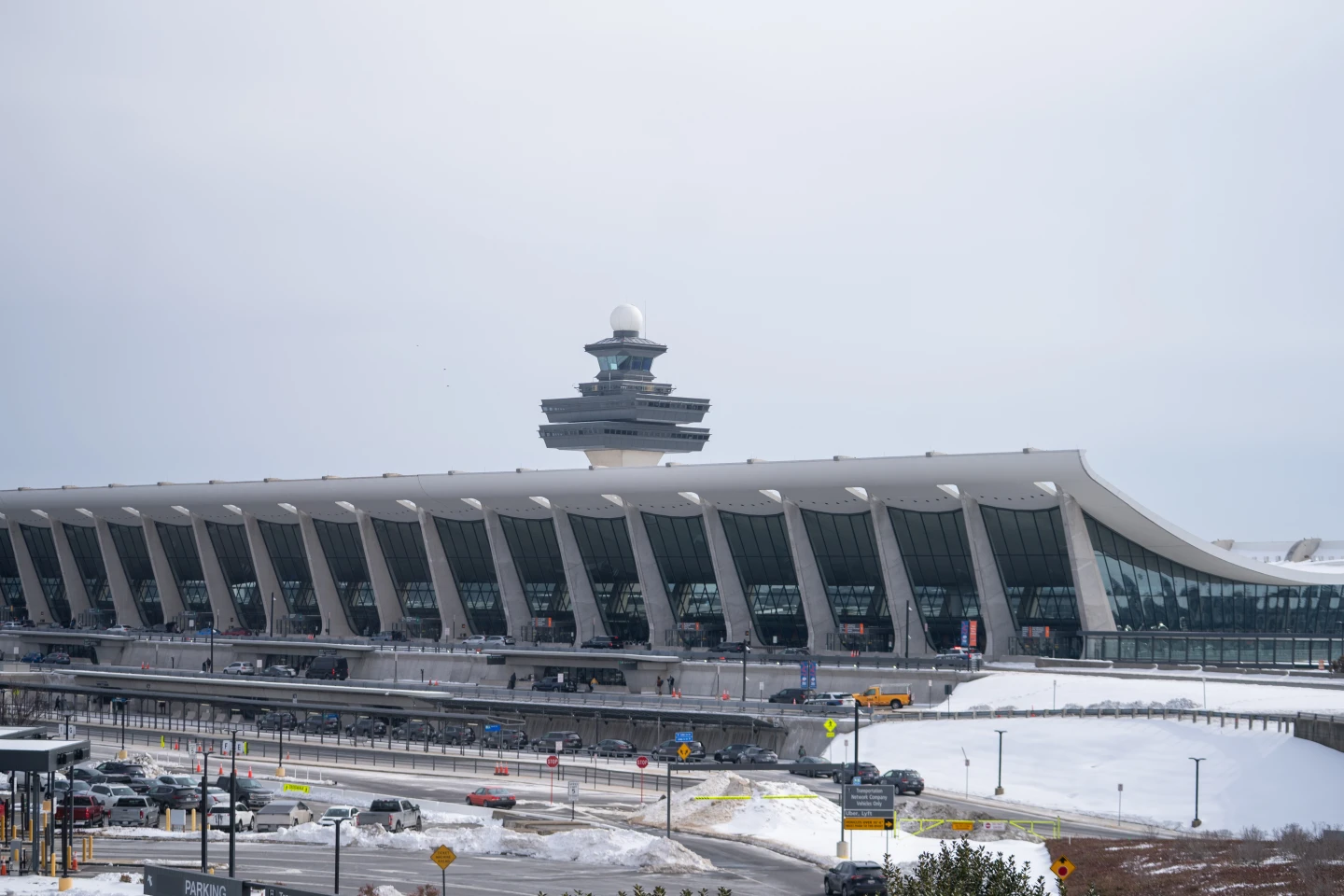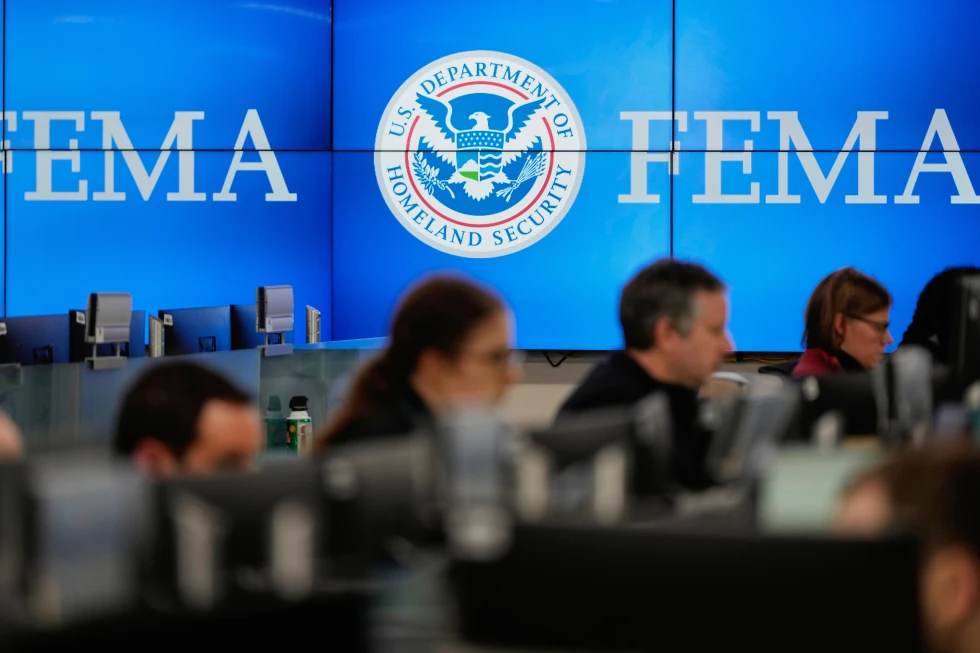
WASHINGTON (AP) — Agencies within the Department of Homeland Security could face significant operational challenges due to an impending funding lapse. Potential ramifications include delays in disaster relief reimbursements, slowed cybersecurity operations, and a possible rise in wait times at airports as the personnel responsible for passenger screening may not receive timely paychecks.
During a hearing before Congress, officials highlighted that while most of the federal government has secured funding, only a temporary measure has been passed for the Department of Homeland Security, creating uncertainty for various operational agencies.
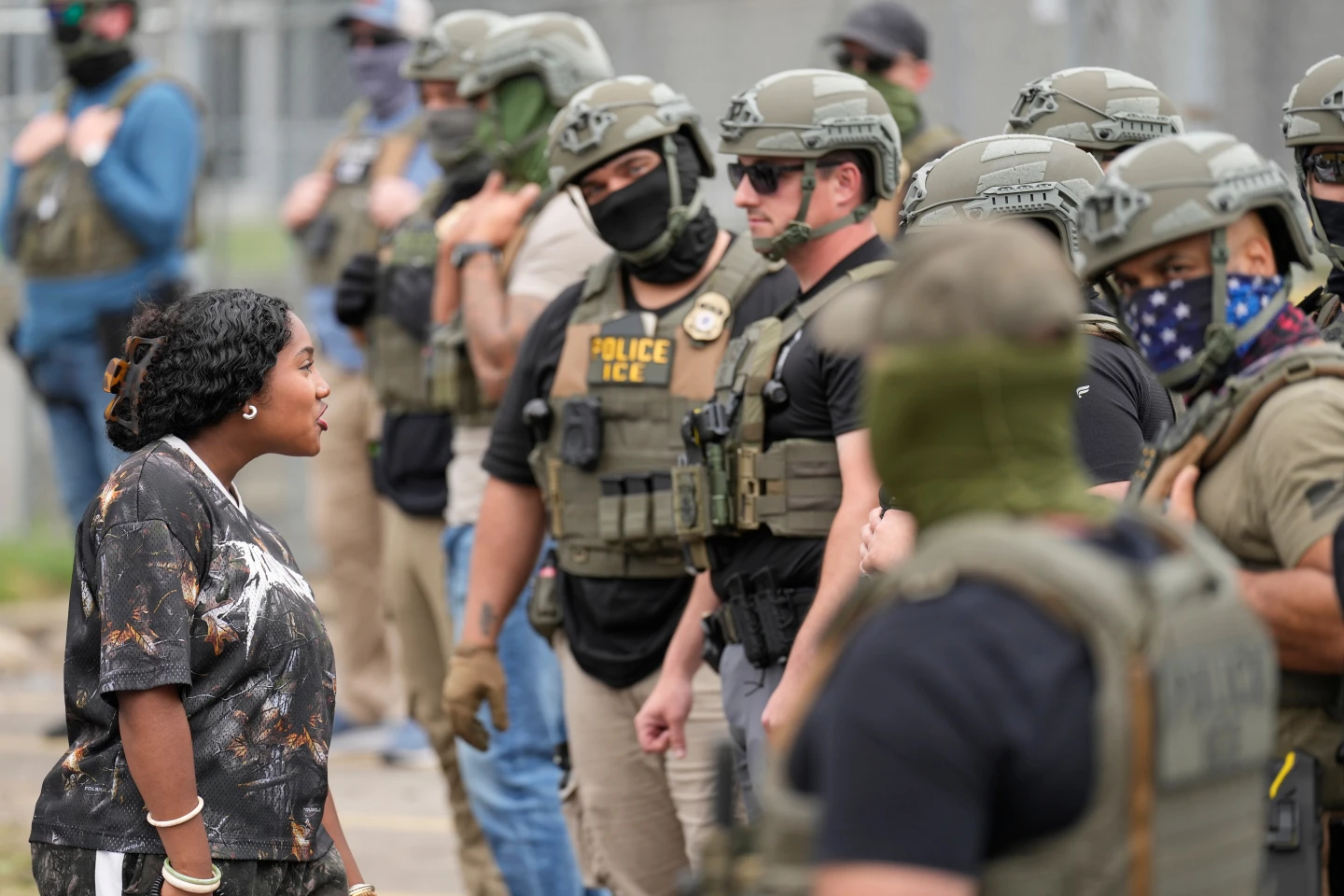
In the wake of recent tragic incidents involving ICE actions that led to the deaths of two American citizens, Democratic leaders have insisted that future funding allocations include reforms to immigration enforcement policies. Understanding and addressing the intricacies of these reforms adds to the already complex negotiations.
Disagreement remains prominent among lawmakers, with Republicans arguing that budget cuts wouldn’t affect the areas most concerning to Democrats. They reinforced that enforcement operations, including border wall construction, would persist, although agencies central to public safety, like the TSA or FEMA, could experience severe impacts from a budget freeze.
With approximately 90% of the DHS's workforce expected to continue working through a shutdown, they may face financial hardships from missed paychecks. For TSA employees, about 95% would still work without pay, compounded by the recent history of workload strain from previous shutdowns, leading to reports of officers resorting to extreme measures to alleviate their financial burdens.
Cybersecurity providers would also see their capacity reduced, undermining the government’s ability to handle online threats effectively. The acting director of the relevant cybersecurity agency remarked, 'When the government shuts down, cyber threats do not,' underscoring the persistent risks in a digital landscape.
As the situation evolves, congressional leaders stress the necessity to reconcile divergent views over immigration policies with the pressing need to secure a stable funding structure for the Department of Homeland Security.