Canada Holds Leverage in Brewing US Trade Fight
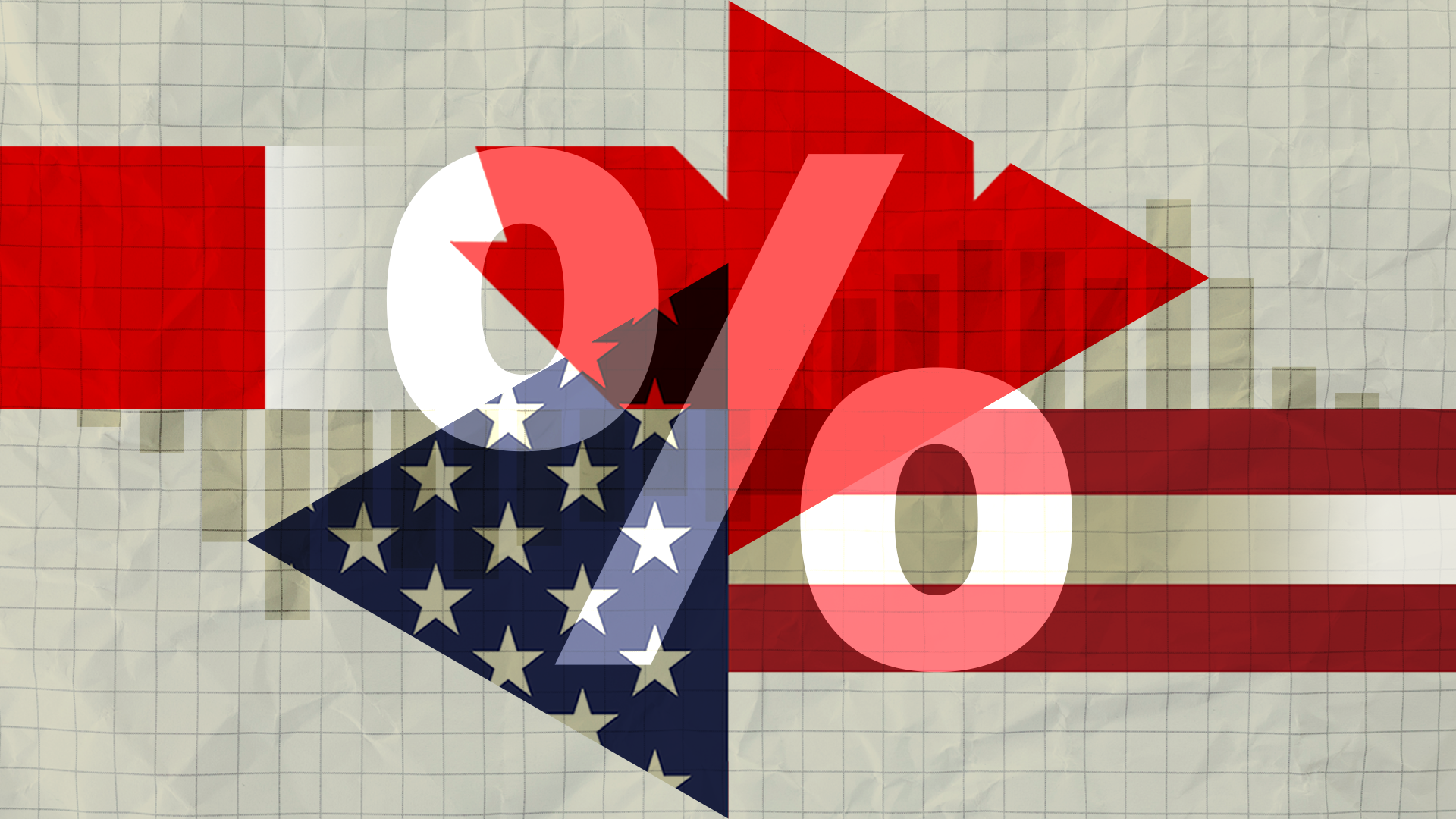
Although the United States is Canada’s single biggest trading partner, the country is far from being a passive victim in the rising tariff standoff. Recent analyses show that Canadian exports are the top or second‑rank customer for a staggering 45 of the 50 U.S. states.
In particular, Canada remains the number one buyer for 26 core states—including Maine, Michigan and Wisconsin—giving Ottawa a strategic footing when negotiating or responding to protective measures. This widespread bilateral connection means that a unilateral American tariff can ripple across a broad spectrum of Canadian industries, from automotive parts to specialty alloys.
Prime Minister Mark Carney and his cabinet are capitalising on this interdependence. By aligning Canada’s trade policy with the diverse needs of its state‑level partners, Carney can deploy targeted counter‑tactics that minimise domestic disruption while signaling a willingness to negotiate rather than confront.
In practice, this means that Canada could use its value‑added export advantages, such as high‑tech manufacturing and biodiesel producers, to counterbalance the pressure points targeted by U.S. tariffs. The result is a bluff‑but‑backed approach that preserves Canada’s industrial base without escalating to full‑blown retaliation, while also encouraging the United States to reconsider its measured approach.
The emerging picture is one where the U.S. is not simply gaining the upper hand; rather, Canada’s robust trade statistics provide multiple channels of leverage. Whether Canadian policy will pivot to a more weighty stance remains to be seen, but the current state of affairs empowers Ottawa to engage the trade conflict from a position of strength rather than mere compliance.