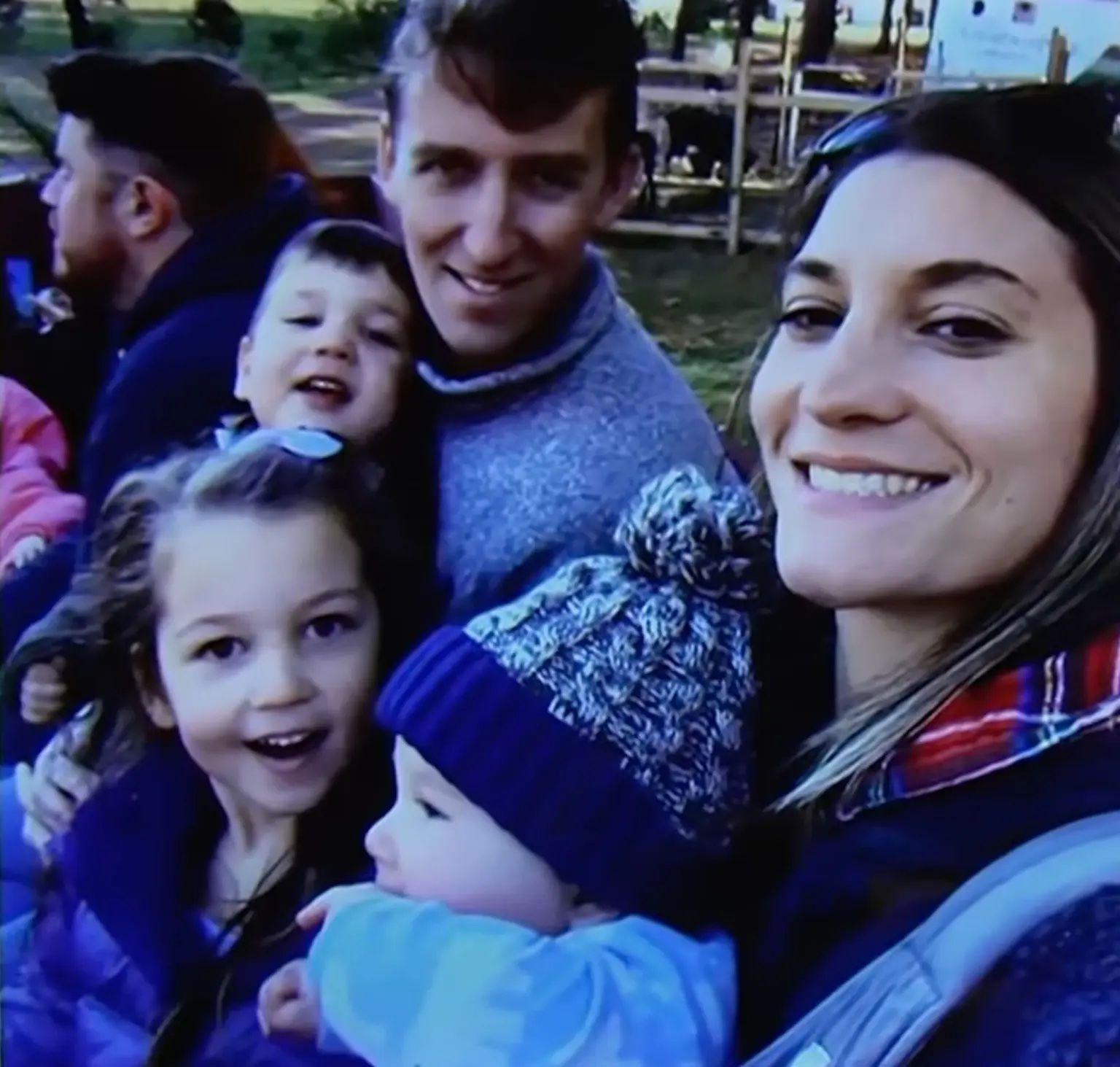
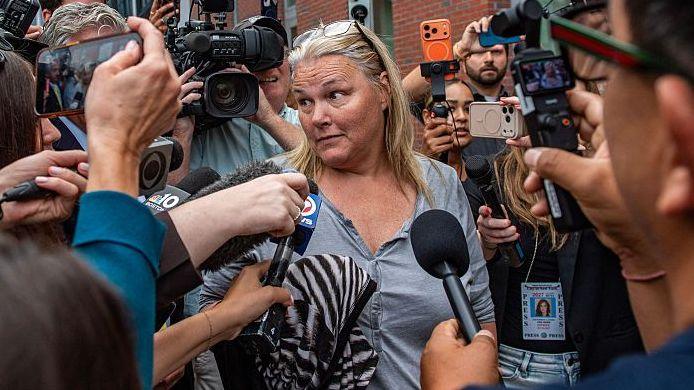
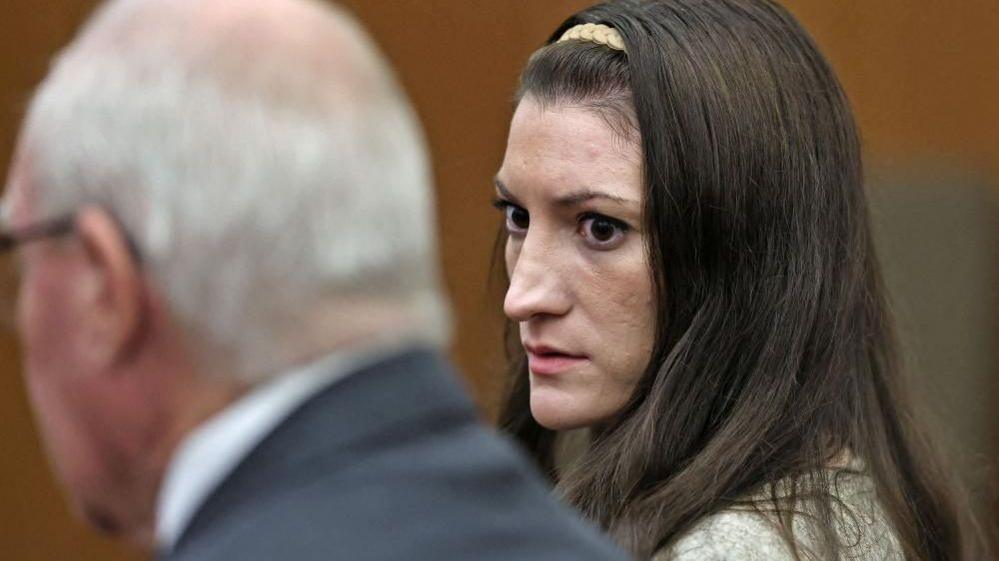
In a quiet Maine town, a mother’s alleged‑death of three children sent shockwaves across America. The case, which began in 2023, has unfolded in the public eye as a sensational legal drama that tested the limits of motherhood, mental health and the criminal justice system.
The Mistrial Decision
A Massachusetts judge today declared a mistrial in the murder case against Lindsay Clancy because the 12‑member jury could not reach a unanimous verdict. The judge’s ruling came after a heated deliberation that spanned several days, during which jurors expressed deep disagreement over whether Clancy was criminally responsible for the deaths.
Allegations and Challenges
Clancy faced three counts of first‑degree murder, and while she does not deny that the children were killed in 2023, she pleaded not guilty. Her defense team argued that she was suffering from postpartum psychosis, a severe mental‑health condition that can impair a person’s capacity to understand the consequences of their actions.
Media Fascination and Public Debate
Through the five weeks of trial coverage, the case became a national conversation. Media outlets, social media, and public forums debated whether the justice system should hold a person with postpartum psychosis criminally liable. The trial’s intensity highlighted the need for clearer legal standards when mental illness intersects with violent crime.
Next Steps
With a mistrial declared, the prosecution will reconsider its strategy, and Clancy’s legal team may push for a new trial or negotiate a plea. Meanwhile, the case continues to serve as a touchstone for discussions about mental health jurisprudence and the rights of defendants with severe psychiatric disorders.