On the face of it, the announcement of phase two of President Donald Trump's peace plan for Gaza would seem like progress. But there remains a huge lack of clarity and detail about the future of the strip and the 2.1 million Palestinians who live there. Furthermore, there are many pitfalls.
First, Trump's plan demands that Hamas, as well as other groups in Gaza, agree to disarm. Announcing phase two of the deal, the US Special Envoy to the Middle East, Steve Witkoff, stated that failure to comply would bring serious consequences. However, Hamas has adamantly refused to give up its weapons, which they consider essential to resistance against years of Israeli military occupation.
If Hamas maintains this stance, hawkish members of Israeli Prime Minister Benjamin Netanyahu's government are eager to reignite conflict. Despite suffering significant losses, US intelligence suggests that Hamas may have actually recruited more members than it has lost during the ongoing war.
The current ceasefire, established last October, is already fragile, with accusations of repeated violations from both sides. The Hamas health ministry reports over 450 Palestinian casualties from Israeli strikes since the ceasefire, while the Israeli military claims three of its soldiers have died due to attacks by Palestinian armed groups.
Secondly, details around Israeli troop withdrawal from Gaza are vague. Israel has given no signs of pulling back completely, citing the need to maintain security in the region. Officials speak of establishing a 'new reality' in Gaza, implying that things will not revert to pre-conflict conditions.
Then there is the governance question: who will manage Gaza if Hamas is ousted? There has been talk for over a year about an International Stabilization Force to provide security, with candidates including Egypt, Turkey, the UAE, Qatar, and the West Bank-based Palestinian Authority. However, no country has committed, and the lack of clarity remains problematic.
Under Trump's plan, governance in Gaza will reportedly consist of a technocratic government comprising individuals from civil society. Members of this new government have been announced, with Hamas agreeing to exclude itself. Higher oversight will come from an Executive Committee based outside Gaza, likely to include non-Palestinians, provoking distrust amongst locals.
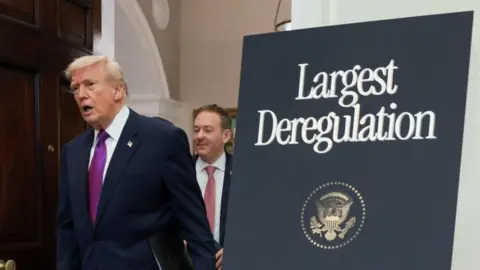
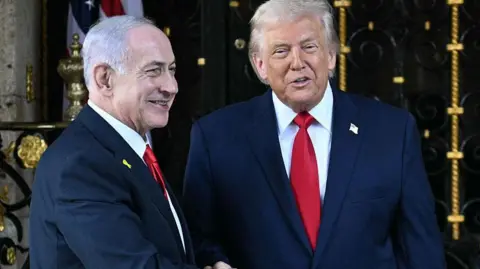
At the top will be a Board of Peace, chaired by Trump himself, with other international leaders potentially involved. Many Palestinians perceive this structure as neo-colonialism, questioning whether they will have a say in their governance.
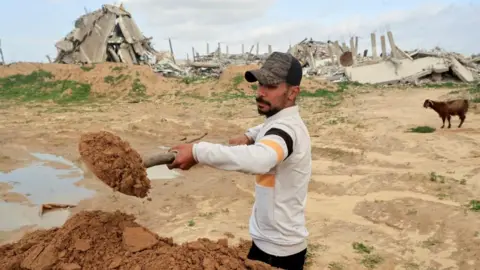
The humanitarian situation in Gaza is dire. Although the ceasefire has allowed for some humanitarian aid, it is insufficient. Hundreds of thousands remain homeless and live in makeshift accommodations, enduring harsh winter conditions of rain, wind, and low temperatures leading to flooding and structural collapses.
As the region grapples with these challenges, the question remains: Will phase two of the peace plan bring genuine progress, or do these complexities signal more trouble ahead for Gaza and its people?