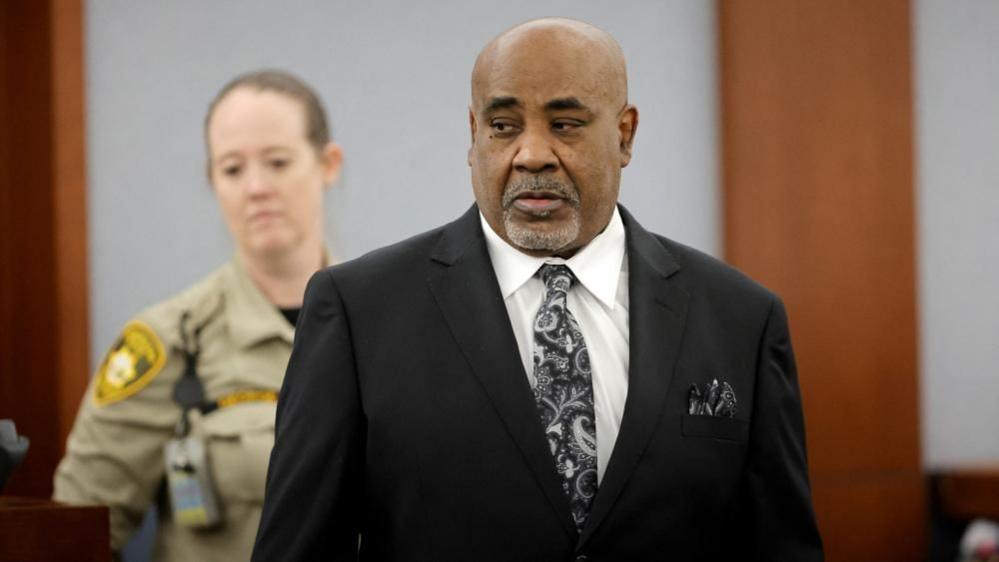
CHICAGO (Civitas) — A Chicago carpenter stands accused of using Snapchat to issue a $10,000 bounty on the life of a high-ranking Border Patrol commander, with the outcome of the case now resting in the hands of a federal jury.
Juan Espinoza Martinez, 37, faces a single count of murder-for-hire in what marks the first criminal trial linked to a recent immigration crackdown in the Chicago area. This case comes amid a broader national debate on immigration enforcement and the credibility of federal operations.
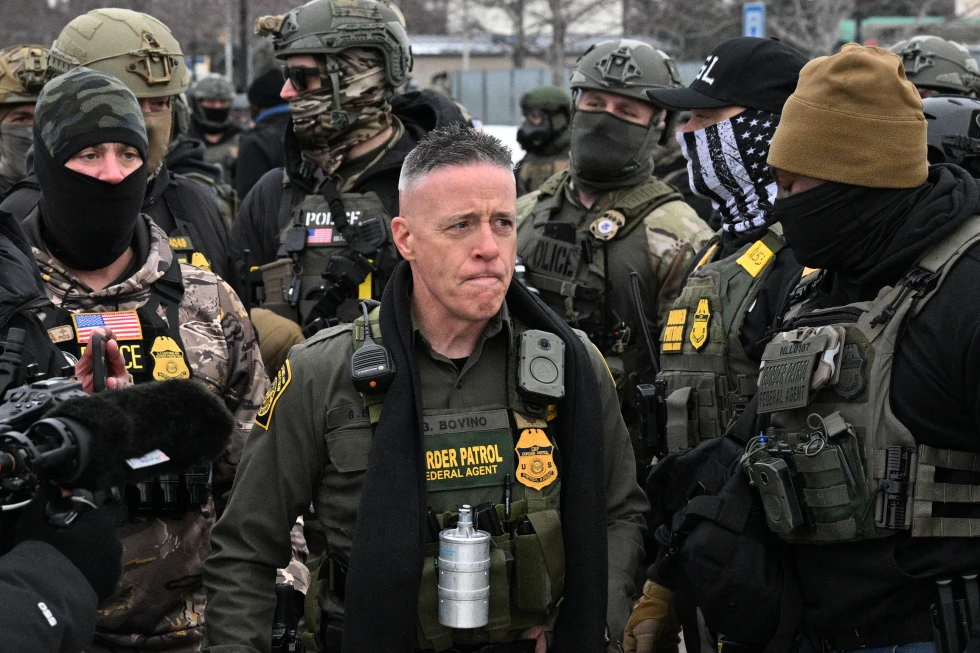
The prosecution highlighted Snapchat messages exchanged by Espinoza Martinez sent to his younger brother and a friend who turned out to be an informant. One of these messages stated, “10k if u take him down,” alongside a photo of Commander Gregory Bovino, known for his stringent enforcement actions.
“Those words do not indicate that this was a joke,” argued First Assistant U.S. Attorney Jason Yonan. “They are not innocent and harmless.” Meanwhile, the defense contended that the messages were part of light-hearted neighborhood banter, asserting that the prosecution had failed to demonstrate substantive evidence of any intent to commit a crime.
“It’s neighborhood gossip,” defense attorney Dena Singer maintained. “It’s not murder for hire.”
If found guilty, Espinoza Martinez could face a decade in prison. The jury has heard arguments about his mental state at the time he sent the messages, including his claims of confusion and non-commitment to the threats posed in the exchanges.
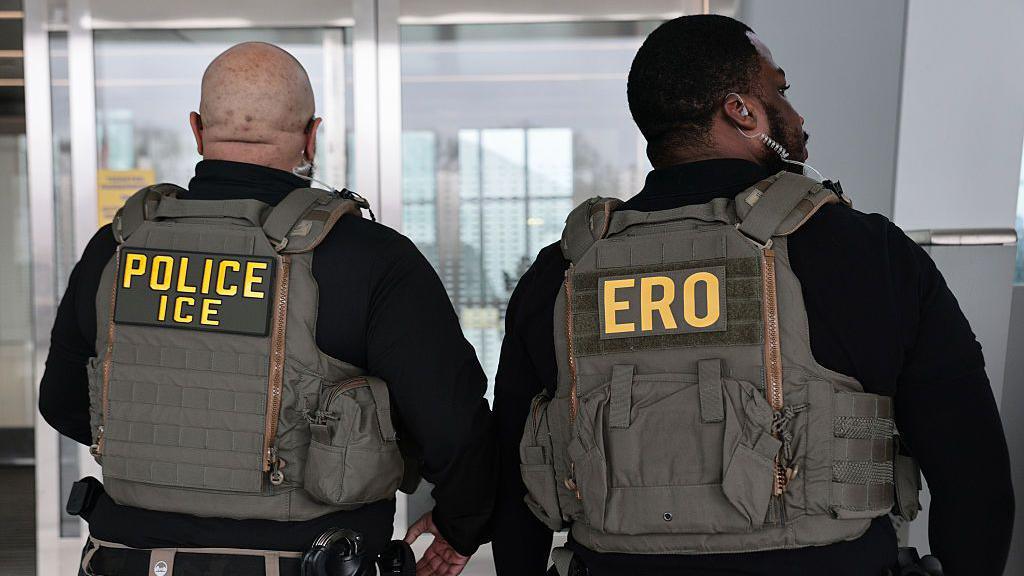
As the case unfolds, it showcases the tense intersection of local communities with federal immigration policies amidst rising discontent throughout the city of Chicago and its surrounding neighborhoods, especially those heavily populated by Mexican immigrants. Espinoza Martinez's arrest and trial become symbolic of the scrutiny and challenges faced by many within immigrant communities in today's political climate.
His defense team pointed out inconsistencies in the government’s case, including claims that Espinoza Martinez was judged in connection with gang affiliations, which the presiding judge ruled to be unsupported by credible evidence.
The trial continues, with the potential implications reaching far beyond the verdict, highlighting the controversial landscape of immigration enforcement in America.