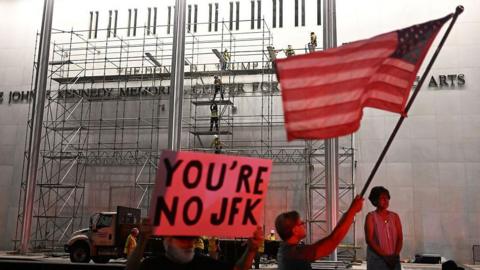
Republican lawmakers are starting to break with the Trump administration over its immigration crackdown in Minneapolis, as the party scrambles to respond to growing public anger after two US citizens were killed by federal agents.
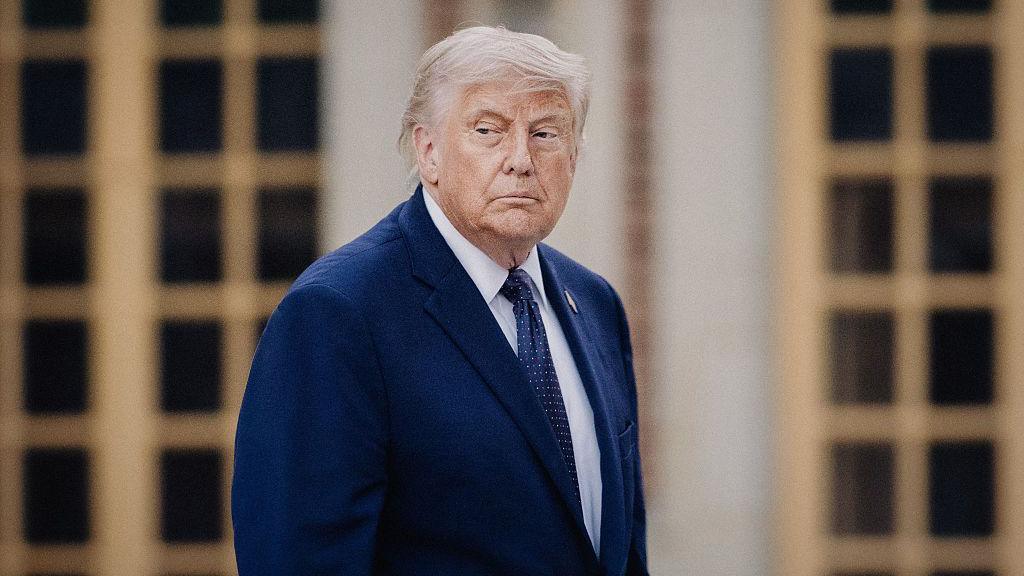
But even as some Republicans in Washington speak out against the fatal shootings, they've avoided directly criticising President Donald Trump or his broader immigration agenda.
The emerging messaging on Minneapolis points to the party's main dilemma heading into the midterm elections: whether and how to distance itself from the biggest controversies of Trump's second term, while running on his overall record on immigration and other issues - a record that's popular on the right, and that most Republicans helped push through Congress.
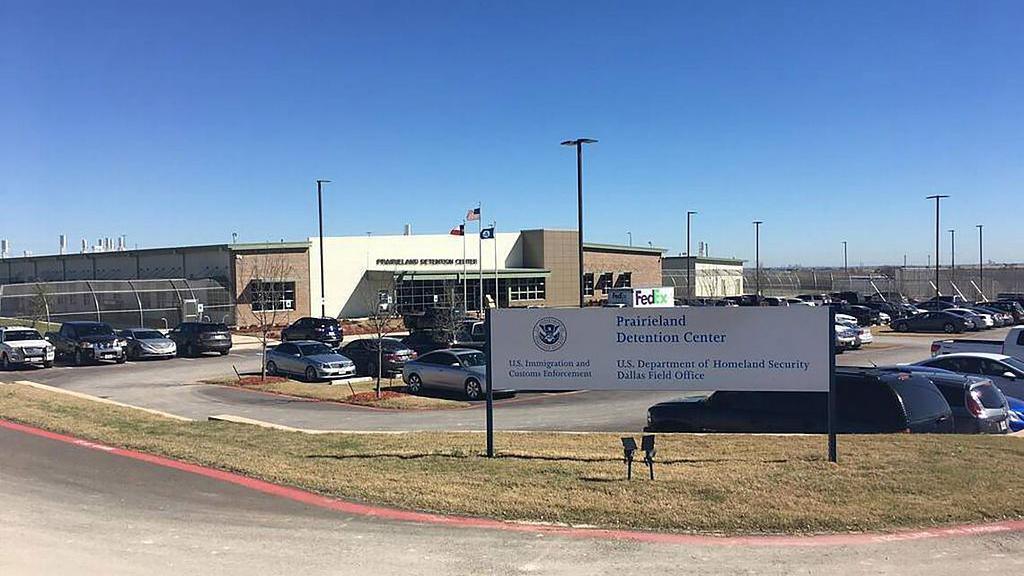
So far, Republicans have focused criticism on US Immigration and Customs Enforcement, or ICE - the agency at the forefront of the Minneapolis operation - and other agencies within the Department of Homeland Security taking part.
Last year, the Republican-controlled Congress approved roughly $45 billion for border security and additional funding for interior enforcement to help the administration carry out Trump's plan to deport millions of undocumented migrants from the country.
A recent poll showed that 61 percent of Americans believe ICE's tactics have gone too far, prompting some Republican senators to demand oversight and accountability related to the agency's actions in Minnesota.
Prominent figures like Senator Rand Paul have called for testimonies from ICE leaders amidst growing scrutiny, while moderate Republicans like Lisa Murkowski have expressed their concerns regarding the appropriateness of ICE's actions.
As the crisis unfolds, Trump has begun to adjust his rhetoric in light of public backlash. After labeling a shooting victim a 'gunman', facts emerged that countered this narrative, prompting the President to soften his tone and seek to de-escalate the situation in Minneapolis.
This complex reaction from Republicans demonstrates the conflicting pressures they face — balancing voter concerns about federal force while retaining their support for Trump's immigration policies. Moving forward, the party's direction as it pertains to immigration will be critical leading into the upcoming midterm elections.