The Trump administration has quickly abandoned its familiar deny and attack playbook after initially using it when federal agents shot dead Alex Pretti in Minneapolis on Saturday morning.
Within 24 hours, as various videos of the shooting circulated online, it became clear that the White House was out of step with public opinion.
Since then, the administration – and the president himself - have changed tack, blaming Democrats for what happened and focusing less on the actions of the American nurse who was killed.
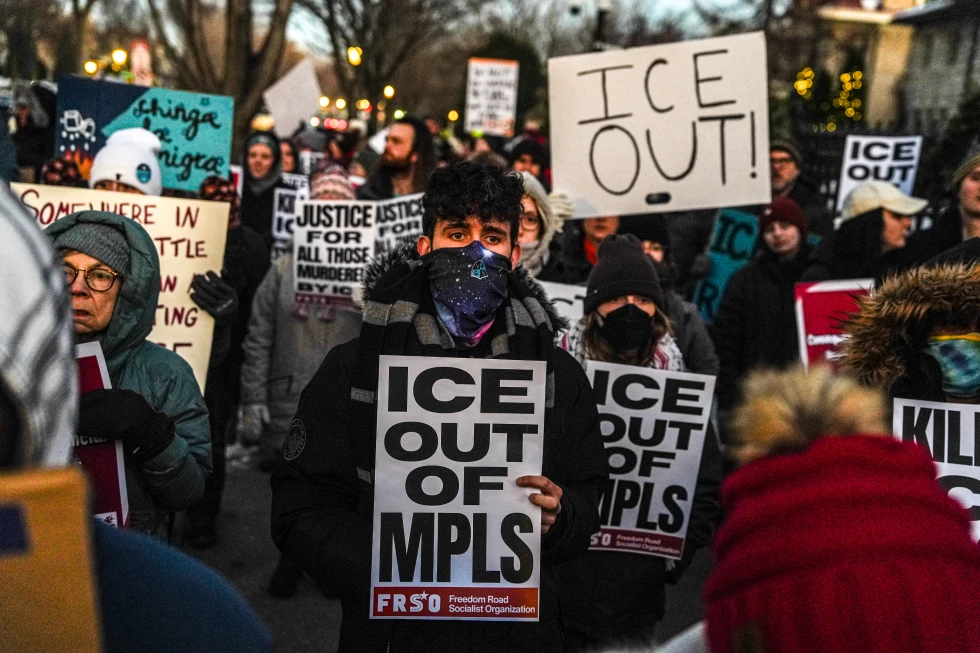
Democrats, meanwhile, have increased their criticism of the president's mass deportation policy and the aggressive tactics of Immigration and Customs Enforcement (ICE), leaning into a political fight that could result in a new government shutdown on Friday.
On Monday morning, Deputy Attorney General Todd Blanche described the situation as a powder keg. While he blamed the Democrats, many on both sides of America's political divide will agree that the current situation is fraught with peril.
The initial administration response to Pretti's death was straightforward. The 37-year-old was portrayed as a domestic terrorist bent on bloodshed.
Homeland Security Secretary Kristi Noem said that Pretti wished to inflict harm and was brandishing a weapon. US Border Patrol Commander Gregory Bovino said that it looks like a situation where an individual wanted to do maximum damage and massacre law enforcement.
Senior presidential adviser Stephen Miller called Pretti a would-be assassin.
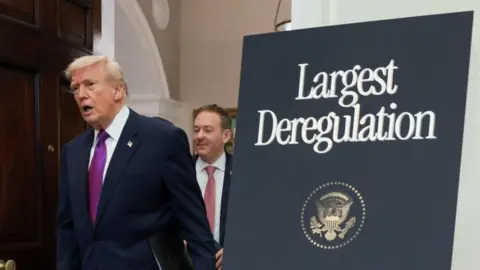
This White House has typically been quick to push back when criticized. Deny and attack has long been a bedrock Trump strategy for handling adversity.
However, White House Press Secretary Karoline Leavitt refused to echo Miller's comments herself on Monday when pressed on whether the president agreed with his senior adviser. Instead, she said a full investigation would be carried out.
It was a notably more muted tone than that struck immediately after the shooting.
Multiple videos contradict many of the administration's initial claims, showing Pretti filming ICE agents with his mobile phone and helping a woman who was pushed over before both are pepper-sprayed. Pretti is not holding a gun when he is wrestled to the ground.
DHS alleges Pretti had a 9mm semi-automatic handgun and two magazines of ammunition. Local police state he was a legal gun owner.
Republicans in Washington have also voiced concern regarding the administration's handling of the situation, with Vermont Governor Phil Scott calling it a failure of coordination and training. In Congress, some Republicans called for new oversight.
Since Sunday night, the White House has noticeably altered its tone. Veteran's Affairs Secretary Doug Collins offered condolences to the Pretti family, and President Trump posted comments labeling the incident as tragic.
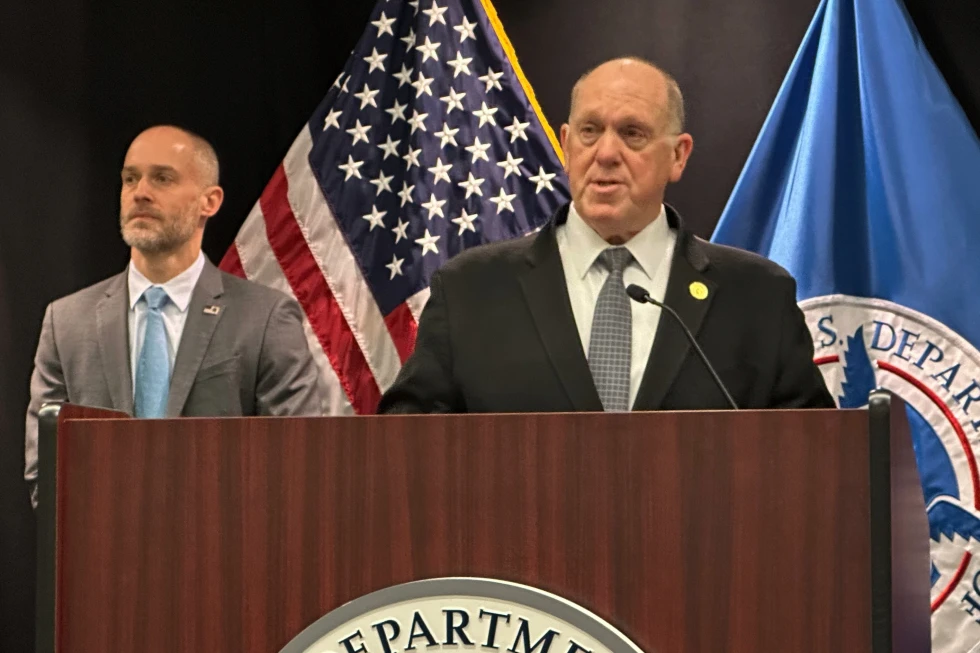
Trump's move to dispatch border czar Tom Homan to Minnesota to oversee the law enforcement efforts reflects perhaps a change in presentation aimed at addressing public sentiment regarding immigration enforcement.
While President Trump and Minnesota's Governor Tim Walz appear to be on the same wavelength now, many congressional Democrats are firm in drawing lines against the administration's policies. Some have announced their intentions to block DHS funding measures amidst rising public outrage over ICE's actions.
The evolving narrative surrounding the shooting and subsequent political maneuvers highlight the precarious state of immigration policy and law enforcement in the U.S., with high stakes for both parties ahead of upcoming elections.