In brief
In a rapid response to a viral clip of cabbages dipped in a formaldehyde solution, officials in Hebei province opened a formal inquiry. The chemical, banned for food preservation due to its carcinogenic potential, was identified on raw produce transported to markets across China. Police have detained those involved and are conducting market checks nationwide to prevent spread. Industry experts condemn the practice as a threat to public health and demand stricter enforcement. The incident highlights China’s role as the world’s leading cabbage producer and the importance of food safety regulations.
Authorities in China have launched an investigation following reports that formaldehyde, a cancer‑risk chemical, is being used to preserve cabbages for export.
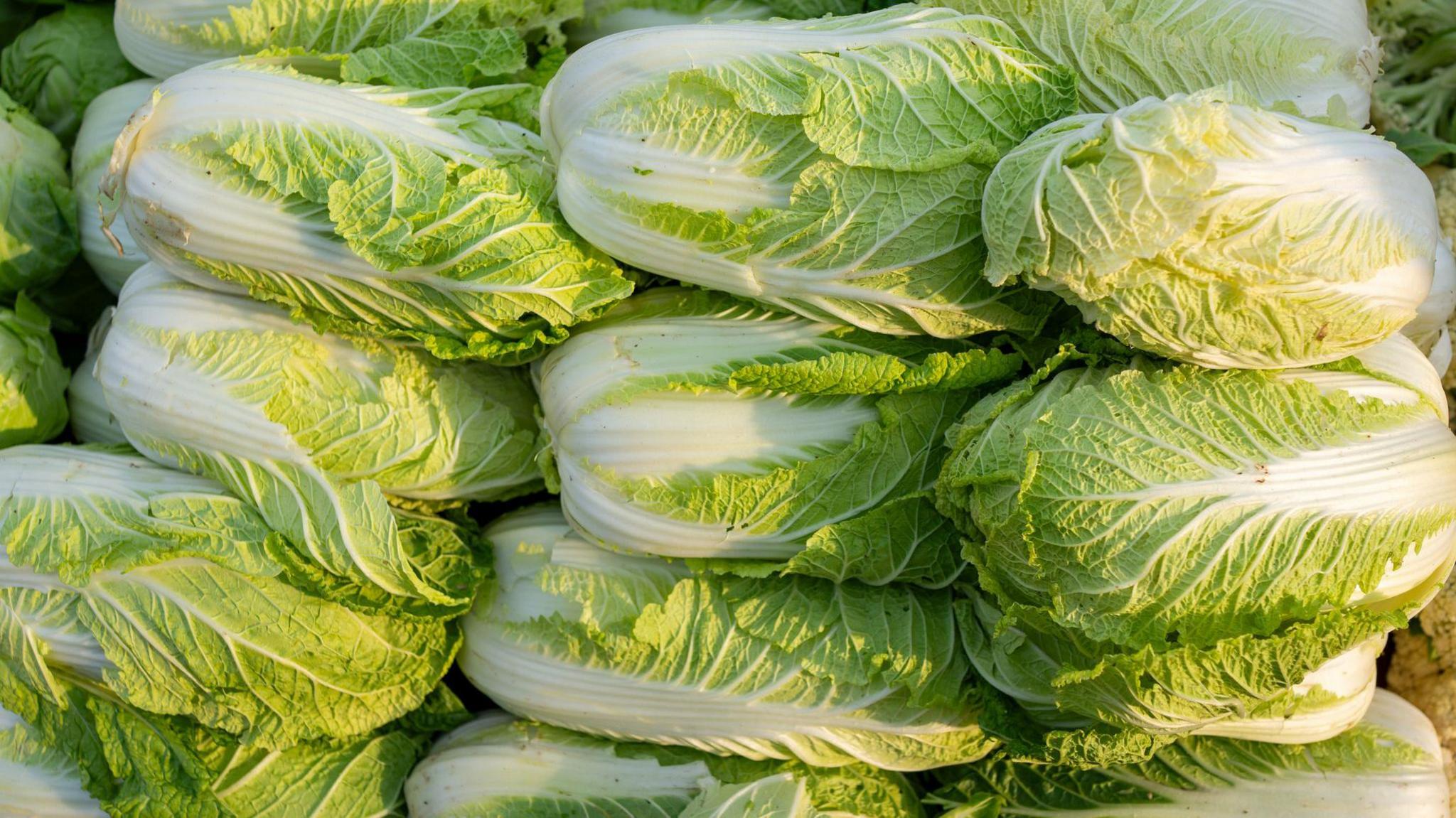
The investigation began after officials in Hebei province confirmed that video footage showed farmers dipping cabbages in a formaldehyde solution before loading them onto trucks.
Formaldehyde is strictly prohibited for food preservation in China; its use poses health risks to consumers and undermines food safety standards.
China is the dominant global producer of cabbages, exporting millions of tonnes to markets across Asia, making this discovery particularly consequential for both domestic consumers and international trade partners.
Police have arrested the individuals involved, and prosecutors are set to enforce penalties under the law to secure the food supply chain.
To quell public anxiety and restore confidence, officials are conducting spot checks in markets nationwide, aiming to trace the reach of the contaminated produce and ensure that affected vegetables are removed from circulation.
Local authorities in Kangbao county stated that any non‑compliant activity would be dealt with strictly, emphasizing the importance of consumer safety.
In Beijing, the Xinfadi market—one of the city’s primary fresh‑produce hubs—confirmed that its supplies were unaffected, having investigated the origin of its cabbages.
Media coverage of the incident has been extensive, with commentary from the People's Daily condemning wholesalers for prioritizing profit over public health.
China’s yearly cabbage output exceeds 30 million tonnes, roughly half of the world’s total. Major export destinations include Vietnam, South Korea and Russia.
While formaldehyde exposure in high doses is linked to cancer, the impact of lower levels found in food items remains uncertain, according to the American Cancer Society.