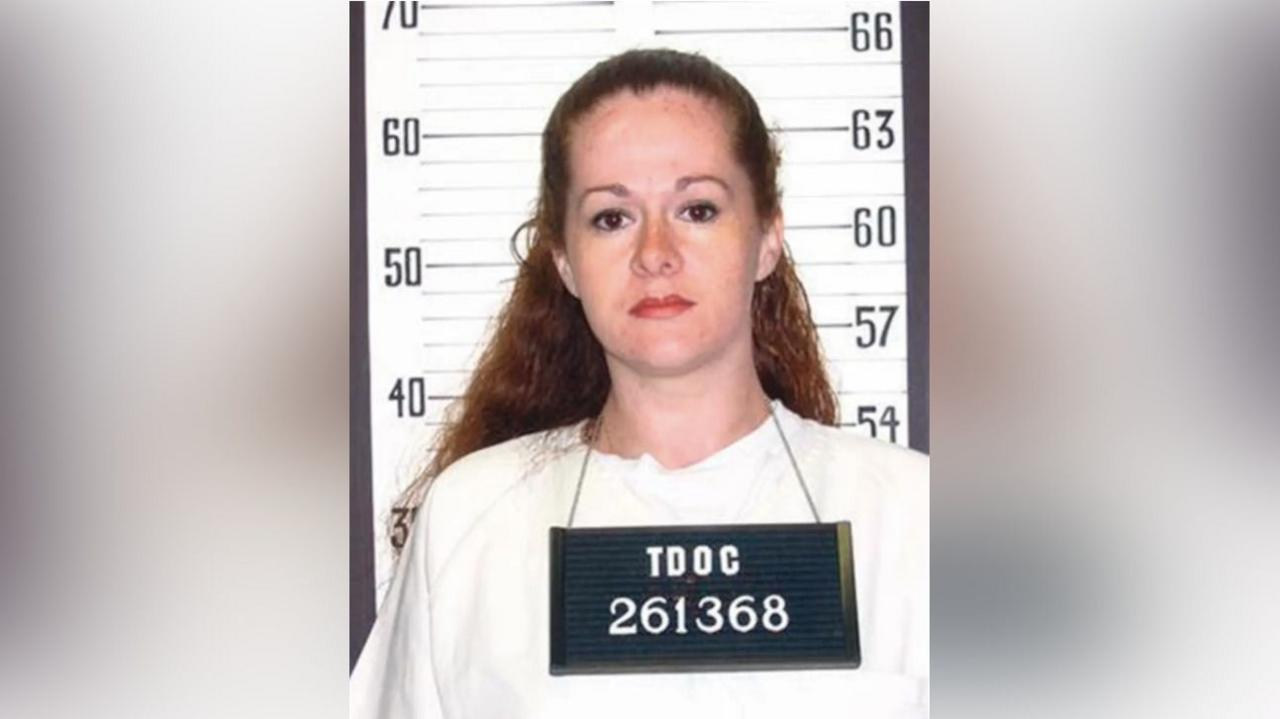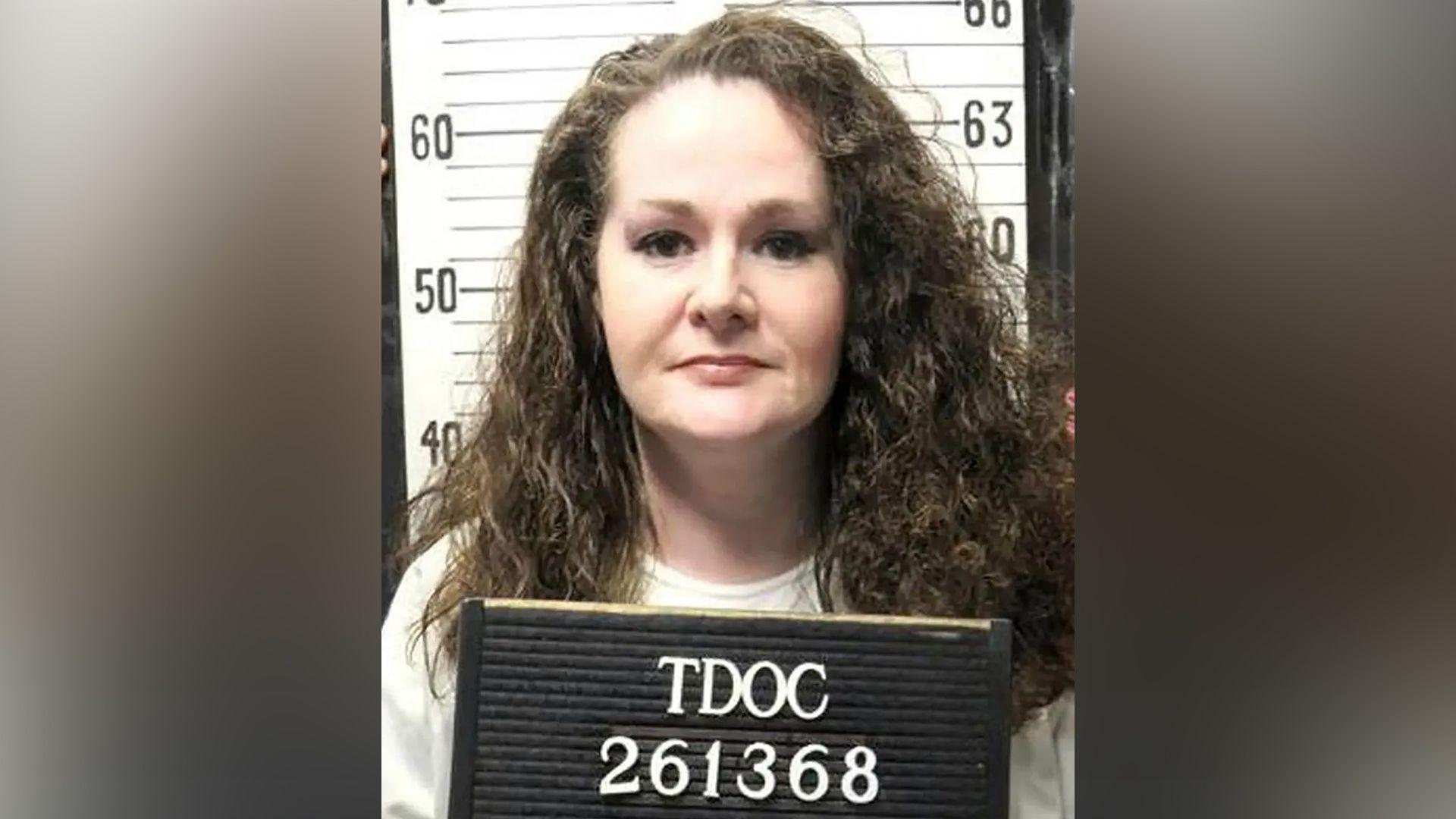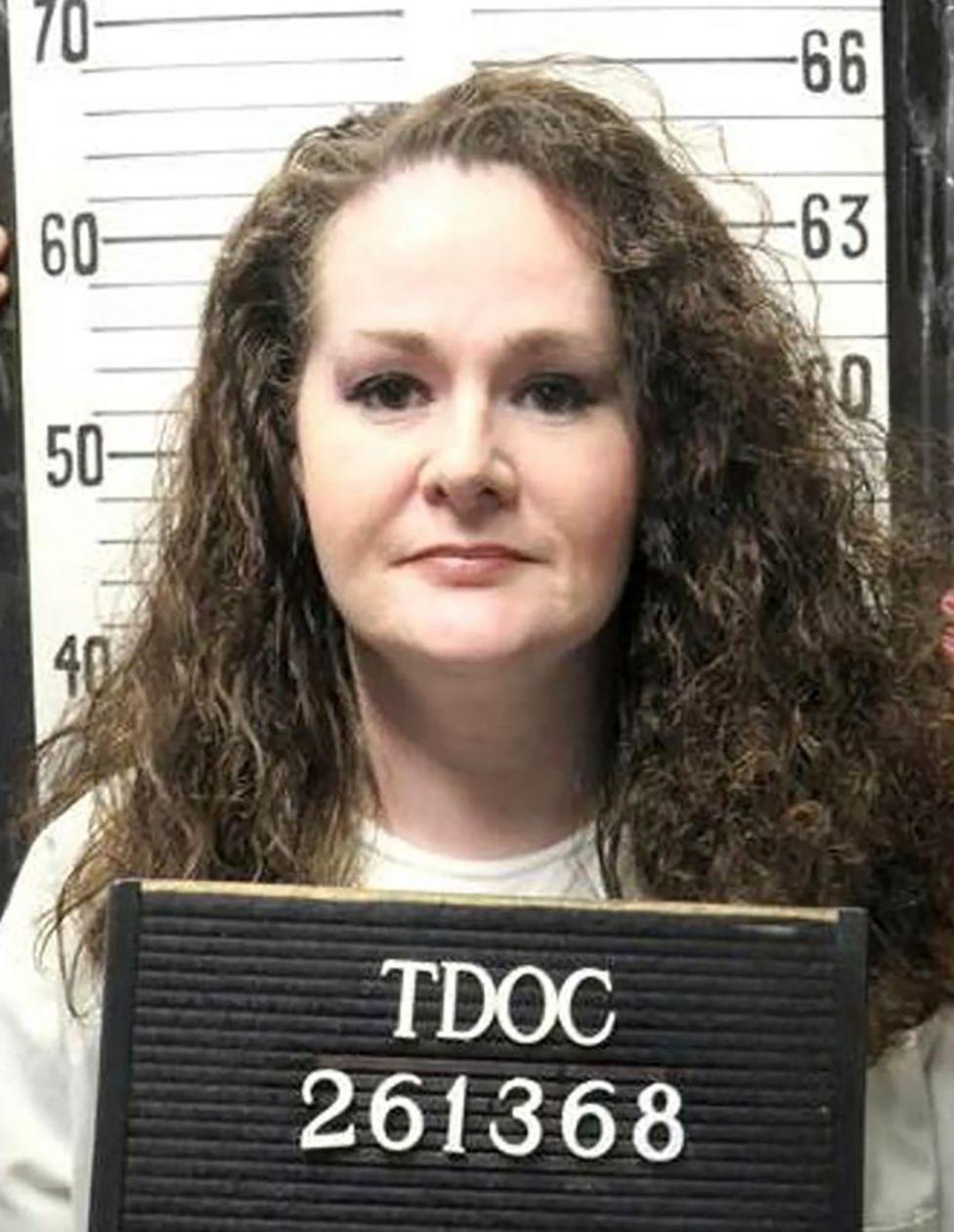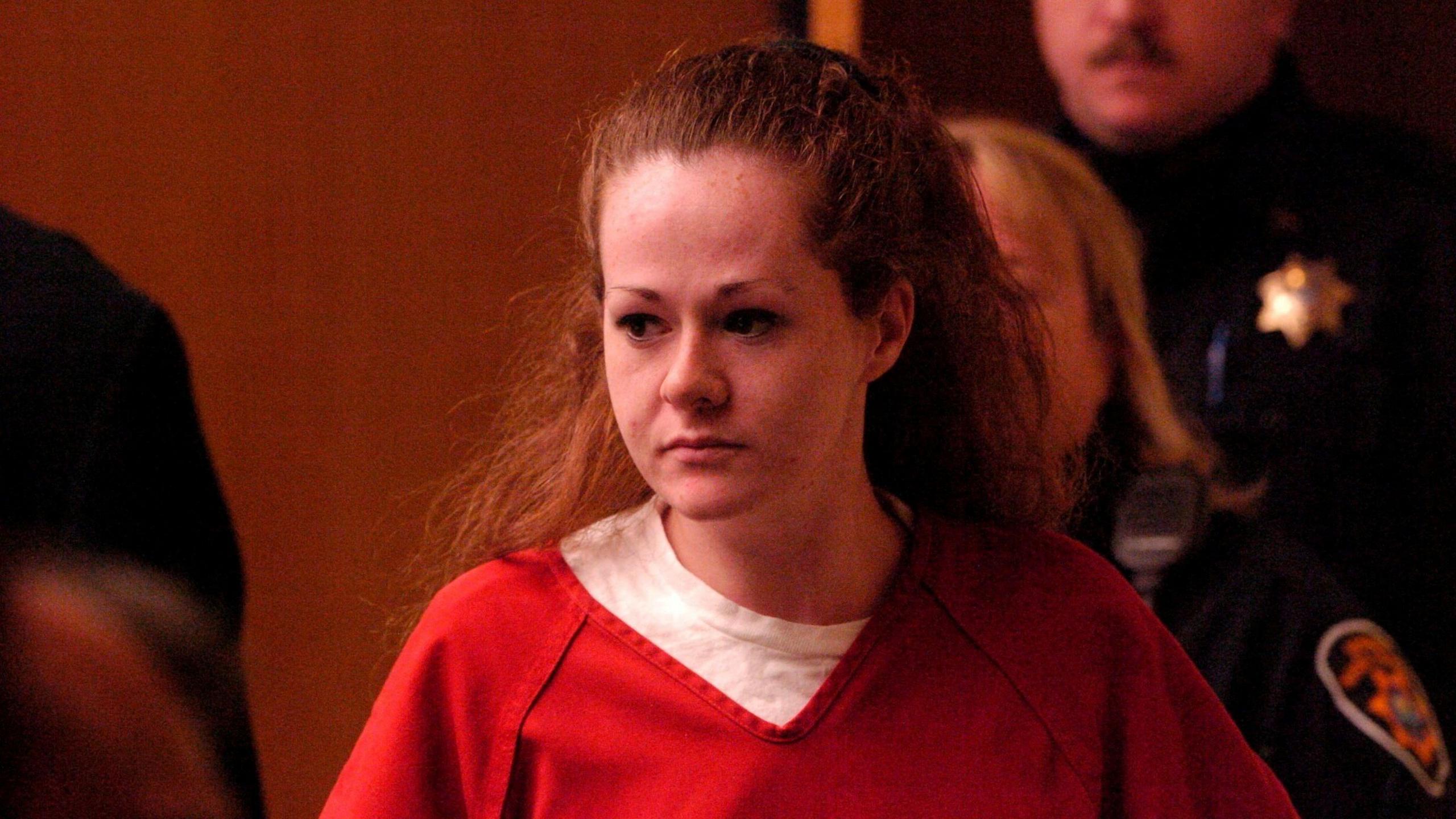
Christa Pike’s death row experience made headlines after a lethal injection failed to kill her, leaving the state of Tennessee in crisis.
The 50‑year‑old inmate received a first dose of pentobarbital, the barbiturate used in the state’s fatal injection protocol, and continued breathing for several minutes. A second dose was administered, yet the drugs did not take effect, and Pike remained awake and snoring.
Hi‑profile reporter Michael Graczyk, who has covered nearly 500 executions in Texas, told the BBC that he had seen needles pop out before re‑insertion in his career but had never witnessed a post‑injection survival. “It seems to me it was just a matter of time,” Graczyk said.
Tennessee’s protocol specifies a second set of syringes in case the first does not kill, but the law does not detail what must happen if the inmate is still alive after the second dose. In response to the failure, Governor Bill Lee halted all executions in the state and called for an independent review of the procedures.
Botched executions have become commonplace in the United States across the 27 states where capital punishment is still legal. The Death Penalty Information Center reports 64 botched cases since 1982, of which 51 were lethal‑injection failures. Tennessee’s incident is the first known case of a living inmate after two fatal injections, raising legal and ethical questions about the state's approach to the death penalty.