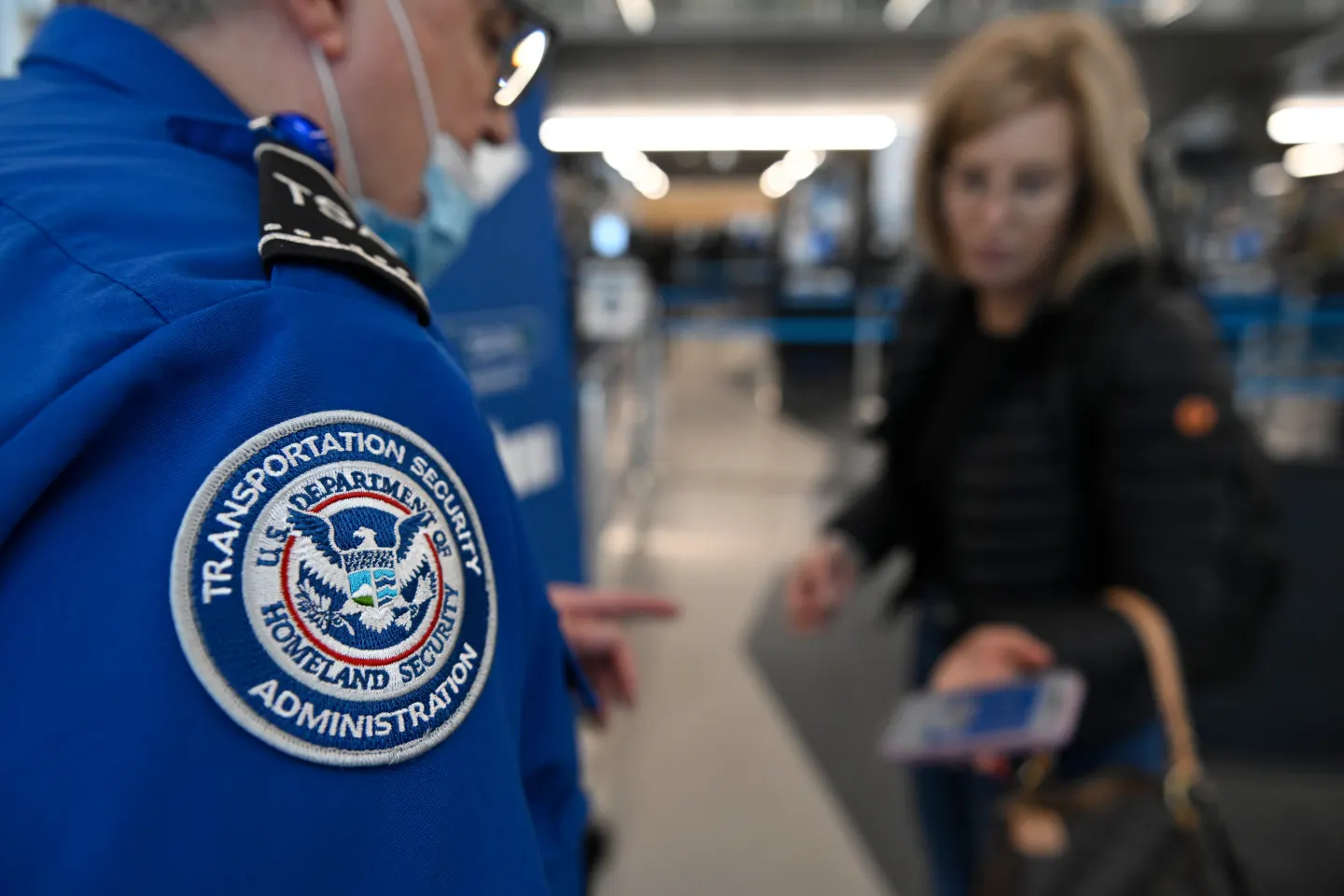
Issues at U.S. airports are likely to worsen beyond current long security lines and missed flights if Congress fails to secure funding for Transportation Security Administration (TSA) officers. Officials have signaled that staffing shortages could force the closure of smaller airports to passenger and commercial flights.
Transportation Secretary Sean Duffy and TSA leadership warned that without immediate funding solutions, more airport screeners may quit or fail to show up for work after they miss their second paycheck since February. Currently, TSA personnel are working without pay due to the funding lapse for the Department of Homeland Security that oversees the TSA.
Ha Nguyen McNeill, acting TSA administrator, noted, “This level of disruption is unprecedented,” referring to the significant absentee rates among TSA staff. She emphasized that based on the current staffing conditions, the agency may need to consolidate lanes and potentially close airports.
The union representing TSA officers confirmed that a list of around 75 airports has been prepared as potential candidates for closure to redirect officers to busier hubs facing lengthy security lines. This could include nearby small airports in addition to those with less traffic.
“The agency has to look at it as, ‘Wow man, at the end of the day, we still have to do essential work and protect the American people,’” stated Johnny Jones of the American Federation of Government Employees, emphasizing the impact of financial strain on TSA officers.
Recent statistics reveal that around 11% of officers missed scheduled shifts nationwide, with higher percentages observed at several airports. Unattended long lines and crowded terminal lobbies have become common sights in several major cities like Houston, New Orleans, and Atlanta.
The White House has hinted at the possibility of invoking a national emergency to fund TSA operations, although no concrete details have emerged. However, experts have raised concerns about the feasibility of this option.
Another significant question is how likely airport closures are given the circumstances. Experts indicate that delays in resolving funding could increase the probability of airport closings, a point underscored by aviation security researcher Sheldon Jacobson, who noted that political threats surrounding funds might be intended to urge congressional compromise.
In examining the potential impact, Jacobson highlighted that repercussions might reach beyond airport closures, posing threats to the interconnected national air traffic system and local economies dependent on air travel.
Should airport closures occur, experts agree that these changes could have far-reaching effects, disrupting both business and leisure travel while significantly impacting the economy of communities that rely on smaller airports.