In brief
Eric Swalwell and Tony Gonzales resigned from Congress amid sexual misconduct allegations, marking a critical moment in the ongoing battle against sexual harassment in politics. The decisions came after pressure from a bipartisan group of congresswomen and surfaced decades of concerns over abuse of power on Capitol Hill. Many lawmakers stress the need for more effective accountability measures to protect victims.
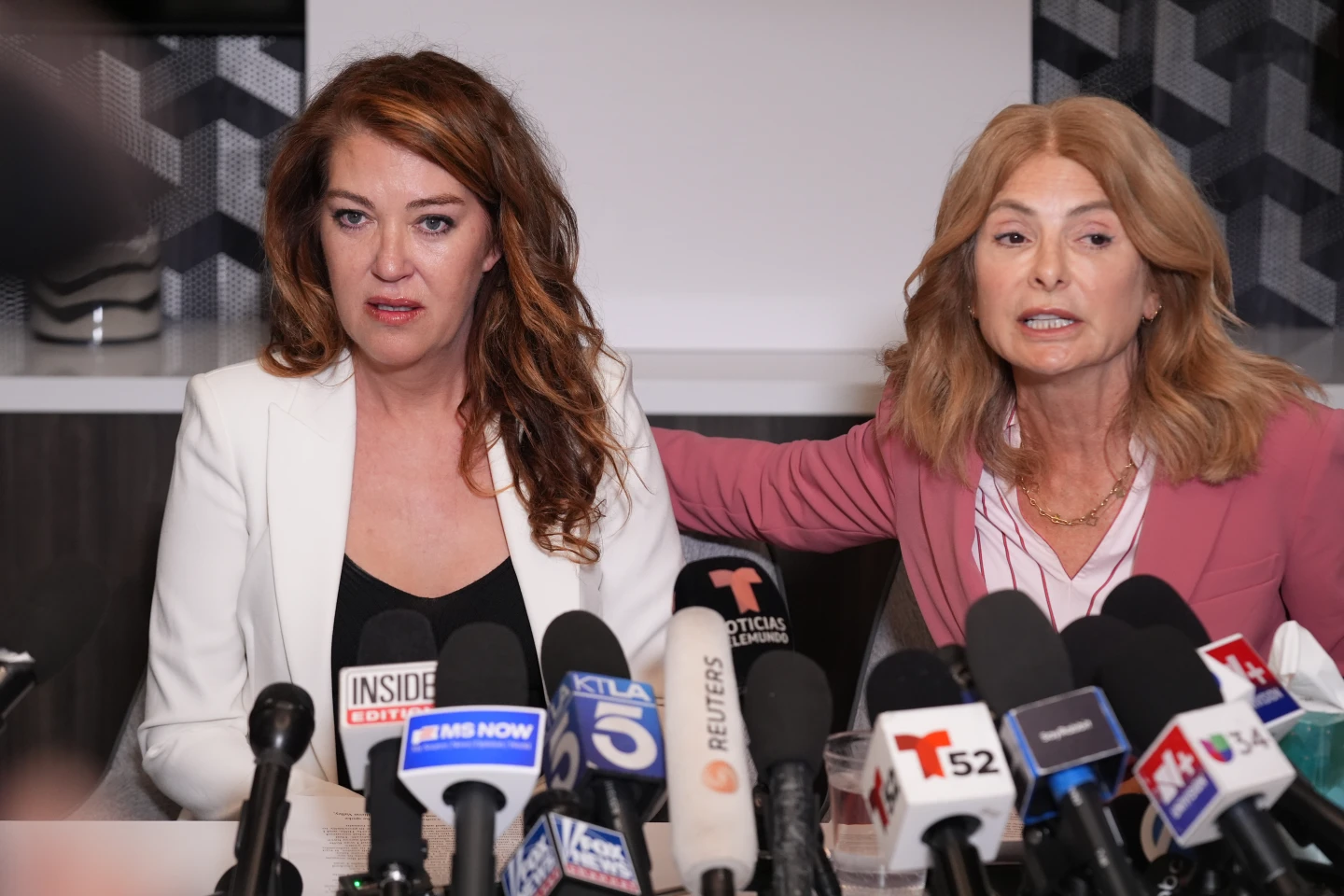
WASHINGTON (CIVITAS) — The political landscape in Washington has witnessed a sudden shakeup with the swift resignations of Rep. Eric Swalwell and Rep. Tony Gonzales, both accused of sexual misconduct by former staff members. Both representatives announced their departures shortly before the House reconvened, potentially to avoid expulsion battles orchestrated by their colleagues amid growing scrutiny over their behavior.
For many women working on Capitol Hill, this moment represents a ripple in the ongoing tide of accountability, a long-sought change that has been brewing for years, especially in the wake of the #MeToo movement. In response to the sworn statements from victims, Rep. Alexandria Ocasio-Cortez called it a "turning point" for Congress, emphasizing that abuse of power in any form should never be tolerated in the political sphere.
New allegations against Swalwell, dating back to previous years, have resurfaced, with more claims emerging from other women. Although Swalwell stoutly denies the accusations, he acknowledges previous misjudgments—a sentiment echoed by Gonzales, who has faced intense pressure to step down since admitting to a past affair. Rep. Teresa Leger Fernández reinforced the need for accountability, pledging to advocate for stronger mechanisms to prevent abuse.
Meanwhile, the House’s recent policy changes mandating annual training on harassment and the elimination of confidentiality agreements for settlements aim to create a safer environment for victims. Nonetheless, critics like former Rep. Jackie Speier lament that these reforms are insufficient, calling for stricter enforcement of rules prohibiting relationships between lawmakers and their staff.
The resignation of these members has further revealed a bipartisan coalition amongst women in Congress, who are uniting to demand change and ensure that accountability becomes a foundational pillar of public service. As further investigations unfold and scrutiny tightens, the demand for an environment free of harassment will likely become central to the ongoing dialogue around political ethics.