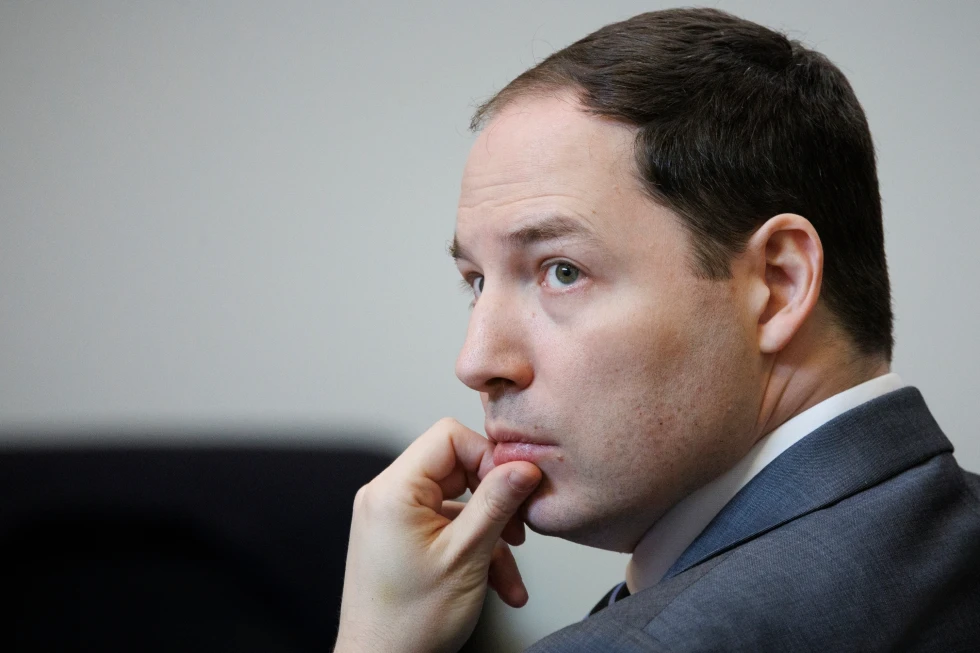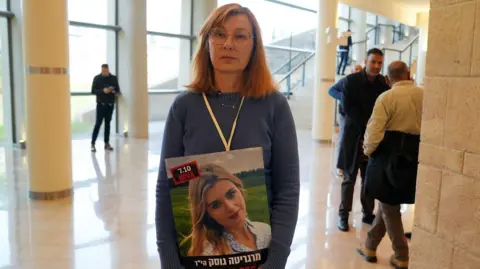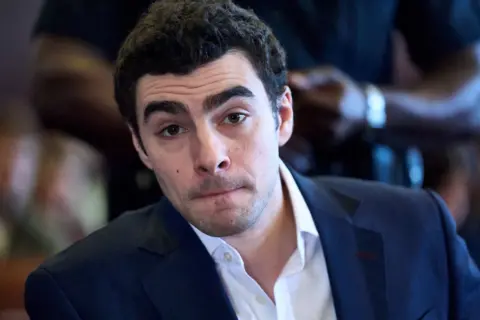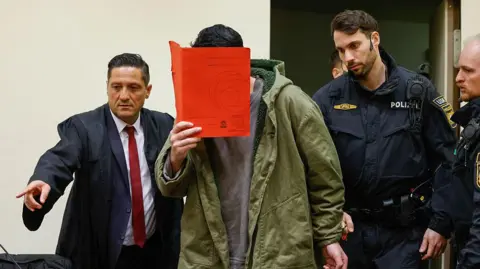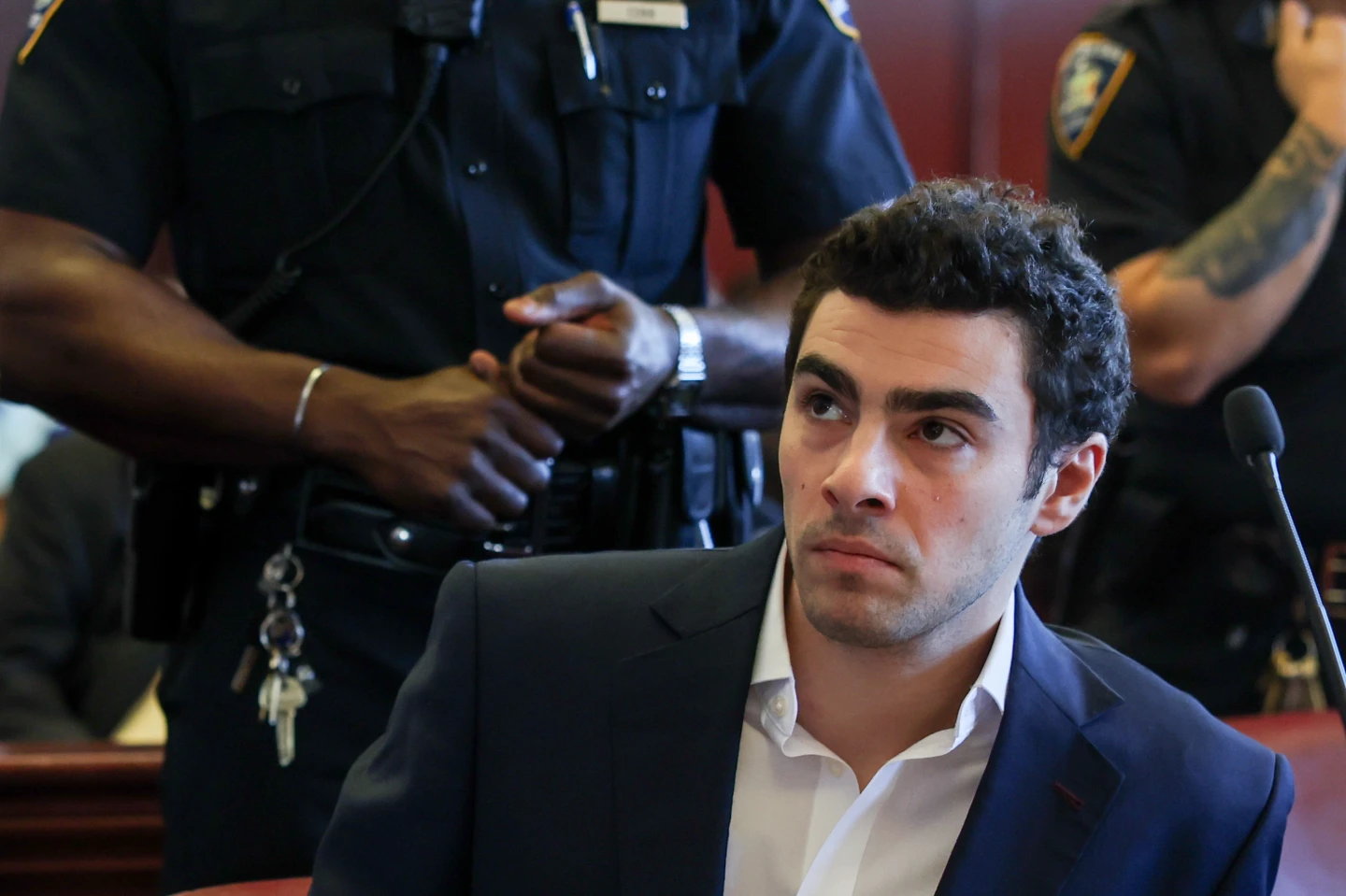
PROVO, Utah (AP) — The 22-year-old Utah man charged with killing Charlie Kirk made his first in-person court appearance Thursday as his attorneys push to limit media access in the high-profile criminal case.
A Utah judge is weighing the public’s right to know details in the prosecution of Tyler Robinson against his attorneys’ concerns that the media attention could interfere with his right to a fair trial.
Robinson’s legal team and the Utah County Sheriff’s Office have asked Judge Tony Graf to ban cameras in the courtroom.
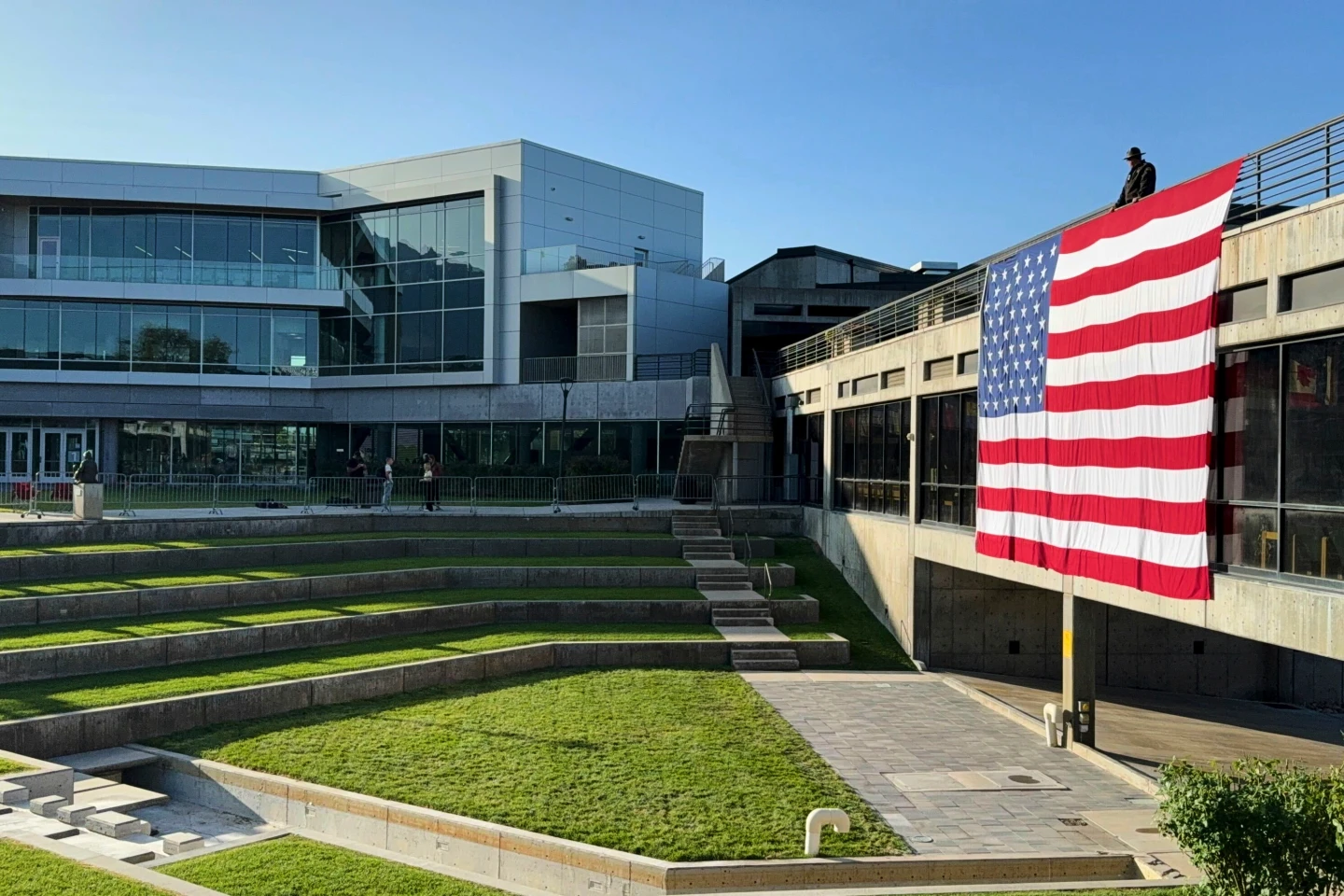
Prosecutors have charged Robinson with aggravated murder in the Sept. 10 shooting of Kirk on the Utah Valley University campus in Orem, just a few miles north of the Provo courthouse. They plan to seek the death penalty.
Robinson arrived in court with restraints on his wrists and ankles, wearing a dress shirt, tie, and slacks. He smiled at family members in the front row, where his mother teared up.
A coalition of national and local news organizations, including The Associated Press, is fighting to preserve media access to the case.
Judge Graf has made adjustments to protect Robinson’s presumption of innocence, noting the “extraordinary” public interest in the case. During a closed hearing on Oct. 24, discussions included Robinson’s courtroom attire and security measures. Following the ruling, he is now allowed to wear street clothes but must remain restrained for security purposes. Courtroom images of his restraints have been banned to avoid juror bias.
Michael Judd, attorney for the media coalition, has urged the judge to allow news organizations to respond to any requests for closed hearings. Judd argues that open courts are vital for public confidence in judicial proceedings and that the presence of the media can safeguard the integrity of the judicial process.
Erika Kirk, the widow of the victim, has called for full transparency, stating, “We deserve to have cameras in there.”
Robinson’s legal team asserts that the case has already received attention as far as the White House, with Trump commenting post-arrest.
Concerns about misinformation related to the case have also emerged, including digitally altered images circulating online. Attorney Kathy Nester has raised alarms about these inaccuracies, emphasizing their potential impact on public perception.