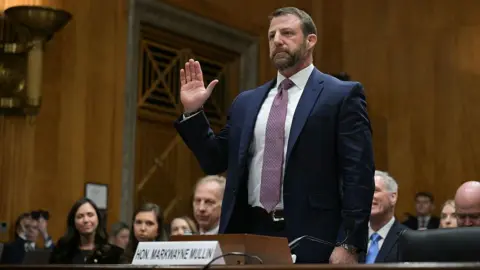
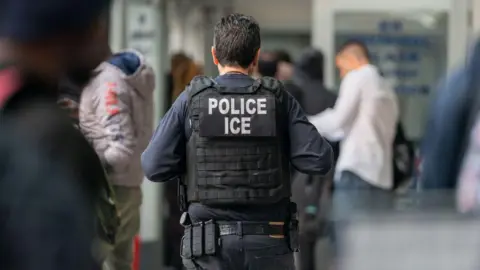
WASHINGTON (AP) — The Department of Homeland Security (DHS) has paused all new purchases of warehouses designated for housing immigrants as it takes a closer look at contracts made under former Secretary Kristi Noem, a senior DHS official revealed. This decision follows the recent inauguration of new Homeland Security Secretary Markwayne Mullin, and highlights the ongoing controversies linked to the Immigrations and Customs Enforcement (ICE) facilities initiated during the previous administration.
The official, who requested anonymity due to lack of press clearance, noted that not only are new warehouse acquisitions being put on hold, but previously completed purchases are also being examined. DHS has issued a statement confirming their review of agency policies and future proposals.
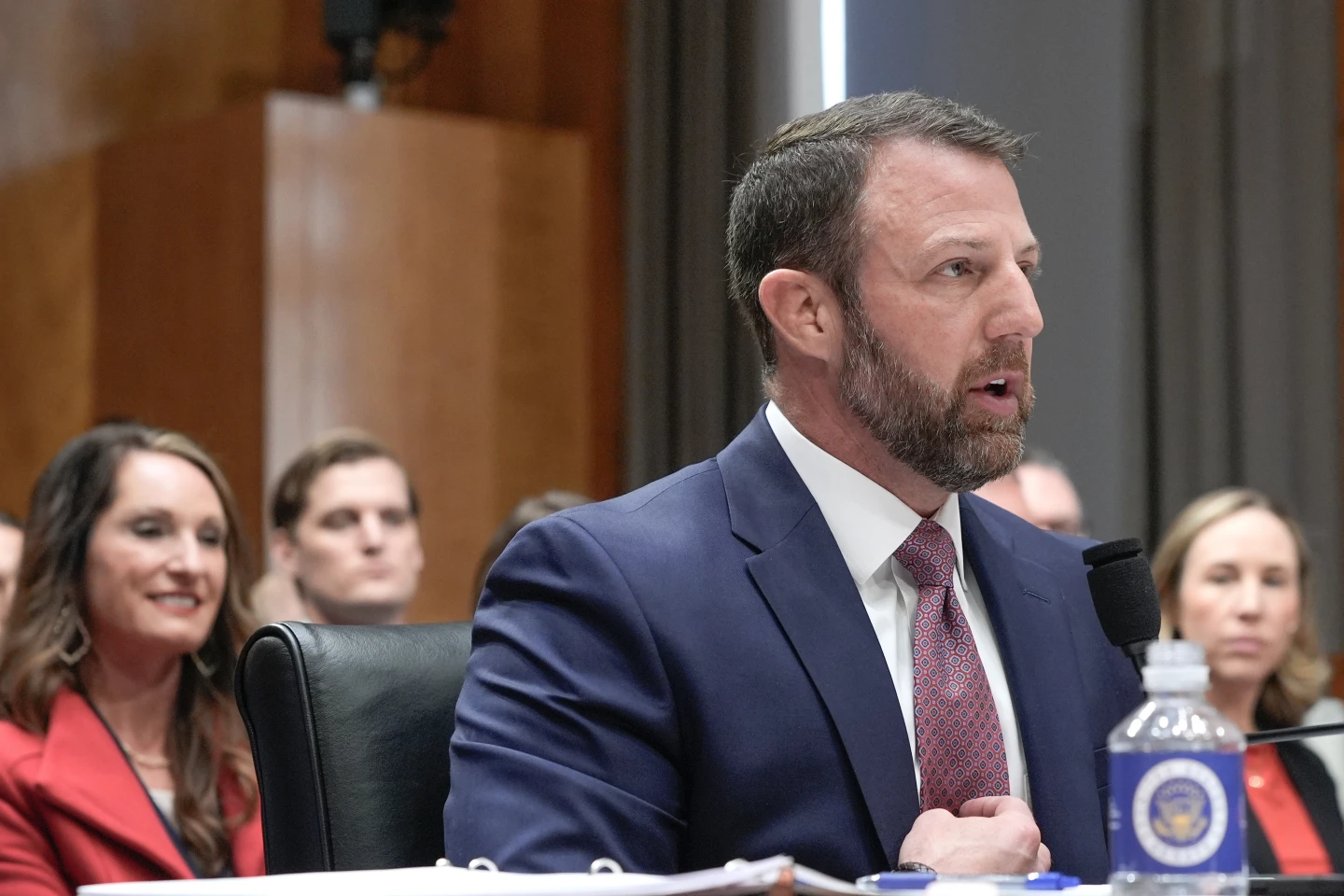
During his confirmation hearing, Mullin expressed a desire to collaborate with local leaders and to foster cooperative relationships with communities, acknowledging past challenges regarding transparency. The DHS has been tasked with managing a comprehensive $38.3 billion plan to expand immigration detention capacity, which aims to increase bed capacity to 92,000 through the acquisition of multiple large-scale facilities.
Despite the federal government's investment of over $1 billion in seven states, community opposition has significantly affected operations, with lawsuits in progress in three locations. Notably, the proposed facility in Surprise, Arizona, had its capacity reduced from 1,500 beds to 542 due to local concerns about infrastructure strain.
Concerns have continually arisen regarding the moral implications of ICE facilities, the possible depletion of local resources, and questions of consent, as many municipal leaders claim they were unaware of ICE's plans until after property acquisitions were finalized. Reassessing the future of these warehouses appears crucial as local leaders and DHS seek to find a balance between enforcement and community engagement.
Ultimately, Mullin’s approach emphasizes the importance of aligning federal plans with local community capacities for water, sewer, and other essential services, ensuring a more transparent process for future actions.